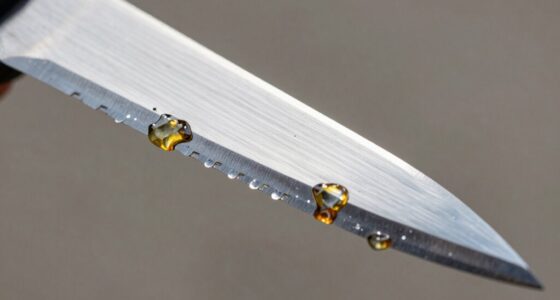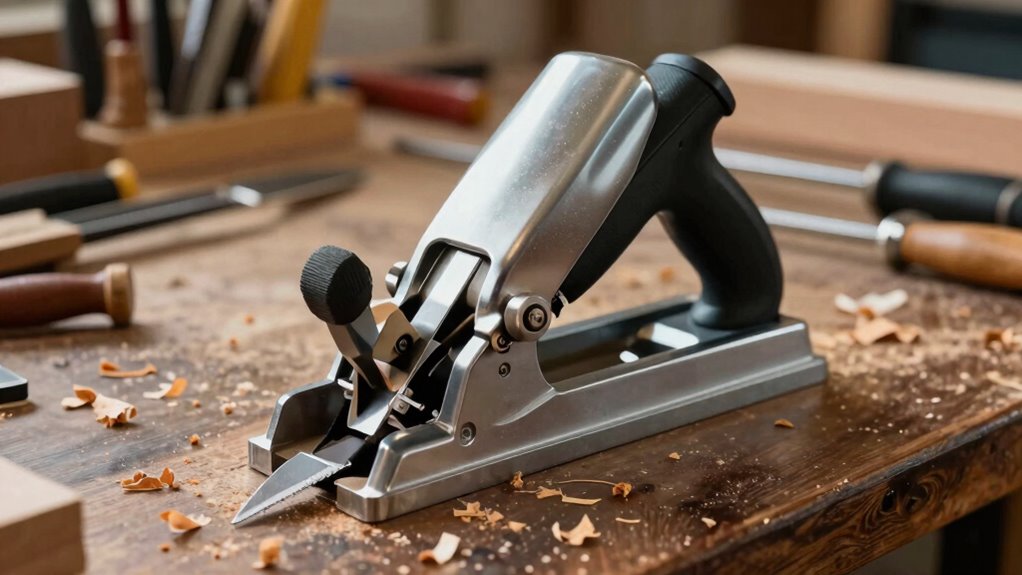
Knife maintenance in benchtop planers is essential for ensuring smooth cuts and high-quality finishes. You’ll need to check your blades regularly for dullness and nicks, especially after working with tough woods. A sharp knife reduces strain on the machine, speeding up your projects and making them more enjoyable. By tailoring your sharpening frequency to the wood type, you can maximize efficiency. Want to boost your woodworking skills further? There’s more to discover about effective maintenance practices.

Get business pricing on tools and workshop supplies
- Business-only prices and quantity discounts
- Tax-exempt purchasing
- Multiple users, one account, clear invoices
Key Takeaways
- Regular inspection of knives is vital to identify nicks and dullness, ensuring optimal performance in benchtop planers.
- Sharpening frequency should be adjusted based on wood type, with harder materials requiring more frequent maintenance.
- Consistent knife maintenance enhances cutting efficiency, leading to smoother finishes and reduced project time.
- Dull blades compromise work quality, resulting in splintered edges and additional sanding efforts.
- Using sharp knives not only improves outcomes but also enhances the overall woodworking experience with benchtop planers.

Maintaining the knives in your benchtop planer is crucial for achieving smooth, precise cuts. When those blades lose their sharpness, you’ll notice a drop in cutting efficiency, leading to rough surfaces and increased strain on your machine. This not only affects the quality of your work but can also lead to more notable issues down the line. Keeping your knives sharp guarantees that every pass through the planer is effective, reducing the number of passes you need to make and saving you valuable time.
Regular maintenance of your planer knives means checking for nicks or dullness frequently. You might think that a slight dullness isn’t a big deal, but it can greatly impact your projects. Dull blades tend to tear the wood fibers instead of cutting them cleanly, resulting in splintered edges. This compromises the finish of your workpiece and often requires additional sanding to correct, which can be a hassle. By staying on top of blade sharpness, you’ll achieve cleaner cuts, making your finished projects look polished and professional.
Regularly checking your planer knives ensures clean cuts and prevents splintering, saving you time and enhancing your project’s finish.
If you’re uncertain how to maintain your knives, start by learning the signs of wear. A good rule of thumb is to inspect them after every few uses, especially if you’re working with tougher woods. If you notice any signs of damage, it’s time to either sharpen or replace them. Sharpening can be done with specialized tools or by taking them to a professional, depending on your comfort level. When you keep your knives in prime shape, you’re not just boosting their longevity; you’re also enhancing the overall performance of your benchtop planer.
Additionally, consider how often you use your planer. If you work with hardwoods or dense materials, you might need to sharpen the blades more frequently than someone who primarily works with softer woods. Keeping a consistent maintenance schedule tailored to your usage will help you maintain maximum cutting efficiency.
Ultimately, a little attention to your planer knives goes a long way. You’ll notice the difference in the quality of your cuts, the time saved on each project, and the overall enjoyment of using your planer. When your knives are sharp and well-maintained, you’ll find that woodworking can be a more satisfying and productive experience. So make knife maintenance a priority; your projects will thank you for it!
benchtop planer knife sharpening kit
As an affiliate, we earn on qualifying purchases.
As an affiliate, we earn on qualifying purchases.
Frequently Asked Questions
How Often Should I Replace Knives in My Planer?
You should replace the knives in your planer every 20 to 50 hours of use, depending on the type of wood and the knife longevity. Keeping an eye on their performance is key—if you notice tear-out or rough finishes, it’s time to change them out. Regular maintenance frequency not only extends the life of your knives but also guarantees a smoother, more efficient cut, enhancing your overall woodworking experience.
Can I Sharpen Knives Myself or Hire a Professional?
You can definitely sharpen knives yourself or hire a professional! Imagine your blades gliding through wood like a hot knife through butter. If you’re handy, explore some sharpening techniques and give it a go—just grab the right tools. But if you prefer perfection, professional services can transform your dull knives into precision instruments. Weigh your skills and time against the cost, then choose the path that suits you best!
What Materials Are Best for Planer Knives?
The best materials for planer knives are high-speed steel (HSS) and carbide. HSS offers good durability and sharpness, making it a popular choice. Carbide, while more expensive, provides excellent edge retention and durability, ideal for heavy use. You should also consider blade coatings, like titanium or chromium, which enhance wear resistance and reduce friction. Choosing the right knife materials and coatings can greatly improve your planer’s performance and longevity.
How Do I Know When My Knives Are Dull?
You’ll know your knives are dull when you notice several knife performance indicators. Look for signs of dullness like tear-out or rough edges on your workpiece, increased effort required to feed the wood, and noticeable burning or discoloration. If you hear a chattering sound during operation or see a lack of a clean finish, it’s time to sharpen or replace your knives. Maintaining sharp blades guarantees smooth and efficient cuts.
Are There Specific Brands of Knives Recommended for My Planer?
Yes, there are specific brands of knives you should consider for your planer. Popular options include Freud, Dewalt, and Ryobi, each offering durable knife types that suit various needs. When comparing brands, look for features like steel quality and coating that enhance longevity and performance. It’s also wise to check reviews and user feedback to see how well they hold up during use, ensuring you make the best choice for your projects.
Conclusion
Maintaining the knives in your benchtop planer might seem tedious, but it’s a game changer. Just like how you wouldn’t drive a car with dull tires, you wouldn’t want to work with dull knives. Coincidentally, a little upkeep can lead to smoother cuts and better finishes, making your projects shine. So, next time you’re in your workshop, take a moment to check those blades—you’ll be surprised how much it can enhance your woodworking experience!
Fall Picks
fall essentials
As an affiliate, we earn on qualifying purchases.