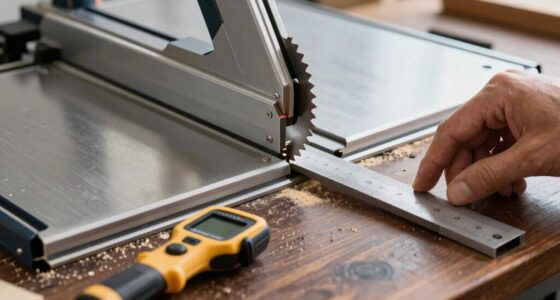
Resin buildup slowly wrecks your cut quality by forming deposits on your tools, which you might not instantly notice. Over time, these deposits cause roughness, uneven edges, and a loss of precision. Since resin sticks more to hot or high-friction areas, it gradually deteriorates performance without obvious signs. Neglecting regular cleaning allows stubborn deposits to develop, making it harder to maintain smooth cuts. Keep going, and you’ll discover how to prevent this hidden issue before it costs you more.
Key Takeaways
- Resin buildup gradually thickens on tools, subtly increasing friction and causing uneven, rough cuts without immediate noticeable effects.
- Accumulated resin acts as a hidden barrier, reducing sharpness and precision over time, leading to silent degradation in cut quality.
- Resin deposits interfere with proper tool-material contact, causing inconsistencies that worsen gradually and go unnoticed during routine inspections.
- Without regular cleaning, resin slowly accumulates, silently impairing tool performance and resulting in compromised cut smoothness.
- The insidious nature of resin buildup makes its impact on cut quality less obvious, allowing quality decline to go unnoticed until significant damage occurs.
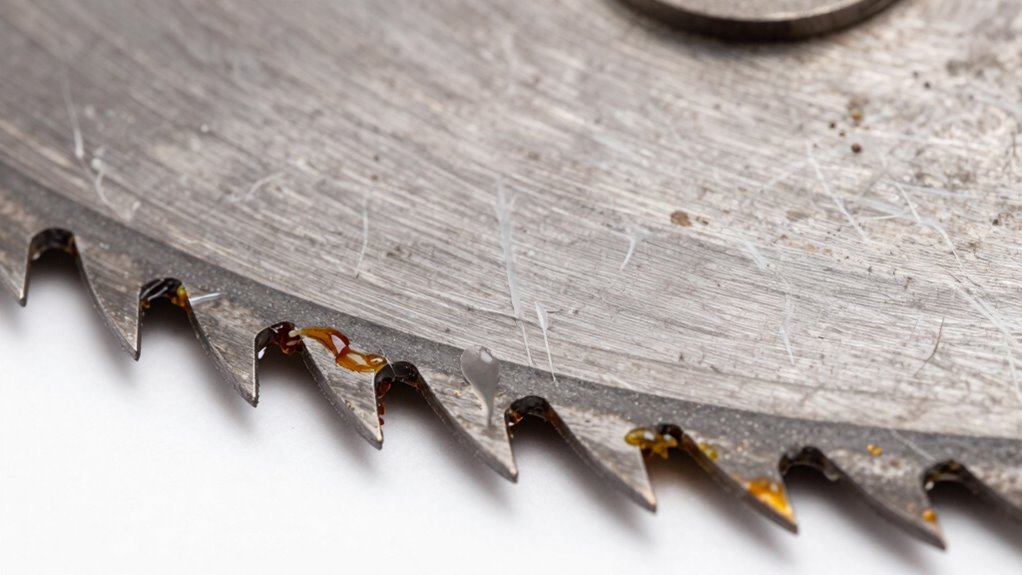
If you notice your cuts becoming rough or uneven, resin buildup might be the culprit. Over time, resin deposits can form on your cutting tools, subtly degrading their performance without immediate visible signs. This buildup can cause your cuts to lose precision, making them rough or irregular. To prevent this, you need to pay close attention to maintenance scheduling. Regularly inspecting and cleaning your tools prevents resin from accumulating to problematic levels. Incorporating routine maintenance into your workflow ensures that you’re not caught off guard when quality drops unexpectedly. When you neglect proper maintenance scheduling, resin deposits can become stubborn, harder to remove, and more likely to influence your cut quality negatively. Understanding how different tool materials interact with resin can help you choose options that resist buildup and maintain optimal performance. Additionally, being aware of resin accumulation factors can help you develop more effective cleaning routines tailored to your specific tools. Knowing how resin adheres to different surfaces allows for more targeted cleaning methods that can extend the lifespan of your tools. Recognizing common resin sources in your workspace can also help you prevent excessive buildup and maintain cutting efficiency. Developing an understanding of resin’s behavior under different conditions can further aid in preventing unwanted deposits and ensuring your tools stay in top shape. Understanding how resin accumulates helps you plan your maintenance schedule more effectively. Resin tends to stick to hot surfaces or areas with high friction, so frequent cleaning becomes crucial—especially when working with materials that produce more resin. By incorporating cleaning routines into your regular maintenance schedule, you prevent stubborn deposits from forming. This proactive approach saves time and effort in the long run, ensuring your tools stay sharp and efficient. Additionally, choosing the right tool material can make cleaning easier, as some materials are more resistant to resin adhesion and easier to wipe clean, even after prolonged use.
resin buildup remover for cutting tools
As an affiliate, we earn on qualifying purchases.
As an affiliate, we earn on qualifying purchases.
Frequently Asked Questions
How Can I Detect Resin Buildup Early?
You can detect resin buildup early by regularly inspecting your tool using simple detection methods like visual checks for residue or dullness. Incorporate cleaning techniques such as wiping or brushing to spot any blockages or discoloration. Pay attention to signs like increased cutting force or rough cuts, which indicate buildup. Consistent maintenance and awareness of these detection methods help you catch resin accumulation before it impacts your cut quality.
Does Resin Buildup Affect Different Materials Equally?
Resin buildup doesn’t treat all materials equally; some are more sensitive to surface adhesion issues. You might notice softer materials or those with porous surfaces showing more noticeable effects, while harder or non-porous materials resist it better. This variation happens because of different material sensitivities to surface adhesion. So, keep an eye on those delicate surfaces, as they’re more prone to subtle resin effects that can compromise your cut quality over time.
What Tools Are Best for Removing Resin Buildup?
You should use wear-resistant tools like scrapers or carbide cutters to remove resin buildup effectively. Pair these with cleaning solvents designed for resin, such as specialized degreasers or acetone, to loosen and dissolve the residue. Always wear safety gear and work carefully to avoid damaging your equipment. Using the right tools and solvents guarantees a thorough clean, restoring your cut quality without harming the material or equipment.
How Often Should I Clean to Prevent Resin Buildup?
You should clean your tools regularly—at least once a week—to dodge resin buildup disasters. Stick to a strict maintenance routine, or you’ll find your cuts turning into slow-motion nightmares. Skipping this step isn’t just laziness; it’s sabotage. A consistent cleaning schedule keeps resin from sneaking in and wrecking your precision. Trust me, your future self will thank you for avoiding the mess and frustration.
Can Resin Buildup Cause Long-Term Equipment Damage?
Yes, resin buildup can cause long-term equipment damage. Over time, the resin’s composition can corrode or clog equipment materials, especially if you don’t clean regularly. As resin accumulates, it puts extra strain on moving parts and can lead to premature wear or failure. To protect your equipment, regularly remove resin deposits and monitor for signs of buildup, ensuring the longevity of your tools and consistent performance.
Conclusion
If you ignore resin buildup, you’re fundamentally inviting a silent assassin into your workshop—slowly sabotaging your cuts without you even noticing. Regular cleaning isn’t just a chore; it’s your best defense against deteriorating precision and wasted material. Think of resin as the sneaky villain in your woodworking story—stopping it keeps your cuts sharp, your tools happy, and your projects flawless. Don’t let resin secretly destroy your craftsmanship—stay vigilant, clean often, and cut with confidence.