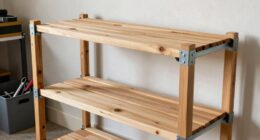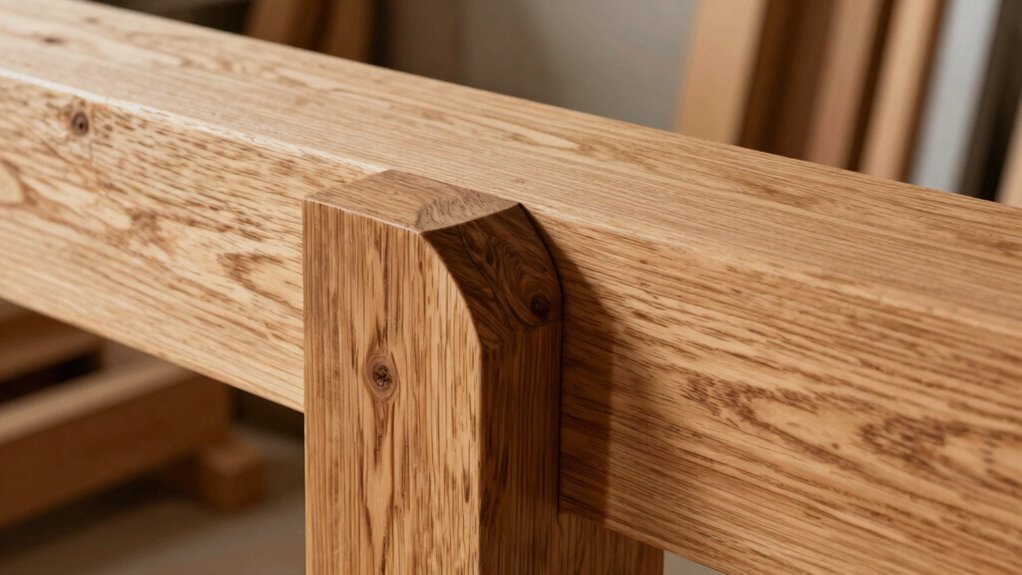

To prevent cracking in summer builds, you should leave expansion gaps during assembly. Wood expands with moisture and heat, especially in warmer months, so allowing space for movement helps avoid warping or splitting. Use proper fasteners and joinery that accommodate this natural behavior. Planning for maximum expansion based on your climate guarantees your project stays stable. Keep these principles in mind, and you’ll build more durable, crack-free structures—if you keep exploring these strategies, you’ll gain even better insights.

Get tools and workshop supplies delivered free — and shop member deals
- Fast, free delivery on millions of items
- Access to Prime Big Deal Days deals on October 6–7
- Prime Video, Amazon Music and more included
Key Takeaways
- Allow expansion gaps during construction to accommodate seasonal wood movement and prevent cracking.
- Design joints and fasteners that permit wood to expand and contract naturally.
- Monitor moisture content to ensure wood remains within stable levels, reducing movement risks.
- Anticipate maximum expansion based on climate and wood type for proper planning.
- Incorporate flexible materials or allowances in design to accommodate seasonal fluctuations.
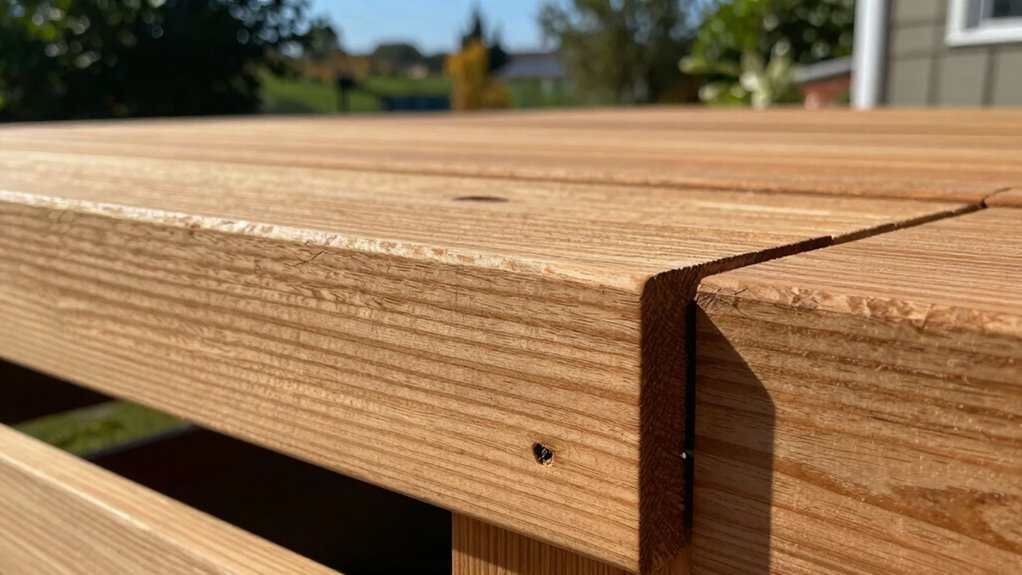
Have you ever noticed gaps or cracks in wooden furniture or floors? These imperfections often result from the natural movement of wood as it reacts to changes in its environment. Wood is a living material that constantly responds to fluctuations in moisture content and temperature. When the air is humid, the moisture content of the wood increases, causing it to expand. Conversely, during dry periods, the moisture content decreases, leading the wood to contract. This seasonal expansion and contraction are normal, but if not properly managed, they can cause cracks, warping, or other structural issues in your builds.
Understanding the wood movement rule is vital to preventing damage, especially in summer when humidity tends to rise. During this season, wood absorbs more moisture from the air, leading to seasonal expansion. If your construction or furniture isn’t designed with this movement in mind, the expanding wood can push against fixed joints or tight spaces, resulting in cracks or splits. That’s why accounting for seasonal expansion is important to make sure your projects hold up over time. When you’re building structures that will be exposed to varying weather conditions, you need to think about how much the wood might move and plan accordingly. Recognizing the seasonal expansion and contraction of wood helps you design for its natural behavior and avoid long-term damage. It’s essential to understand the moisture content of your wood and how it influences movement to make informed decisions. Monitoring the moisture levels in your materials can help you anticipate how much movement to expect and plan your construction accordingly. Additionally, understanding the fiber saturation point of wood is crucial, as it marks the moisture threshold at which wood transitions from being capable of swelling to being stable.
One way to manage this is by leaving adequate gaps or allowances during assembly, giving the wood room to expand without causing damage. For example, when installing flooring, leaving expansion gaps around the perimeter allows the boards to swell during humid months without buckling. Similarly, in furniture making, allowing for movement prevents stress buildup that could lead to cracks. The key is to anticipate the maximum amount of expansion and contraction based on the local climate and the specific type of wood you’re working with. Different woods have different rates of moisture absorption, so knowing your material helps you make smarter decisions. Additionally, using appropriate fasteners and joinery techniques can help accommodate this movement and extend the longevity of your projects.
As an affiliate, we earn on qualifying purchases.
Frequently Asked Questions
How Does Humidity Affect Wood Movement During Summer Builds?
Higher humidity levels during summer increase the moisture content in wood, causing it to expand. As the moisture content rises, the wood swells, which can lead to cracking if not properly managed. You need to account for this movement by allowing extra space or using appropriate techniques. Keeping humidity levels stable helps control wood movement, ensuring your summer builds stay intact and free from cracks caused by excessive expansion.
Are Certain Wood Types More Prone to Cracking From Movement?
Think of wood like a ship steering through changing seas. Softwoods with lower density and irregular grain orientation are more prone to cracking, much like a vessel vulnerable to rough waters. Hardwoods with dense, straight grain resist movement better, staying steady amidst humidity swings. So, when choosing your wood, consider density and grain orientation—these factors determine how likely your project is to crack under summer’s seasonal stresses.
Can Climate Change Impact Wood Movement Rules?
Climate change, driven by urban heat effects and changing forest management practices, can definitely impact wood movement rules. As temperatures rise and humidity fluctuates, wood expands and contracts differently, making traditional rules less reliable. You need to stay updated on these shifts, adjusting your building techniques accordingly. Urban heat effects intensify temperature swings, while forest management influences wood moisture levels, both requiring you to reconsider how you manage wood’s natural movement for durability.
What Tools Assist in Managing Wood Expansion and Contraction?
You can manage wood expansion and contraction effectively with tools like clamps and moisture meters. Using wood stabilization techniques, such as applying a quality sealant, helps control moisture levels and minimize movement. Regularly monitor humidity with a hygrometer and adjust your environment accordingly. These tools and methods work together to protect your projects from cracking caused by wood’s natural expansion and contraction, ensuring durability and stability over time.
How Often Should Wood Movement Be Checked During Construction?
You should check wood movement regularly, especially during seasonal adjustments, to prevent surprises. Ironically, the more you monitor, the less you worry about cracks later. Every few weeks during rapid temperature changes, inspect for signs of wood expansion or contraction. This proactive approach helps you catch issues early, ensuring your summer build stays intact and beautiful despite the inevitable seasonal shifts in wood movement.
Conclusion
Think of your summer build as a ship sailing through changing seas. By respecting the wood movement rule, you’re giving your project a sturdy anchor against the shifting tides of moisture and temperature. This simple guideline acts like a loyal crew, steering your creation clear of cracks and warps. Embrace this rule, and your masterpiece will weather the seasons with grace, standing strong as a vessel that’s well-prepared for whatever storms come its way.
Fall yard work Picks
leaf blowers
As an affiliate, we earn on qualifying purchases.