
The biggest mistake you might make with glue timing is rushing the curing process. Many beginners think quick application and drying save time, but that often weakens the bond and risks project failure. Proper curing is a chemical process that needs patience, with factors like temperature and humidity affecting it. If you try to speed things up, the glue won’t reach full strength. Keep going, and you’ll discover how to get the strongest, most durable results.

Get tools and workshop supplies delivered free — and shop member deals
- Fast, free delivery on millions of items
- Access to Prime Big Deal Days deals on October 6–7
- Prime Video, Amazon Music and more included
Key Takeaways
- Rushing the glue application and curing process weakens the bond and risks project failure.
- Proper curing time is essential for maximum strength; rushing prevents full adhesive development.
- Inadequate surface preparation and uneven glue application compromise adhesion quality.
- Environmental factors like temperature and humidity can affect curing time and bond durability.
- Handling or stressing the project before full cure can weaken or break the bond.
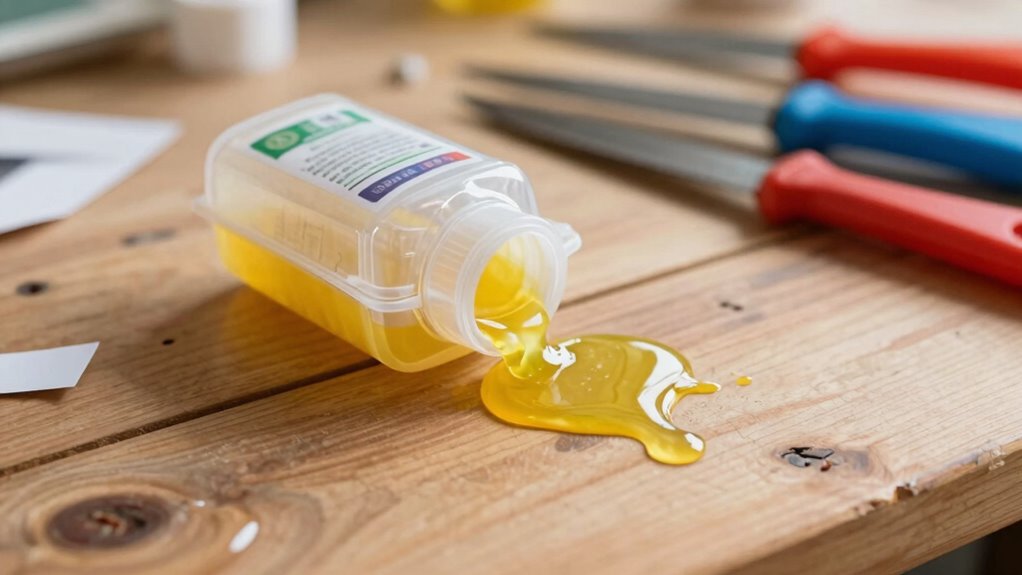
When it comes to using glue, many beginners make the mistake of rushing the timing, which can ruin their entire project. They often assume that applying glue quickly and forcing things to dry faster will save time, but this approach usually backfires. The key to a successful glue job is understanding the concept of adhesive curing. Curing isn’t just about drying; it’s a chemical process that takes time to reach maximum strength. If you don’t give the adhesive enough time to cure properly, your project can fall apart or become weak over time. Rushing the process can leave you with a fragile bond that’s easily broken, no matter how much glue you think you’re saving by hurriedly assembling parts. Many beginners also overlook the importance of adhesive curing, which is crucial for a durable and lasting bond. Additionally, improper curing can lead to weak joints that compromise the integrity of your entire project.
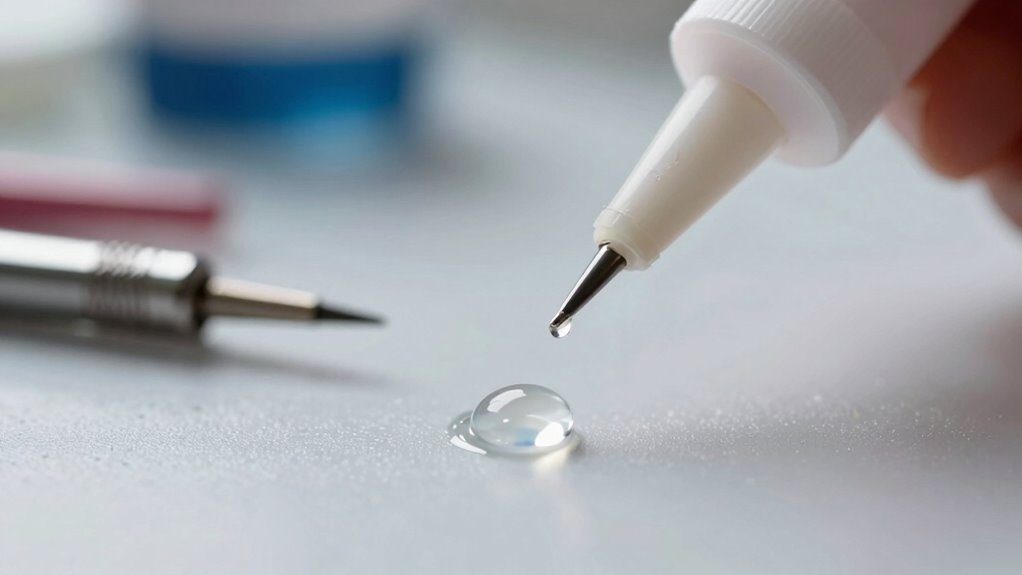
Another common mistake is neglecting proper application techniques. When you rush, you might apply too much glue, too little, or unevenly spread it. This can cause uneven curing, gaps, or excess squeeze-out that messes up your work. To avoid this, you should focus on applying a thin, even layer of glue—enough to bond the surfaces without excess that will squeeze out and create a mess. Using the right tools, like a small brush or a nozzle, can help you control the application and ensure consistency. Taking your time with application not only improves adhesion but also helps you prevent waste and cleanup issues later. Proper surface preparation, such as cleaning and roughening surfaces, also contributes significantly to a stronger, more reliable bond.
Understanding the right amount of time needed for adhesive curing is essential. Many beginners underestimate how long it takes for glue to reach full strength. Instead of rushing, check the manufacturer’s instructions for curing times, which can range from a few minutes to several hours or even overnight, depending on the glue type. Patience is imperative here; rushing the curing process means your bond isn’t at its strongest. It’s also beneficial to consider environmental conditions like temperature and humidity, which can impact curing times. If you’re unsure, give your project extra time to cure fully before handling or applying stress. This simple step can make a significant difference in the durability of your finished piece. Following recommended curing durations ensures that your project maintains its integrity and longevity over time.
wood glue with curing time instructions
As an affiliate, we earn on qualifying purchases.
As an affiliate, we earn on qualifying purchases.
Frequently Asked Questions
How Do I Know When the Glue Is Ready to Bond?
You’ll know the glue is ready to bond when it’s tacky but not completely dry. Before applying, make certain you’ve properly prepared the surface—clean, dry, and free of dust or oils. Follow safety precautions by working in a well-ventilated area and wearing gloves. Typically, the glue will change texture, becoming slightly sticky to the touch, signaling it’s the right time to press the parts together for a strong bond.
What Types of Glue Are Best for Beginners?
For beginners, the best types of adhesives are those that are easy to work with and forgiving. Look for beginner-friendly options like PVA glue, hot glue, or craft glues, which dry quickly and give you some wiggle room for adjustments. These adhesives are versatile, easy to apply, and less likely to mess up, making them perfect for learning and practicing your bonding skills without frustration.
Can Improper Timing Ruin My Project Permanently?
Yes, improper timing can ruin your project permanently. If you apply adhesive too early or too late, it can affect the bond strength due to incorrect adhesive chemistry and drying time. Rushing the process may cause weak joints, while waiting too long can make the glue less effective. Paying attention to the recommended drying time and understanding how the adhesive chemistry works helps guarantee a strong, lasting bond.
How Long Should I Wait Before Handling Glued Pieces?
You should wait at least 24 hours before handling glued pieces, even if the glue feels dry sooner. Ironically, rushing the curing process often weakens your project. Use proper clamping techniques to hold pieces securely during this time, ensuring a strong bond. Patience here pays off—delaying handling allows the glue to fully set, preventing damage or misalignment that could ruin your effort.
Are There Quick-Drying Glues Suitable for Beginners?
Yes, there are quick-drying glues perfect for beginners, like super glues or cyanoacrylates. Just remember to prioritize adhesive safety by working in well-ventilated areas and avoiding skin contact. After use, store the glue in a cool, dry place, tightly sealed to prevent drying out. These tips help you get great results while keeping safe and ensuring your glue stays effective for future projects.
Conclusion
So, next time you work with glue, remember this: rushing the timing is like rushing a sunrise—you miss the beauty and risk everything falling apart. Patience is your greatest ally; it guarantees your project holds strong and looks flawless. Don’t let haste be your undoing. Instead, embrace the rhythm of patience, and watch your craftsmanship shine. Because in the delicate dance of glue, timing isn’t just a step—it’s the heartbeat of success.
Halloween Picks
halloween
As an affiliate, we earn on qualifying purchases.