
To elevate your woodwork from hobby to giftable, focus on attention to fine details and expert finishing. You should carefully choose natural patterns, enhance textures, and align cuts for visual appeal. Using smooth, stylish finishes adds vibrancy and depth, showing your craftsmanship and care. These thoughtful touches convey authenticity and dedication, making your pieces more meaningful. If you keep exploring, you’ll discover even more ways to turn your woodworking into mesmerizing, gift-ready art.

Get business pricing on tools and workshop supplies
- Business-only prices and quantity discounts
- Tax-exempt purchasing
- Multiple users, one account, clear invoices
Key Takeaways
- Attention to natural wood grain and texture enhances visual appeal, transforming simple hobby projects into meaningful, gift-worthy pieces.
- Skilled finishing techniques, like smooth sanding and quality sealing, elevate the craftsmanship and overall presentation.
- Thoughtful material selection, focusing on sustainable and authentic woods, adds value and integrity to the work.
- Precision in cutting and orientation highlights the wood’s character, creating depth and a polished, professional look.
- Demonstrating care through detailed craftsmanship communicates authenticity, making the piece more special and giftable.

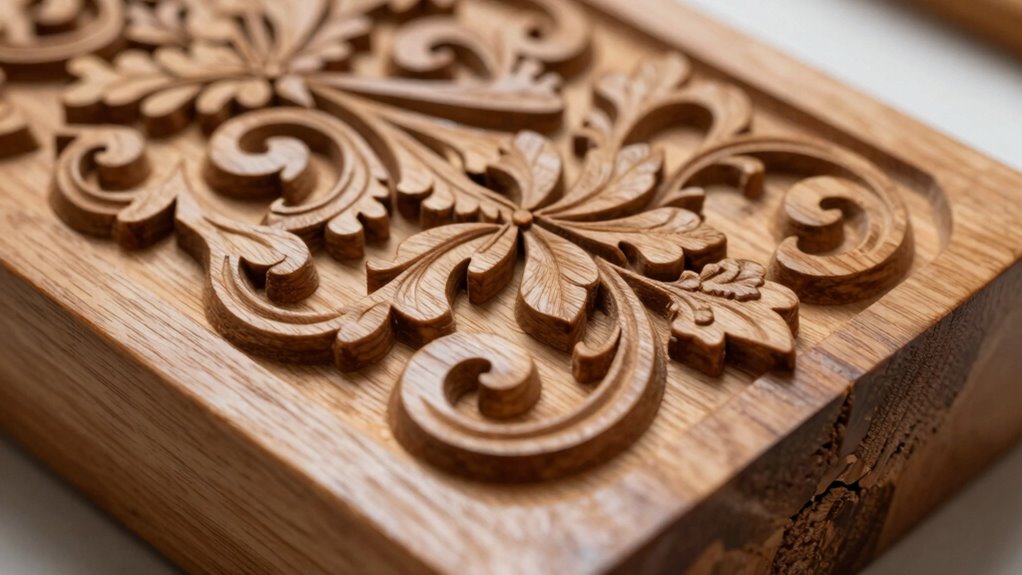
Wood art can easily be be mistaken for a simple hobby or a thoughtful gift, but it’s the attention to detail that truly sets them apart. When you craft with wood, every piece carries a unique story told through the wood grain. The natural patterns and textures in the grain can elevate a simple design into something extraordinary, especially when you focus on highlighting these features. A skillful artist understands how to work with the grain, choosing the right direction and cut to enhance the visual appeal of the piece. It’s not just about carving or assembling; it’s about letting the wood’s character shine through, creating a sense of depth and warmth that resonates deeply with anyone who receives it.
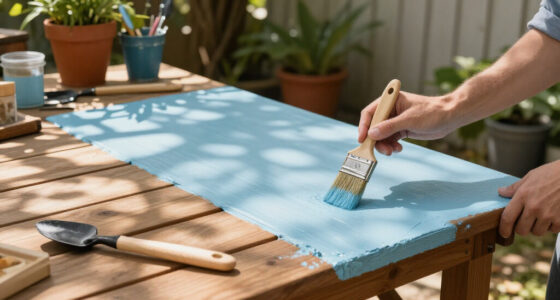
Finishing techniques play an essential role in transforming a piece of wood art from a basic creation into a polished gift. The way you finish your work can make all the difference in how it’s perceived. For example, a smooth, satin finish can bring out the subtle nuances of the wood grain, making intricate details pop. Conversely, a high-gloss finish adds a vibrant luster, giving the piece a more refined and professional look. The key is selecting the right finishing method for each project, considering the type of wood and the intended use. Proper sanding, sealing, and applying multiple coats of finish not only protect the piece but also enhance its natural beauty. This careful process demonstrates your dedication and elevates the craftsmanship, distinguishing a handmade gift from a casual hobby project.
When you pay attention to these details—embracing the natural beauty of the wood grain and applying thoughtful finishing techniques—you communicate a level of care and expertise that’s hard to match. Your ability to showcase the wood’s inherent qualities makes your work more than just a craft; it becomes a treasured gift, appreciated for its artistry and authenticity. People can sense when a piece has been crafted with intention, and it’s this authenticity that transforms a simple hobby into a meaningful present. So, whether you’re creating a decorative piece or a functional item, focusing on these subtle yet impactful details helps your work stand out, making it clear that your craftsmanship is driven by passion, precision, and a deep respect for the natural material. Recognizing the importance of biodiversity in selecting sustainable materials further elevates the integrity of your work and its connection to the environment. Cultivating an understanding of sustainable practices can also inspire more environmentally conscious choices in your woodworking projects. Incorporating environmentally friendly finishes can enhance the overall sustainability of your craft, aligning your work with eco-conscious values.
Products Worth Considering

Dyson W1 PencilWash Cordless Wet and Dry Floor Cleaner with Dock

Bose SoundLink Plus Portable Bluetooth Speaker, Wireless Outdoor Speaker, Up to 20 Hours Battery Life, Waterproof and Dustproof, Black

Dreame G10 Pro Wet and Dry Vacuum Mop
As an affiliate, we earn on qualifying purchases.
Frequently Asked Questions
What Types of Wood Are Best for Giftable Art?
You should choose hardwoods like cherry, maple, or walnut for giftable art, as their fine wood grain lends a sophisticated look. These woods carve well with quality carving tools, allowing you to create detailed, polished designs. Their durability and attractive appearance make your work stand out as a special gift. Avoid softwoods, which may chip or lack the refined finish needed for high-quality, gift-ready wood art.
How Long Does It Typically Take to Complete a Gift-Worthy Piece?
You’ll usually spend several days to a few weeks on a gift-worthy wood art piece, depending on complexity. During the crafting process, you channel your artistic inspiration into each detail, ensuring quality and uniqueness. Rushing can compromise the finish, so take your time to refine your work. Patience and dedication elevate your project from hobby to giftable art, making it special and memorable for the recipient.
Are There Specific Finishing Techniques That Elevate a Piece’s Value?
You can elevate your wood art with polishing techniques that give it a mirror-like finish, making it shine like a jewel. Staining methods add depth and richness, transforming plain wood into a canvas of vibrant or subtle hues. These finishing touches are the brushstrokes of a master artist, turning a simple piece into a gift-ready masterpiece. When you master polishing and staining, your work truly stands out.
How Do I Price My Wood Art for Sale?
To price your wood art, start with a solid pricing strategy by calculating your material and labor costs. then, conduct market research to see what similar pieces sell for. Factor in your skill level and the uniqueness of your work. Don’t forget to add a profit margin. Adjust your prices based on demand and feedback, ensuring you’re competitive while valuing your craftsmanship properly.
What Safety Precautions Are Recommended During Intricate Carving?
When doing intricate carving, you should always wear proper safety equipment like safety glasses and a dust mask to protect your eyes and lungs. Use carving techniques carefully, keeping your hands steady and your tools sharp to prevent slips. Work in a well-ventilated area, and take regular breaks to avoid fatigue. These precautions help guarantee your safety and make your carving process smoother and more enjoyable.
Conclusion
By paying attention to those subtle wood art details, you can elevate your work from a simple hobby to a truly gift-worthy piece. It’s all about the craftsmanship, precision, and finishing touches that show care and intention. When you focus on these finer elements, do you truly consider how your work can evoke emotion or admiration? Ultimately, it’s these details that set your creations apart and make them memorable for anyone lucky enough to receive them.