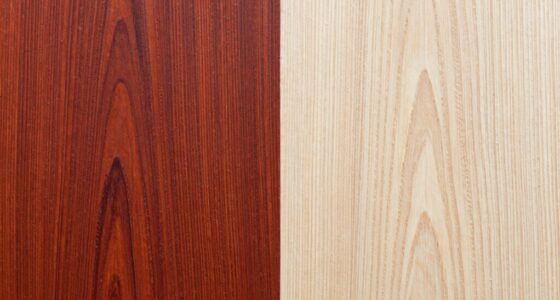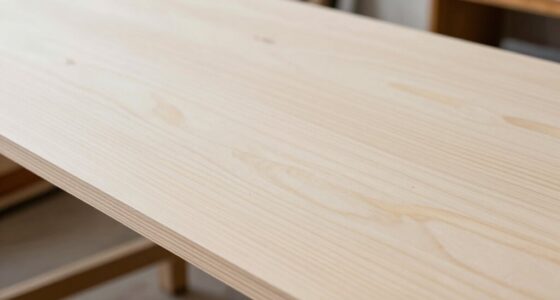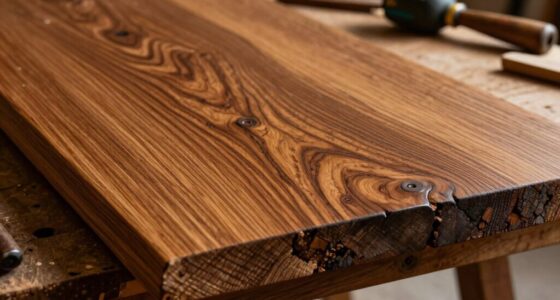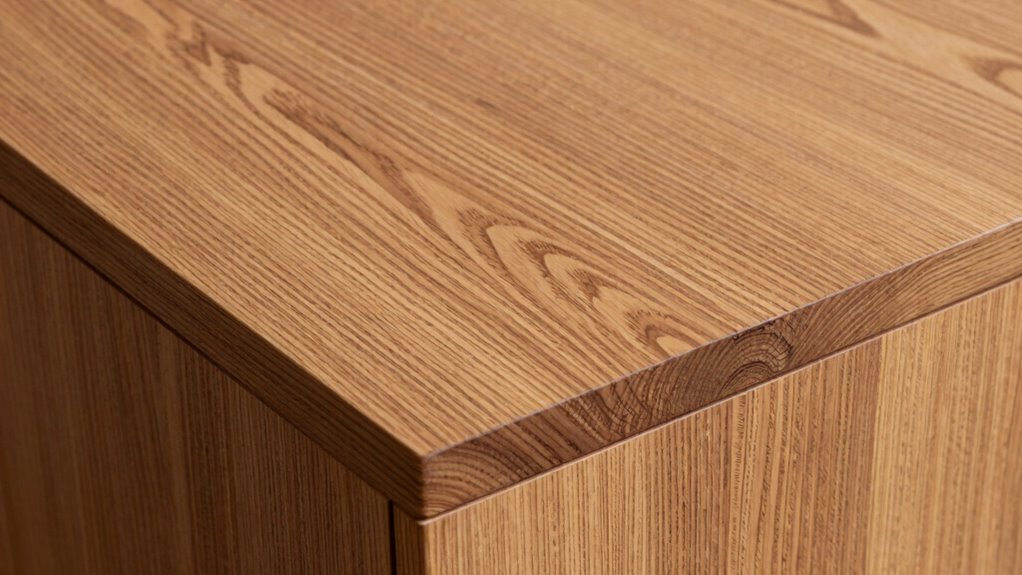

When you choose quarter-sawn lumber for furniture, you’ll notice distinct grain patterns, like rays and flecks, that add visual depth and elegance. Its stability makes it resistant to warping, cracking, and swelling, even over time. However, supply chain changes can cause variations in appearance and availability, possibly affecting costs. Despite fluctuations, quarter-sawn wood maintains its long-lasting performance and timeless beauty—if you want to understand how these changes impact its durability and look, keep exploring.

Get business pricing on tools and workshop supplies
- Business-only prices and quantity discounts
- Tax-exempt purchasing
- Multiple users, one account, clear invoices
Key Takeaways
- Supply chain shifts can cause variability in grain pattern and appearance of quarter-sawn lumber.
- Recent sourcing changes may increase costs and reduce consistent availability of high-quality pieces.
- Variations in grain alignment might affect the visual uniformity and long-term durability of furniture.
- Despite changes, quarter-sawn wood generally retains its stability and resistance to warping.
- Overall, furniture made with quarter-sawn lumber continues to showcase distinct grain and lasting craftsmanship.
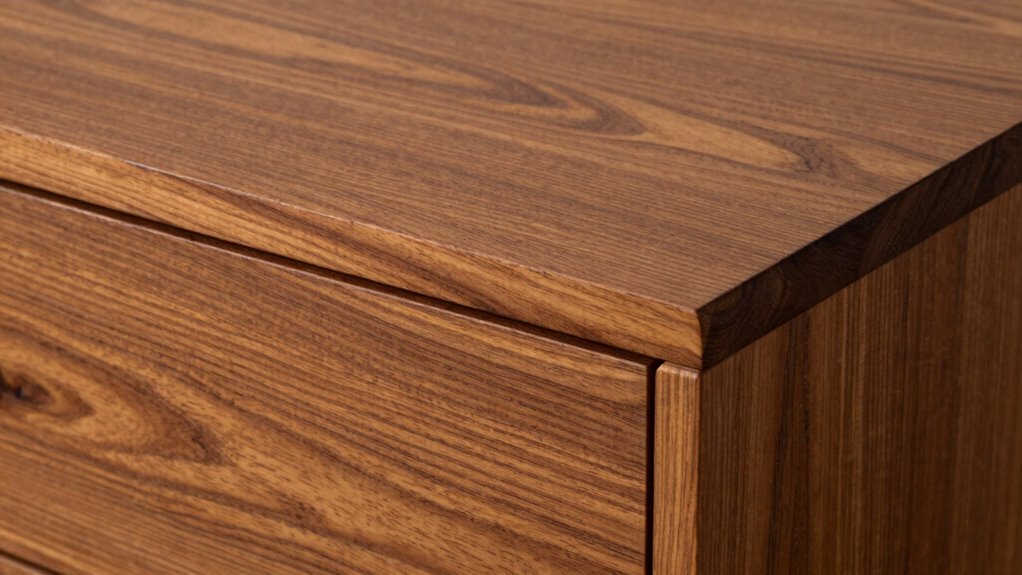
Quarter-sawn lumber has experienced significant changes recently, impacting both its quality and availability. When you look at furniture crafted from quarter-sawn wood, you’ll notice the distinct grain pattern that sets it apart. The grain pattern in quarter-sawn lumber runs perpendicular to the growth rings, creating a straight, consistent appearance often characterized by flecks or rays that add visual depth. This pattern isn’t just for aesthetics; it also signifies a higher level of craftsmanship and a focus on longevity. With recent shifts in sourcing and production, the grain pattern you see may vary more than it did in the past, but the core visual appeal remains a hallmark of quality furniture.
One of the most vital benefits of quarter-sawn lumber is its exceptional wood stability. You’ll find that furniture made from this type of wood resists warping, cracking, and swelling better than other cuts. This stability is essential if you want your furniture to last decades, especially in environments with fluctuating humidity and temperature. Historically, the consistency of quarter-sawn wood meant you could count on its performance over time, but recent changes in supply chains and processing techniques have caused some variability. Additionally, the grain pattern of quarter-sawn lumber is a key indicator of its quality and aesthetic appeal. The grain orientation also contributes to its durability, making it a preferred choice for fine furniture. Furthermore, the long-term performance of quarter-sawn wood remains a significant advantage for those seeking durable furnishings. Still, the core advantage remains: quarter-sawn lumber tends to stay true to its original shape, making it a preferred choice for fine furniture. As the availability of quarter-sawn lumber fluctuates, artisans and consumers alike may need to adapt to new sourcing options and potentially higher costs.
However, these recent changes mean that you might notice some differences in how the wood behaves or appears. As the availability of quarter-sawn lumber fluctuates, the cost may go up, and sourcing authentic, high-quality pieces could become more challenging. The grain pattern might sometimes appear less uniform or more varied, depending on the supplier and the specific batch. These variations can also affect the long-term durability of the furniture, emphasizing the importance of careful selection. Despite these challenges, furniture built with quarter-sawn wood generally retains its reputation for stability and beauty. You can still expect the same impressive grain pattern that highlights rays and flecks, giving your furniture a timeless, elegant look.
As an affiliate, we earn on qualifying purchases.
Frequently Asked Questions
How Does Quarter-Sawn Lumber Affect Furniture Weight?
Quarter-sawn lumber makes furniture slightly heavier because the grain pattern results in a denser, more stable wood. You might notice your furniture feels sturdier and more durable, thanks to this increased stability. The grain aligns in a way that resists warping and cracking, which adds to the weight. So, if you’re choosing furniture, expect quarter-sawn pieces to be a bit heavier but also more resilient over time.
Is Quarter-Sawn Wood More Environmentally Sustainable?
Think of quarter-sawn wood as a well-tended garden—more sustainable if sourced responsibly. It’s often more eco-friendly because it aligns with renewable forest practices, reducing waste and preserving resources. When you choose furniture made from quarter-sawn lumber with eco-friendly sourcing, you support sustainable forestry. This approach minimizes environmental impact, making your furniture not only beautiful but also a responsible choice for the planet.
Can Quarter-Sawn Lumber Be Used for Outdoor Furniture?
Yes, you can use quarter-sawn lumber for outdoor furniture. Its distinctive grain pattern adds visual appeal, and it’s more moisture-resistant than plain-sawn wood, making it a good choice for outdoor settings. The stability of quarter-sawn wood helps prevent warping and cracking caused by weather changes. Just make certain you seal and treat it properly to enhance durability and weather resistance, so your outdoor furniture stays beautiful longer.
How Does Quarter-Sawn Lumber Impact Furniture Cost?
Using quarter-sawn lumber increases furniture cost because it offers a distinctive grain pattern and superior visual appeal, making each piece unique. The precise cut process results in less waste and higher labor costs, which get reflected in the price. You’ll pay more upfront, but you gain a piece with enhanced durability and a beautiful, stable grain pattern that elevates the overall aesthetic of your furniture.
What Are the Common Finishes Used on Quarter-Sawn Furniture?
You’ll notice that common finishes on quarter-sawn furniture highlight its striking grain pattern and enhance its visual appeal. Clear varnishes and lacquers emphasize the straight, ribbon-like grain, while oil finishes deepen the rich wood tones, bringing out the texture and details. Stains can add warmth or contrast, making each piece unique. These finishes protect the wood, ensuring your furniture’s beauty endures while showcasing the natural elegance of the quarter-sawn grain.
Conclusion
Choosing quarter-sawn lumber offers timeless beauty and stability, yet it’s often overlooked. Like the quiet strength beneath a polished surface, its unique grain showcases nature’s artistry, contrasting with the fleeting trends of furniture design. When you appreciate these subtle differences, you realize that true craftsmanship isn’t just about appearance—it’s about enduring quality. In embracing quarter-sawn lumber, you’re not just selecting a material; you’re investing in a piece that tells a story beyond its surface.
Halloween Picks
halloween
As an affiliate, we earn on qualifying purchases.