

You can spot potential big moves by watching for sharp price gaps, which often happen with high volume and quick sentiment shifts. Increased volatility, such as sudden price swings or activity spikes, signals growing instability. Recognizable chart patterns like triangles, flags, or pennants also suggest breakouts. When consolidation phases end with clear formations, a move is likely. Keep an eye on these visual cues, and you’ll gain insight into upcoming market shifts. More details await if you keep observing closely.

Get business pricing on tools and workshop supplies
- Business-only prices and quantity discounts
- Tax-exempt purchasing
- Multiple users, one account, clear invoices
Key Takeaways
- Increased fluctuations and activity spikes indicate waning stability and potential upcoming movement.
- Sharp price gaps on high volume often precede significant market moves.
- Formation of clear technical patterns like triangles, flags, or pennants suggests brewing breakouts.
- Elevated trading volume and larger-than-usual swings signal heightened trader activity and possible shifts.
- Signs of shifting market sentiment include rapid price changes and increased chatter or volatility.
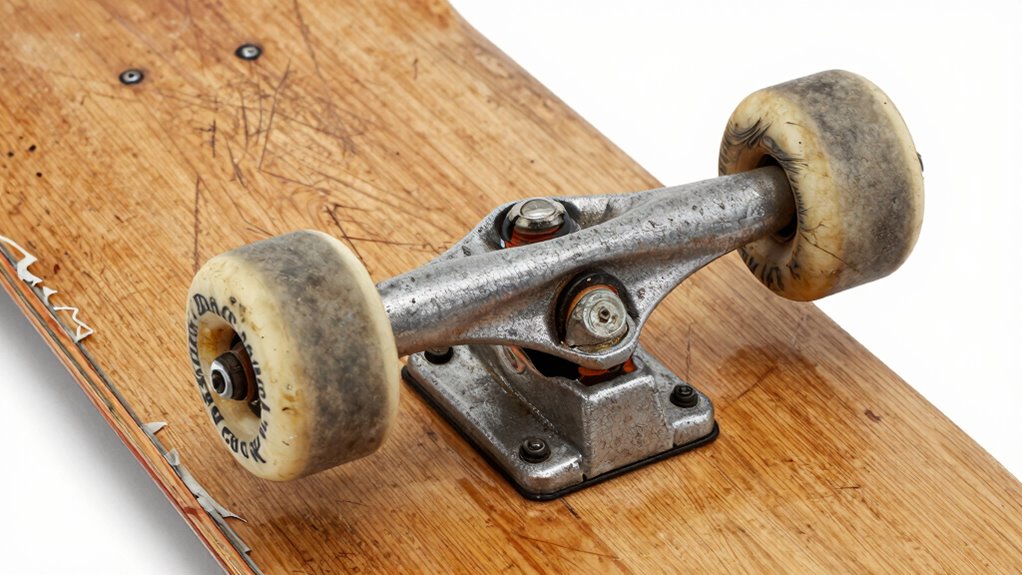
If you’re trying to predict which boards are likely to see a lot of movement, paying attention to certain visual cues can give you a significant edge. The key lies in observing subtle changes and patterns that signal upcoming shifts. Two vital aspects to focus on are board stability and movement indicators. These elements reveal a lot about the likelihood of a board becoming active.
Start by evaluating the overall board stability. A stable board typically exhibits consistent patterns, with minimal irregularities or abrupt changes. When you notice a board that has been steady over time, it might seem less likely to move, but watch out for signs that stability is waning. For instance, if frequent fluctuations or sudden spikes in activity occur, it could indicate that the board is gearing up for a move. Look for signs like increased trading volume, larger-than-usual price swings, or heightened chatter in related discussions. These are classic movement indicators that the board’s stability is weakening, foreshadowing increased activity. Additionally, understanding the market sentiment can help you interpret whether these visual cues suggest an imminent shift. Recognizing early signs of volatility can further improve your prediction accuracy. Moreover, observing changes in market dynamics can provide deeper insight into potential upcoming movements.
Next, pay close attention to specific movement indicators. These are visual cues that suggest imminent action. Sharp price gaps, for example, often precede significant movement, especially if they occur on high volume. Such gaps can be seen as empty spaces on charts, signaling a rapid shift in sentiment. Additionally, watch for clusters of large trades or sudden spikes in volatility. These are often early signals that traders are positioning themselves, which can trigger a domino effect. Technical signals like breaking through important resistance or support levels also act as powerful movement indicators. When a board’s price crosses these critical thresholds, it often sparks a flurry of activity as traders react. Recognizing price patterns such as triangles, flags, or pennants can further hint at upcoming breakouts, indicating a potential shift in market sentiment. When these formations appear, especially after a period of consolidation, they suggest a potential move is brewing. The more pronounced and clear these visual patterns, the higher the probability that the board will experience a significant shift soon.
stock chart pattern recognition book
As an affiliate, we earn on qualifying purchases.
As an affiliate, we earn on qualifying purchases.
Frequently Asked Questions
How Early Can Visual Signs Predict a Board’s Future Movement?
You can often spot early signs of a board’s future movement by observing market sentiment and historical patterns. When investors become increasingly optimistic or pessimistic, it signals potential shifts. Additionally, recurring historical patterns, like breakouts or reversals, can hint at upcoming volatility. By paying close attention to these visual cues, you might predict a board’s movement well before it happens, giving you a vital edge in your trading strategy.
Do Visual Cues Vary Across Different Types of Boards?
You bet visual cues vary across different types of boards because market psychology and trader behavior influence each one uniquely. For example, a stock chart might show volume spikes, while a crypto board highlights momentum shifts. It’s like comparing apples to oranges. Recognizing these nuances helps you read the signs more accurately, giving you an edge. Pay attention to these differences, and you won’t be caught flat-footed when market conditions change.
Can Visual Signs Indicate the Direction of a Board’s Movement?
Yes, visual signs can indicate the direction of a board’s movement by reflecting market psychology and technical indicators. You can look for patterns like rising volume, bullish candlesticks, or trendlines showing higher lows, which suggest upward momentum. Conversely, declining volume, bearish patterns, or resistance levels can signal a downward shift. Recognizing these visual cues helps you gauge likely price directions and make informed trading decisions.
How Reliable Are Visual Signs Compared to Other Prediction Methods?
You might think visual signs are the crystal balls of trading, but they’re only part of the story. Market psychology and technical indicators often give more reliable clues. Visual cues are subjective and can be misleading like a mirage. While useful for quick insights, they shouldn’t replace data-driven methods. Combining visual signs with technical indicators enhances your prediction accuracy, making your approach more balanced and less prone to false signals.
Are There Specific Colors or Patterns Linked to High Volatility?
Yes, certain color patterns and visual cues are linked to high volatility. Bright reds or oranges often signal increased activity and potential sharp moves, while irregular or chaotic pattern recognition can indicate uncertainty. You should watch for rapid shifts in these color patterns, as they often precede significant price swings. Recognizing these visual signs can help you anticipate volatility, but always combine them with other analysis methods for better accuracy.
Conclusion
So, next time you spot a board with lots of quick, sharp movements and unpredictable shifts, trust your instincts. These signs often indicate a board that’s about to move a lot, just like a lively crowd or a restless dancer. It’s not just coincidence—there’s real science behind it. Keep an eye out for these visual cues, and you’ll stay ahead of the game, predicting changes before they even happen.
Halloween Picks
halloween
As an affiliate, we earn on qualifying purchases.