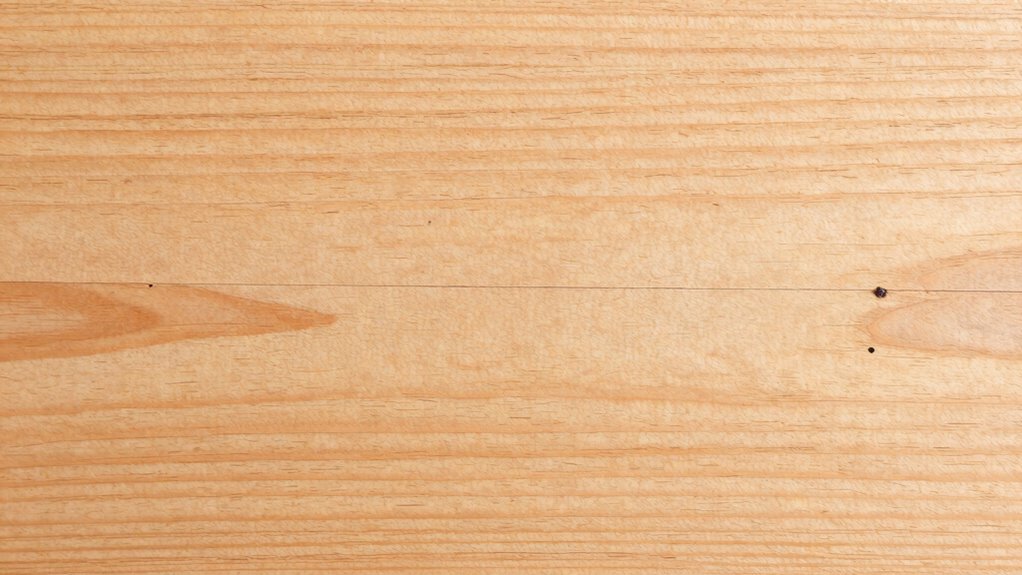

To spot veneer before repairing, look for surface inconsistencies like sheen differences or irregular finish. Feel for areas that seem thinner or more fragile, and check for cracks or peeling that reveal layers underneath. Examine grain patterns for unnatural uniformity or patterns that don’t match solid wood. You can also tap the surface gently to detect layered construction clues. Recognizing these signs helps you identify veneer and plan your repair effectively—stick around to learn how to get it right.

Get tools and workshop supplies delivered free — and shop member deals
- Fast, free delivery on millions of items
- Access to Prime Big Deal Days deals on October 6–7
- Prime Video, Amazon Music and more included
Key Takeaways
- Check for surface finish inconsistencies, such as sheen differences or seams at edges.
- Feel the surface for irregularities, flaking, or fragility indicative of veneer damage.
- Examine the durability; veneer is more prone to dents, scratches, and peeling.
- Look for uniform or unnatural grain patterns that differ from solid wood.
- Identify layered construction by inspecting for thin surface layers over a core material.
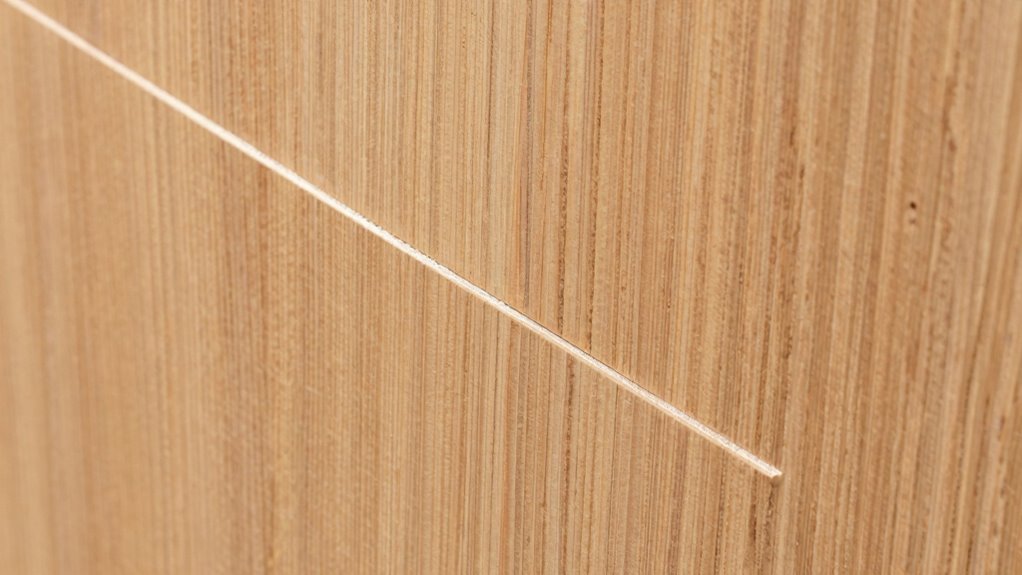
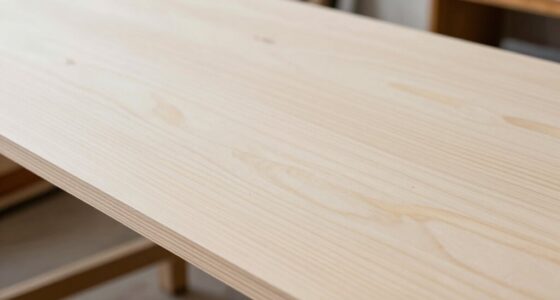
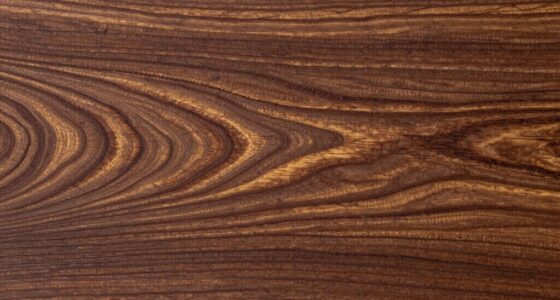
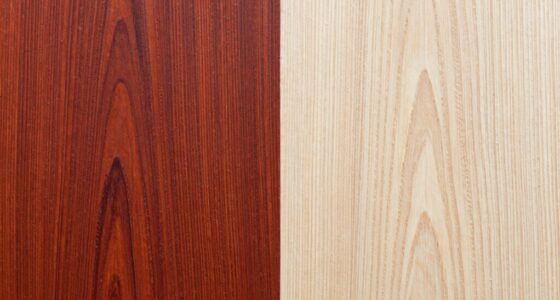
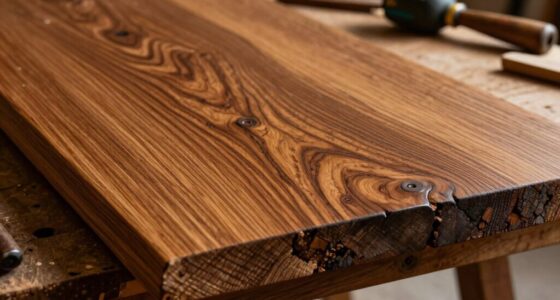
Ever wonder how to tell if a piece of furniture has veneer? Identifying veneer isn’t always straightforward, but paying attention to surface finishes and material durability can give you clear clues. Veneer is a thin layer of high-quality wood glued over a less expensive core, and recognizing it can help you plan your repair more effectively. Surface finishes are often a good starting point. When you run your hand over the furniture, look for inconsistencies in the finish, such as areas where the surface feels smoother or different from the surrounding wood. Veneered surfaces tend to have a uniform appearance, but close inspection might reveal a slight seam or a difference in sheen at the edges. Sometimes, the veneer is so finely applied that it mimics solid wood, but in other cases, the surface may feel thinner or more fragile. If you see cracks or peeling, it could be a sign that the veneer is lifting from the substrate, especially if the surface finish appears to be flaking or separating. Additionally, understanding material durability can help you distinguish veneer from solid wood, since veneer is generally less resistant to dents and scratches. Being aware of wood grain patterns can also assist in identifying veneered surfaces, as the grain may appear too uniform or patterned compared to natural solid wood. Recognizing layered construction can further enhance your ability to identify veneer, especially if you notice a distinct thin layer beneath the surface.
As an affiliate, we earn on qualifying purchases.
Frequently Asked Questions
Can Veneer Damage Be Completely Hidden Once Repaired?
Veneer damage can often be hidden after repair, but it depends on veneer thickness and repair blending. Thinner veneers make it harder to conceal repairs, while thicker veneers provide more material for seamless blending. Proper techniques, like matching grain and color, help hide repairs effectively. Ultimately, skilled repair work can make damage virtually invisible, though some minor imperfections might still be slightly perceptible upon close inspection.
Are There Specific Tools Recommended for Identifying Veneer?
Did you know that using proper inspection tools can increase your success rate in identifying veneer issues by up to 60%? For veneer testing, specialized tools like a magnifying glass, a small flashlight, or a veneer thickness gauge are highly recommended. These inspection tools help you examine surface details closely, revealing imperfections or damage that might be hidden to the naked eye, ensuring you accurately assess the veneer’s condition before planning repairs.
How Does Age Affect Veneer Appearance and Detection?
Veneer aging can make it easier to detect since older veneer often shows signs like discoloration, cracks, or warping. As veneer ages, detection techniques such as visual inspection and tactile checks become more effective because aging reveals flaws that are harder to see in newer veneer. By closely examining surface changes and inconsistencies, you can identify aged veneer more confidently before planning any repairs.
Is Veneer Repair More Cost-Effective Than Replacement?
Veneer repair often saves your wallet, shining brighter in the cost comparison compared to full replacement. It’s like patching a crack in a glass mirror—quick, less expensive, and preserving the original beauty. Plus, repair usually offers decent longevity if done properly, making it a smart choice for budget-conscious homeowners. You get a fresh look without breaking the bank, ensuring your investment remains shining for years to come.
What Are Common Mistakes When Inspecting for Veneer?
When inspecting for veneer, you might make mistakes by overlooking material consistency and surface irregularities. Don’t assume all veneer matches perfectly; check for color and grain inconsistencies. Avoid only inspecting the surface—look closely for unevenness or bubbling, which can indicate underlying issues. Rushing can cause you to miss subtle signs of damage or repairs. Take your time, examine thoroughly, and compare areas to confirm you accurately identify veneer problems before planning repairs.
Conclusion
Now that you know what to look for, spotting veneer becomes second nature—like a detective uncovering hidden clues. Remember, the right eye can reveal secrets beneath the surface, saving you time and money. Treat your furniture like a treasure chest, carefully inspecting each layer before you embark on repairs. With these tips, you’ll confidently navigate your project, ensuring your piece remains a shining gem rather than a faded relic. Happy repairing!
Fall yard work Picks
leaf blowers
As an affiliate, we earn on qualifying purchases.