
Maples may seem robust, but they are quite sensitive to environmental changes. Sudden temperature shifts or weather fluctuations can quickly disrupt sap flow and cause irregular leaf color change. Drought, disease, and nutrient shortages also stress the tree, making it more unpredictable. These external factors trigger quick responses from maples, revealing their fragile balance. Keep going, and you’ll discover just how delicate and responsive these beautiful trees truly are.

Get tools and workshop supplies delivered free — and shop member deals
- Fast, free delivery on millions of items
- Access to Prime Big Deal Days deals on October 6–7
- Prime Video, Amazon Music and more included
Key Takeaways
- Sap flow is sensitive to temperature changes, which can disrupt nutrient transport and signal stress before visible symptoms appear.
- External stresses like drought or disease accelerate leaf senescence and alter normal seasonal color changes.
- Sudden weather shifts impact internal processes, making maples more unpredictable than their appearance suggests.
- Disrupted sap flow and irregular leaf aging indicate the tree’s response to environmental stressors.
- Climate variability increases vulnerability, causing subtle but significant changes in health and seasonal behavior.
Maple trees often appear graceful and resilient, but beneath their charming exterior lies a plant that can be surprisingly temperamental. One of the key signs of their sensitivity is how they manage sap flow. During the growing season, sap moves smoothly through the tree’s internal channels, carrying nutrients and sugars from the roots to the leaves. However, this process isn’t always steady. Sudden temperature drops or unexpected weather shifts can disrupt sap flow, causing the tree to become stressed. When sap flow slows or halts, it’s often a sign that the tree is adjusting to its environment, but it can also indicate potential damage or illness. If you notice the sap stopping or oozing excessively, it might mean the tree is struggling to maintain balance, especially during early spring or late fall when temperature fluctuations are common. These fluctuations can also influence the timing and intensity of leaf senescence, further highlighting the tree’s sensitivity.
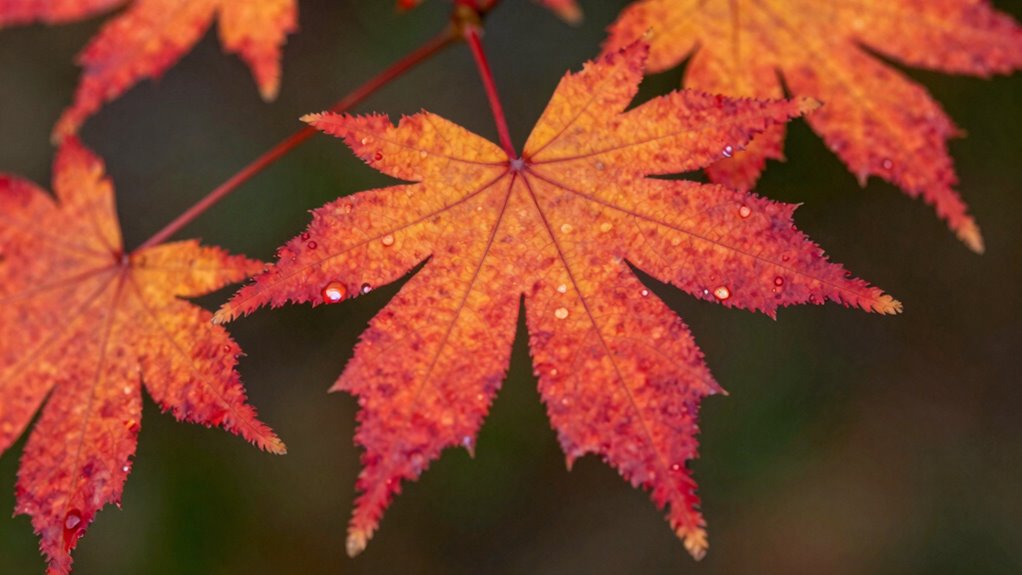
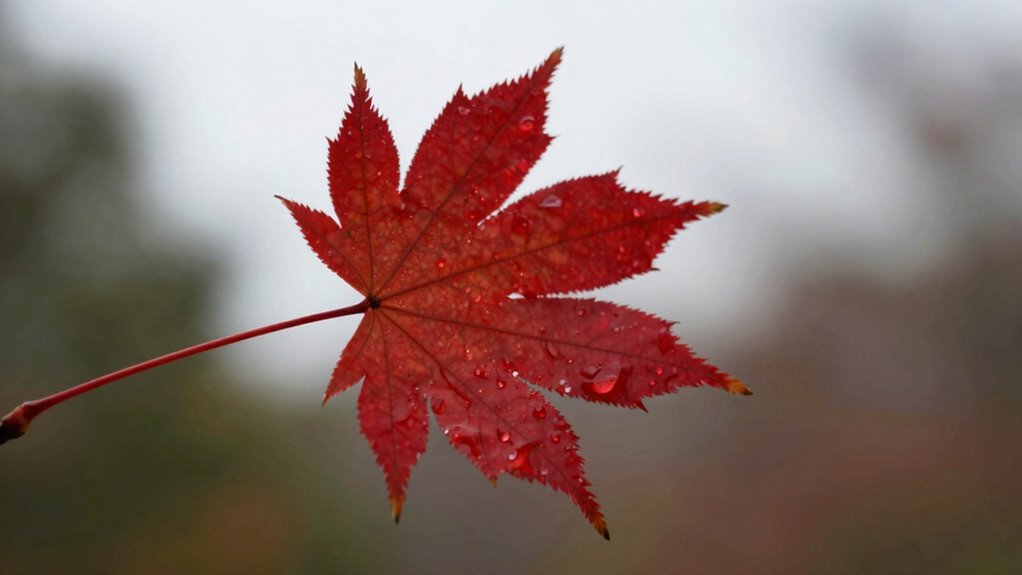
Another aspect that reveals the temperamental nature of maples is leaf senescence, the process where leaves change color and fall off. While this seems straightforward—simply a sign of the changing seasons—it’s actually a complex biological response. Leaf senescence is influenced by environmental cues like daylight and temperature, but it’s also a reflection of the tree’s internal health. If a maple experiences drought, disease, or nutrient deficiencies, the process can accelerate or become irregular. Sometimes, leaves turn color prematurely or don’t change at all, signaling stress rather than the arrival of autumn. This sensitivity makes maples more unpredictable than they might appear, especially when you’re expecting a predictable cycle of vibrant fall foliage. Additionally, the delicate balance of sap flow and leaf aging underscores how closely these trees respond to their environment, making them more vulnerable to climatic fluctuations and other external stresses.
As an affiliate, we earn on qualifying purchases.
Frequently Asked Questions
How Do Weather Changes Affect Maple Tree Health?
Weather changes profoundly impact your maple tree’s health. Sudden temperature drops can disrupt sap flow, making it harder for the tree to produce sugar and maintain vigor. Additionally, fluctuating weather influences leaf senescence, causing leaves to fall prematurely or linger longer. These changes stress the tree, weakening its defenses. To keep your maple healthy, monitor weather patterns closely and provide proper care during extreme shifts.
Can Maple Trees Survive Harsh Winters Unprotected?
You might be surprised, but maple trees can survive harsh winters unprotected, especially mature ones. About 75% of maple syrup production depends on trees enduring winter cold. During the season, their leaf color change signals dormancy, protecting essential tissues. Their thick bark and stored nutrients help them withstand extreme temperatures, so with proper age and health, maples can brave harsh winters and still produce sweet syrup come spring.
What Pests Most Commonly Target Maple Trees?
You should watch out for pests like aphids, scale insects, and borers that commonly target maple trees. To prevent infestations, practice pest prevention methods such as regular monitoring and proper pruning. When you notice insects, focus on accurate insect identification to choose the right treatment. Early detection and timely intervention help keep your maple healthy, preventing serious damage and ensuring it stays vibrant throughout the seasons.
How Long Does It Take for a Maple to Mature?
Think of a maple tree as a young artist, slowly mastering its craft. It typically takes 30 to 40 years for a maple to fully mature, during which its sap production becomes steady and vibrant leaf colors emerge. As it ages, the tree’s true strength shines through, with its leaves turning brilliant hues, symbolizing growth. Patience rewards you with a majestic canopy and a steady flow of sweet sap.
Are All Maple Varieties Equally Temperamental?
Not all maple varieties are equally temperamental. Some, like sugar maples, produce abundant sap and consistent maple color, making them easier to tap and manage. Others, such as red maples, can be more sensitive to weather changes, affecting maple sap flow and color. You’ll find that certain varieties respond better to your climate, while others may require more attention to maintain *ideal* maple sap quality and color.
Conclusion
So, next time you admire a maple’s graceful leaves or sweet sap, remember it’s more than just a pretty face. Beneath its gentle exterior lies a fiery core, ready to dance and shift with the seasons. Like a temperamental artist, it paints in bold strokes, sometimes unpredictable, always alive. Respect its nature, and you’ll see the beauty in its unpredictable, spirited soul—an ever-changing masterpiece, vibrant and full of surprises.
Halloween Picks
halloween
As an affiliate, we earn on qualifying purchases.