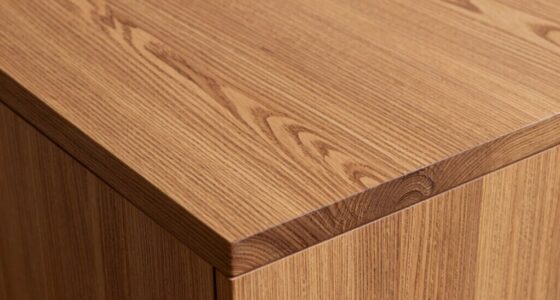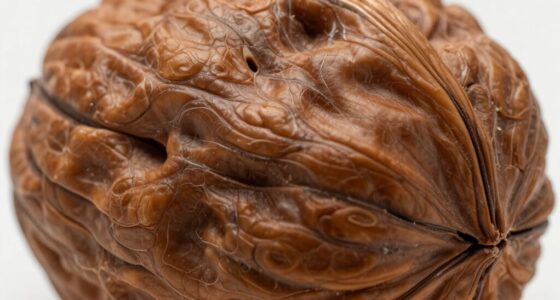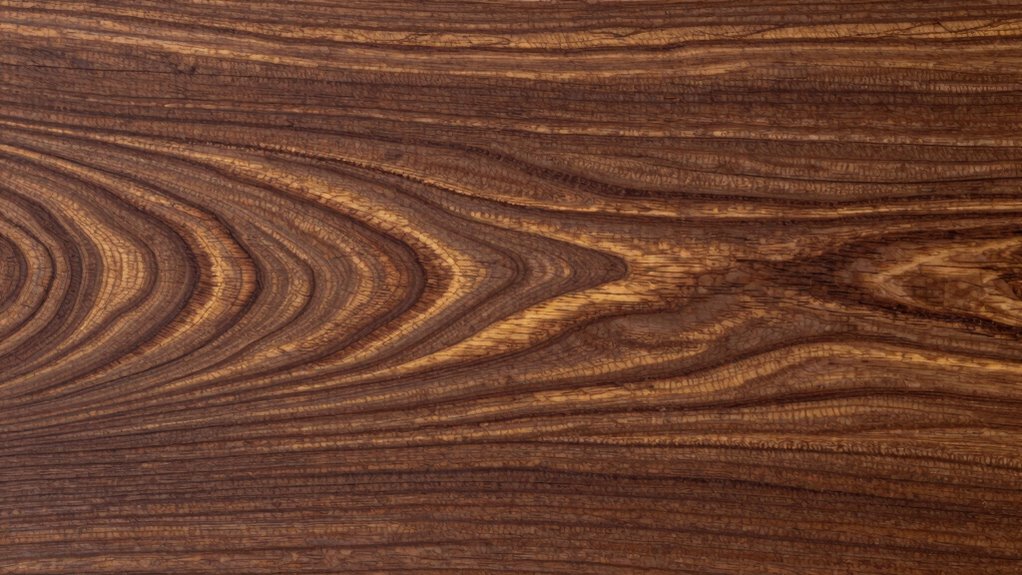

The grain pattern of wood reveals more than just its color, showing you details about its origin, age, and quality. By examining the grains, you can identify regional species, see how old the wood is, and recognize genuine vintage or reclaimed pieces. Grain patterns also indicate stability and durability, helping you choose the best wood for your needs. Keep exploring, and you’ll discover even more ways this natural feature guides smarter selections.

Get business pricing on tools and workshop supplies
- Business-only prices and quantity discounts
- Tax-exempt purchasing
- Multiple users, one account, clear invoices
Key Takeaways
- Grain patterns reveal the wood’s origin, age, and authenticity beyond just surface color.
- Narrow, linear grain indicates quarter-sawn wood, offering greater stability than broad, flat-sawn patterns.
- Distinctive figure or ripple effects can identify regional species and vintage qualities.
- Grain texture and variation provide clues about durability, softness, and suitability for specific uses.
- Analyzing grain helps assess wood’s response to environmental changes and its long-term stability.
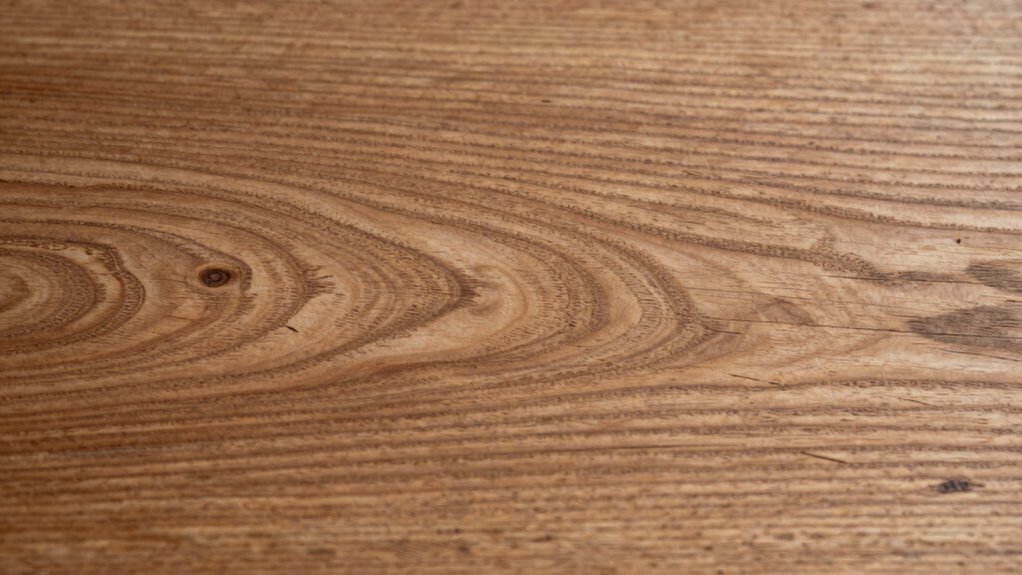
While many people focus on the color of wood when choosing furniture or flooring, the true story lies in its grain pattern. The grain pattern isn’t just an aesthetic detail; it reveals essential information about the wood’s origin, quality, and even its durability. When you pay close attention to the grain, you gain insights that go far beyond surface appearance. It’s a significant clue that helps you understand the wood’s unique characteristics and make smarter choices for your space. Recognizing the grain flow pattern can also help you determine the best orientation for installation or use, ensuring longevity and stability. The grain pattern displays the natural flow of fibers within the wood, and this flow varies depending on the species and how the wood was cut. For example, flat-sawn or plain-sawn wood shows broad, sweeping patterns, often with distinctive cathedral or ripple effects. Conversely, quarter-sawn wood reveals narrower, more linear patterns, which tend to be more stable and less prone to warping. Recognizing these differences allows you to select wood that aligns with your needs, whether it’s for durability, aesthetic appeal, or stability. Additionally, observing the grain’s texture variation can help you identify the wood’s potential performance, as some textures indicate greater resistance to wear. Some woods have a smooth, uniform surface, indicating a tight, dense grain that’s resistant to scratches and dents. Others display more pronounced ridges, swirls, or figure, which can add visual interest but may also suggest softer, more vulnerable areas. By observing these texture variations, you can gauge how the wood might wear over time and decide if it’s suitable for high-traffic areas or delicate furniture. A deeper understanding of these grain characteristics can also assist in selecting the right finish or treatment to enhance the wood’s natural beauty and durability. Recognizing regional species and their distinctive grain traits can also provide clues about the wood’s origin and authenticity. Furthermore, the grain pattern can hint at the wood’s origin and age. Certain regional species have distinctive grain characteristics, and older, well-aged wood often develops more intricate, complex patterns. If you’re looking for vintage or reclaimed wood, studying the grain can help you identify authentic pieces and avoid fakes or lower-quality imports. In addition, understanding these grain patterns can help predict how the wood will respond to environmental changes, such as humidity fluctuations. The grain pattern becomes an authenticity marker, giving you confidence in your purchase.
As an affiliate, we earn on qualifying purchases.
Frequently Asked Questions
Can Wood Grain Help Identify the Type of Wood Accurately?
Yes, wood grain can help you identify the type of wood accurately. You should examine the grain texture and visual patterns closely, as different woods have unique characteristics. For example, oak has a prominent, open grain, while cherry features a smooth, fine grain. By paying attention to these details, you can distinguish between various wood types more confidently than relying on color alone.
How Does Wood Grain Change Over Time or With Aging?
As wood ages, its grain patterns can change due to aging patterns and grain distortion. Over time, you might notice the grain becoming more pronounced or developing subtle shifts because of moisture changes or exposure to elements. These alterations can cause the wood to appear more textured or warped, helping you identify older wood. Keep an eye on these signs, as they reveal the wood’s history and aging process.
Is Wood Grain Pattern Unique to Each Piece of Wood?
Your wood grain pattern is absolutely one-of-a-kind, more unique than your fingerprint! No two pieces have identical grain symmetry or pattern variability, making each piece a masterpiece. Even within the same species, variations in growth rings and knots create a signature look. So, when you examine the grain, you’re revealing a visual fingerprint that’s impossible to replicate, ensuring your wood piece is truly unique in the universe.
Can Wood Grain Indicate the Wood’s Quality or Strength?
Yes, wood grain can indicate the wood’s quality or strength. You observe the grain patterns and visual texture to assess durability; tight, straight grains often suggest stronger, better-quality wood, while irregular, loose grains may point to weaker, less durable material. By examining these features, you can gauge the wood’s structural integrity, helping you choose the right type for your project.
How Do Environmental Factors Affect Wood Grain Appearance?
Environmental influences, like humidity and temperature, can considerably affect wood grain appearance. They alter grain density by causing expansion or contraction, which may lead to warping or cracking over time. You’ll notice changes such as darker streaks or uneven textures, revealing how environmental factors impact the wood’s structure. By understanding these influences, you can better assess wood quality and anticipate how it might look and perform in different conditions.
Conclusion
Don’t overlook the wood grain when choosing your wood; it offers insights that color alone can’t provide. While some might think color is enough to identify a piece, the grain reveals its true character and durability. Trust me, paying attention to these details helps you pick quality wood that lasts. So next time, look beyond the surface—your choice will be smarter and more meaningful, even if it takes a little extra time.
Fall Picks
fall essentials
As an affiliate, we earn on qualifying purchases.