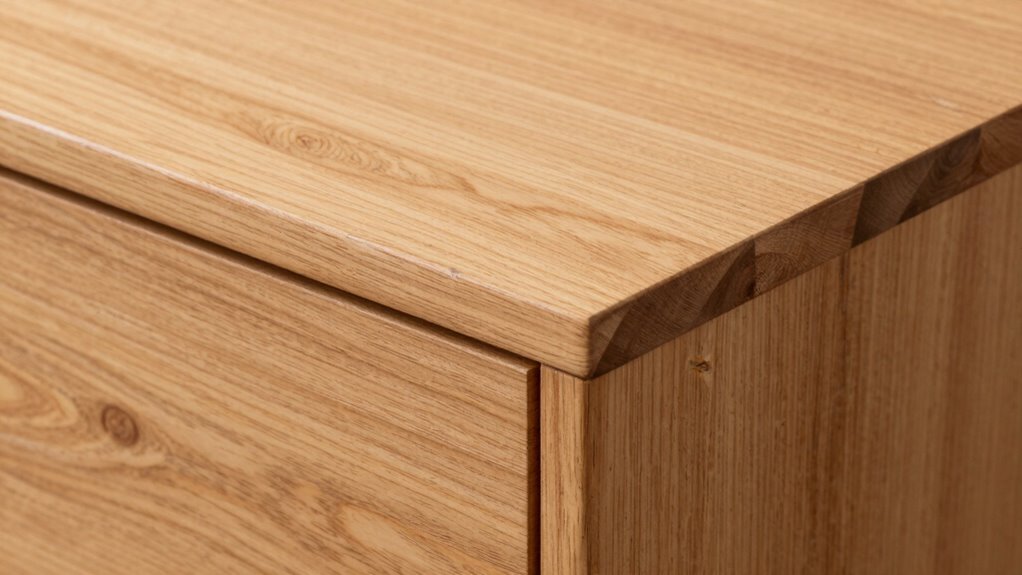

Softwood is a great choice for furniture when you want an affordable, natural look with distinctive grain patterns. It’s easy to work with and good for DIY projects or decorative pieces. However, it can be prone to dents, scratches, and warping if not finished properly or exposed to moisture. Softwood works best for light-use items or rustic styles—if you want to know when it’s ideal or its limits, keep exploring.

Get tools and workshop supplies delivered free — and shop member deals
- Fast, free delivery on millions of items
- Access to Prime Big Deal Days deals on October 6–7
- Prime Video, Amazon Music and more included
Key Takeaways
- Softwood is ideal for decorative, light-use furniture due to its aesthetic appeal and ease of finishing.
- It works best when properly sealed and finished to protect against dents, scratches, and moisture damage.
- Softwood tends to fail in heavy-use or high-traffic furniture needing long-term durability and structural strength.
- Its softer texture makes it prone to warping, swelling, and surface damage if exposed to moisture or rough handling.
- Proper selection, gentle sanding, and suitable finishes can enhance softwood’s performance and longevity in furniture projects.

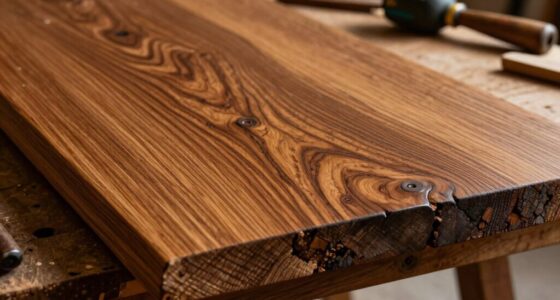
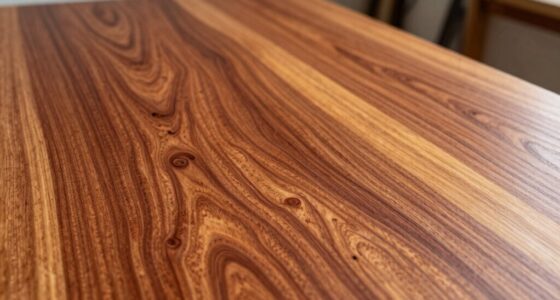
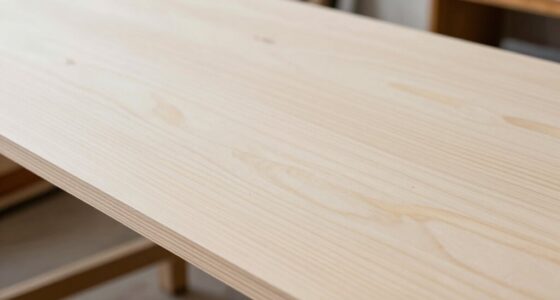
Ever wondered why softwood is a popular choice for furniture? It’s mainly because of its versatility and appealing aesthetic. Softwoods like pine, cedar, and fir often have a distinctive wood grain that adds character to any piece. The grain can be straight, wavy, or even knots-filled, giving your furniture a natural, organic look that’s difficult to achieve with harder woods. This variety in wood grain allows for creative finishing techniques, making softwood a favorite among DIYers and professional craftsmen alike. You can stain, paint, or seal softwood to emphasize its grain patterns or to create a smooth, uniform surface. The ease of working with softwood means you can apply finishing techniques more readily, enhancing the natural beauty or customizing the look to fit your style. Additionally, softwood tends to be more affordable and readily available, making it a practical choice for many projects.
However, softwood’s popularity doesn’t mean it’s always the best choice. Its softer nature makes it more susceptible to dents, scratches, and damage over time. If you’re aiming for furniture that needs to withstand heavy use or rough handling, softwood may not be the most durable option. It’s also more prone to warping or swelling when exposed to moisture, which can compromise the integrity of your furniture. That’s why understanding when softwood works and when it doesn’t is key to making the right decision for your project. For instance, softwood is excellent for decorative furniture, light-use pieces, or projects where you want to showcase a natural, rustic look. When you utilize appropriate finishing techniques—like applying protective sealants and using quality stains—you can appreciably improve the durability and appearance of softwood furniture.
On the flip side, softwood tends to be less suitable for items that require long-term structural strength or frequent movement. It’s also more challenging to achieve a perfectly smooth finish on softwood if you don’t have the right tools or techniques. Sanding softwood is easier than hardwood, but it can also be more delicate, so you need to be gentle to prevent gouging or uneven surfaces. Ultimately, softwood works best when you’re mindful of its limitations and leverage its strengths—its attractive wood grain and ease of finishing. When you select the right softwood for your project and use proper finishing techniques, you’ll end up with beautiful, functional furniture that showcases natural charm. Just remember, softwood isn’t a one-size-fits-all solution, but with careful planning, it can serve you well in many creative ways. Exploring wood properties can help you better understand how different woods perform and how to select the best type for your needs.
As an affiliate, we earn on qualifying purchases.
Frequently Asked Questions
What Are the Environmental Impacts of Softwood Harvesting?
You should know that softwood harvesting can impact the environment by contributing to deforestation if not done sustainably. Unsustainable practices lead to habitat loss, soil erosion, and reduced biodiversity. However, practicing sustainable harvesting minimizes these effects, ensuring forests can regenerate and support ecosystems. By choosing responsibly sourced softwood, you help reduce deforestation effects and promote healthier forests for future generations.
Can Softwood Be Easily Painted or Stained?
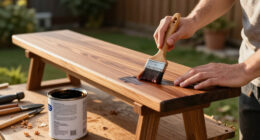
You might wonder if softwood is easy to paint or stain, and the answer is it can be tricky. Softwoods often pose paintability challenges because their porous surface absorbs stain unevenly, leading to blotchiness. To achieve a smooth finish, you need proper prep work and sealing techniques. Staining considerations include choosing the right wood conditioner. With patience and the right approach, softwood can become beautifully finished furniture.
How Does Softwood Compare to Hardwood in Durability?
You’ll find softwood is generally less durable than hardwood due to its finer grain patterns and lighter weight differences. Softwood tends to dent easily and wears faster over time, making it less ideal for high-use furniture. Meanwhile, hardwood offers a tougher surface and more resilient grain patterns, providing long-lasting durability. If you want furniture that withstands daily wear, hardwood is usually the better choice, though softwood works well for decorative or lightweight pieces.
Is Softwood Suitable for Outdoor Furniture?
Softwood can be suitable for outdoor furniture if you choose the right type, like cedar or redwood. These woods act like natural armor, offering good weather resistance. However, they still need regular maintenance, like sealing and staining, to fend off moisture and decay. Without proper care, softwood may not hold up over time. So, if you’re prepared for ongoing upkeep, softwood can bring rustic charm to your outdoor space.
What Are the Cost Differences Between Softwood and Hardwood?
You’ll find softwood generally costs less than hardwood, making it a budget-friendly choice. The price factors include wood species, quality, and availability. Softwoods like pine or cedar usually have a lower cost due to faster growth rates, while hardwoods like oak or maple are pricier because of their density and durability. When comparing costs, consider both the initial price and long-term durability to guarantee you choose the best option for your project.
Conclusion
So, when you choose softwood for furniture, it’s about weighing its lightness against its durability, its affordability against its longevity. It works when you prioritize ease of work, budget, and style, but it fails when you need strength, resistance, and lasting quality. Softwood offers versatility, but it demands care. Ultimately, understanding its strengths and weaknesses helps you make smarter choices—choosing what meets your needs, matching your expectations, and fitting your space.
Halloween Picks
halloween
As an affiliate, we earn on qualifying purchases.