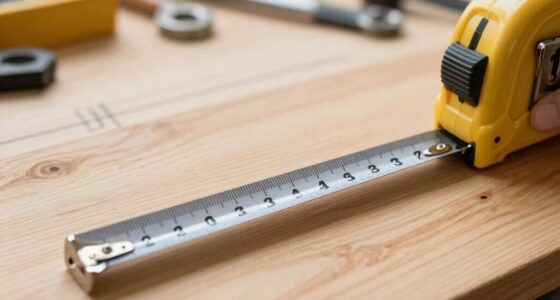

Story sticks give you a tactile, hands-on way to refine repeated cuts that digital apps struggle to match. With physical tools, you can instantly visualize your story flow, make intuitive decisions, and focus on emotional beats without getting distracted by menus or technical issues. These tools engage your senses and instincts, helping you stay connected to your storytelling goals. If you want to uncover more about why simplicity and touch can improve your editing process, keep going.
Key Takeaways
- Physical story sticks enable tactile, real-time adjustments, making repeated cuts more intuitive and immediate than digital interfaces.
- They foster focus on storytelling rhythm and emotional flow without digital distractions or technical glitches.
- The sensory engagement of story sticks enhances instinctive decision-making during multiple editing passes.
- Using physical tools maintains creative momentum by reducing lag, crashes, and interface complexity common in apps.
- Story sticks promote spontaneous, immersive editing, improving efficiency and internalization of narrative structure.
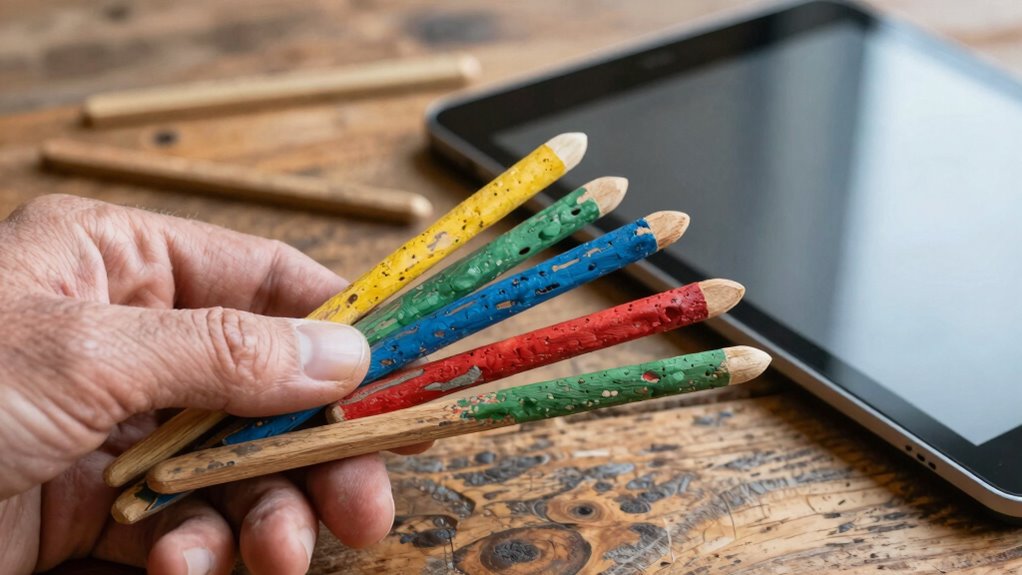
Despite the rise of digital editing apps, story sticks remain a trusted tool for filmmakers and editors when making repeated cuts. You might think that software offers the perfect solution, but story sticks bring a tactile, immediate connection to the editing process that apps often can’t replicate. When it comes to maintaining audience engagement, nothing beats physically manipulating a story stick. You can see the flow of your story in real time, quickly compare different versions, and make intuitive decisions without sifting through menus or screens. This hands-on approach keeps you focused on the narrative rhythm, helping you craft a story that resonates emotionally with viewers. Digital apps, while powerful, tend to distract you with their multitude of features, making it easy to lose sight of the core goal: engaging your audience.
Despite digital tools, physical story sticks keep editors focused, intuitive, and deeply connected to storytelling.
You also face technical limitations with apps that story sticks help you bypass. Digital tools depend heavily on hardware and software compatibility, processing power, and storage. Sometimes, you encounter lag, crashes, or interface bugs that slow down your workflow. These issues can break your concentration and disrupt your creative momentum, especially when you’re making multiple cuts and adjustments. With story sticks, you eliminate these technical hiccups. Your work is tactile and immediate—no need to worry about software glitches or system updates. This simplicity allows you to focus solely on the storytelling, rather than troubleshooting technical problems that can steal your attention and break your flow. Additionally, the tactile nature of story sticks fosters a more visceral connection to your material. When you physically move a stick, you engage your senses and instincts, which can lead to more instinctive editing decisions. You’re not just clicking through digital timelines; you’re feeling the weight and placement of each cut, which helps you judge pacing and emotional beats more intuitively. This can be especially valuable during repeated cuts, where subtle shifts can significantly impact audience engagement. The physical act of moving a story stick helps you internalize the story’s rhythm and emotional beats more deeply, giving you a nuanced understanding that’s harder to achieve with a screen. Moreover, the simplicity of physical tools means you can focus completely on the story without the distractions of digital interfaces, making your editing process more efficient and immersive. In addition, many editors find that working with tangible tools encourages a more creative and spontaneous workflow compared to digital editing.
As an affiliate, we earn on qualifying purchases.
Frequently Asked Questions
How Do Story Sticks Improve Precision Over Digital Apps?
Story sticks improve your precision by allowing manual marking directly on the material, giving you tactile feedback that digital apps can’t match. You can see and feel visual consistency more easily, ensuring each cut aligns perfectly with your plan. This hands-on approach helps you maintain accuracy during repeated cuts, reducing errors and speeding up your workflow. The physical presence of a story stick keeps your measurements clear and consistent throughout your project.
Are Story Sticks More Cost-Effective Than Editing Apps?
You’ll find story sticks more cost-effective than editing apps because they save you from endless software subscriptions and updates. Plus, their material durability means you can reuse them countless times without buying replacements. While apps promise high-tech precision, story sticks deliver tangible cost savings with simple, reliable tools. So, for repeated cuts, sticking to sticks keeps your budget intact while avoiding digital headaches and pricey licenses.
Can Story Sticks Be Used for Digital Editing Workflows?
Yes, you can use story sticks in digital editing workflows. Their history in traditional storytelling, where they helped visualize narratives, makes them adaptable for digital projects. You might use a physical story stick to plan and communicate scene sequences before filming or editing. This hands-on method keeps your storytelling grounded, ensuring clarity and consistency, even when working with modern editing tools. It’s a practical bridge between tradition and technology.
What Materials Are Best for Making Durable Story Sticks?
You should use hardwoods like maple or oak for durable story sticks, as they offer exceptional material longevity. Studies show traditional craftsmanship results in tools that last up to 50% longer. These materials withstand repeated use better than softwoods or plastic, ensuring your story sticks stay intact through countless edits. Choosing high-quality, dense wood not only preserves their integrity but also makes your workflow more reliable and efficient.
How Do Story Sticks Impact the Speed of Editing Projects?
Story sticks boost your editing speed by providing quick, reliable manual measurement and visual cues. Instead of constantly checking digital timelines, you can easily compare cuts directly on the stick, saving time and reducing errors. This tactile approach streamlines your workflow, especially for repeated cuts, because you quickly identify precise points without switching screens or relying on digital tools, making your editing process faster and more efficient.
Conclusion
So, next time you’re editing, remember that story sticks are like trusted old friends—familiar and reliable. They guide your hands smoothly through each cut, making the process feel natural, like a river carving its way through stone. Apps can be helpful, but nothing beats the tactile connection and quick recall of a story stick. Stick with what works, and your edits will flow effortlessly, turning your vision into reality with the ease of a gentle stream.