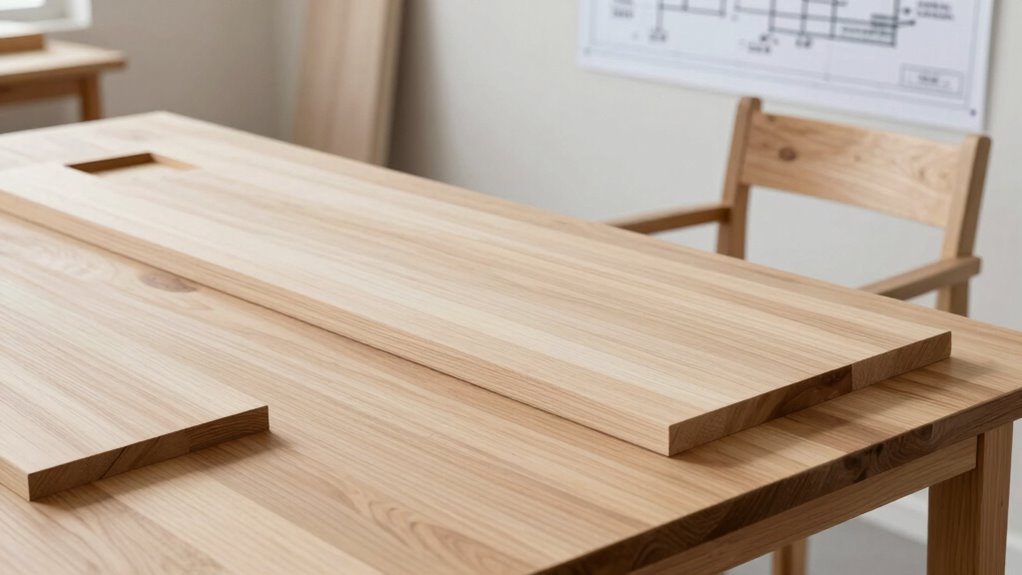
Using a clear, simple layout in furniture building helps you see the whole project at a glance, reducing guesswork and mistakes. It guides your steps, makes communication easier, and helps you focus on what really matters—durability, comfort, and style. Fancy math can complicate things and lead to over-engineering, which isn’t always necessary. Sticking to straightforward layouts keeps your process smooth and enjoyable—if you want to discover how this approach improves your work, keep exploring.

Get tools and workshop supplies delivered free — and shop member deals
- Fast, free delivery on millions of items
- Access to Prime Big Deal Days deals on October 6–7
- Prime Video, Amazon Music and more included
Key Takeaways
- Clear layouts provide a straightforward blueprint, reducing guesswork and ensuring accurate assembly without complex calculations.
- Simplified designs enhance communication among team members and suppliers, avoiding misunderstandings.
- Emphasizing visual clarity improves component integration and overall furniture quality.
- Clean layouts streamline workflow, minimize errors, and reduce time and resource waste.
- Prioritizing simplicity fosters durable, functional furniture aligned with user needs over unnecessary complexity.
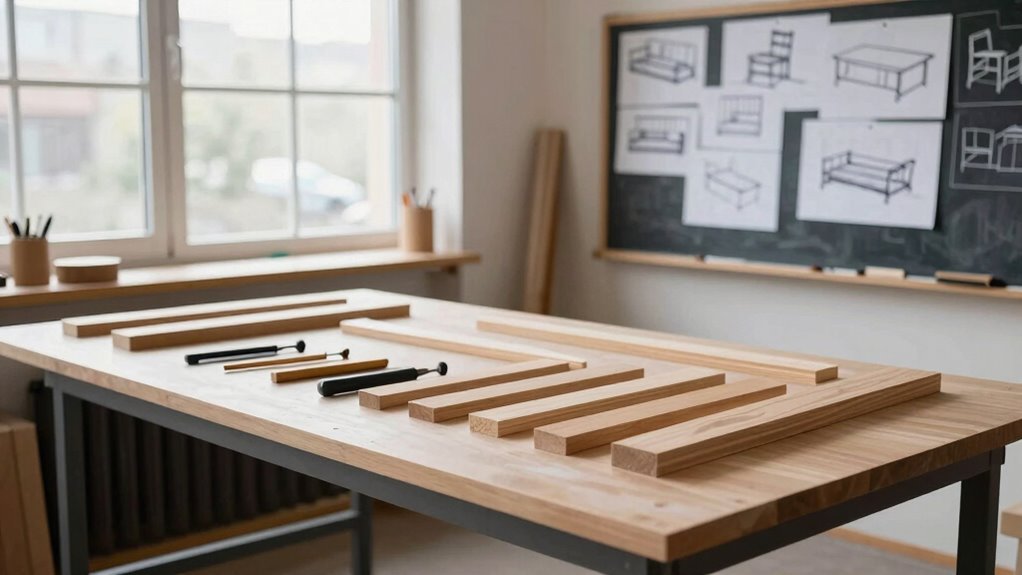
When your layout is clear, selecting durable, sustainable, or aesthetically pleasing materials becomes a more confident decision, leading to a better end product. A clean layout acts as your blueprint, guiding each step of the process. It minimizes guesswork and helps you visualize the final outcome early on. With fewer distractions and unnecessary complexity, you can better allocate your resources to the essential aspects of the build. This clarity keeps your project on track and reduces the chances of costly mistakes. Moreover, a straightforward plan simplifies communication if you’re working with others or sourcing materials, because everything is laid out logically and transparently. Additionally, visual clarity in your design process is crucial for understanding how all components work together effectively. Recognizing the importance of simple design principles can also improve the overall quality of your furniture, making the process more enjoyable and less stressful. By focusing on clear planning, you can streamline your workflow and avoid the pitfalls of overcomplication. Ultimately, the reason clean layouts beat fancy math in furniture building is that they keep your focus on what truly matters: creating a piece that’s functional, comfortable, and visually appealing. Complexity might seem impressive in theory, but when it comes to actual building, clarity and simplicity are your best allies. They help you produce furniture that’s well-designed, durable, and tailored to your needs without the headache of overcomplicated calculations. Incorporating basic engineering concepts can further enhance the stability and longevity of your furniture, ensuring it remains both beautiful and practical over time. Being aware of design thinking principles can also inspire more innovative and user-centered solutions throughout your project.
As an affiliate, we earn on qualifying purchases.
Frequently Asked Questions
How Does a Clean Layout Improve Furniture Durability?
A clean layout improves furniture durability by prioritizing aesthetic simplicity and structural integrity. When you keep the design straightforward, you reduce weak points and unnecessary stress on joints or materials. This clarity guarantees that the force distributes evenly, preventing warping or breaking over time. You’ll find that simple, well-organized layouts are easier to assemble, maintain, and less prone to failure, making your furniture last longer and stay beautiful.
Can Simple Designs Be More Cost-Effective Than Complex Math?
A simple design often proves more cost-effective than complex math, because “less is more.” By focusing on design simplicity, you cut down on material costs, reduce manufacturing time, and minimize errors. These cost savings make your furniture more affordable without sacrificing quality. Plus, clean, straightforward layouts are easier to assemble, maintain, and adapt, ensuring you get durable, attractive furniture that fits your budget.
What Tools Assist in Creating a Clean Furniture Layout?
You can use tools like space planning software and ergonomic design apps to create a clean furniture layout. These tools help you visualize the arrangement, optimize space, and guarantee comfort. By focusing on ergonomic principles, you make your furniture functional and user-friendly. Digital tools streamline the process, allowing you to experiment with different layouts quickly and efficiently, guaranteeing a clean, organized design that suits your space and needs perfectly.
How Do Customer Preferences Influence Layout Choices?
Customer preferences greatly influence your layout choices, as their feedback reveals what they value most. If they favor aesthetic simplicity, you’ll prioritize clean, straightforward designs that emphasize functionality without clutter. By listening to their input, you can tailor layouts that meet their needs and tastes, ensuring satisfaction. This focus on customer feedback helps you create furniture arrangements that are both appealing and practical, aligning with their desires for simplicity and elegance.
Are There Specific Types of Furniture Better Suited for Clean Layouts?
You’ll find that furniture with minimalist aesthetics, like sleek sofas or simple tables, suits clean layouts best. These pieces emphasize space optimization, making rooms feel open and uncluttered. Avoid bulky or overly ornate furniture, as they can disrupt the clean, streamlined look. Instead, choose versatile, multi-functional pieces that enhance the minimalist vibe while maximizing every inch of your space, creating a harmonious and functional environment.
Conclusion
A clean layout is like a sturdy foundation—simple yet essential. It guides your hands and keeps chaos at bay, proving that elegance often lies in clarity rather than complexity. When you focus on straightforward design, you’re building more than furniture—you’re crafting trust and harmony. In the end, it’s not the flashy calculations that make your piece stand tall, but the quiet strength of a well-laid plan, standing as a symbol of your craftsmanship.
Fall Picks
fall essentials
As an affiliate, we earn on qualifying purchases.