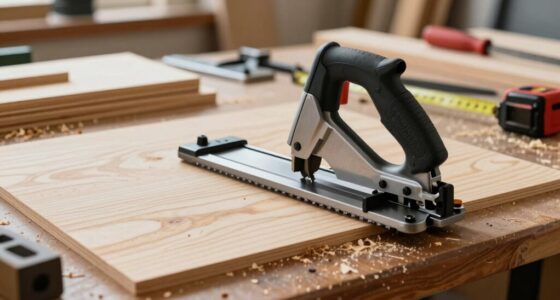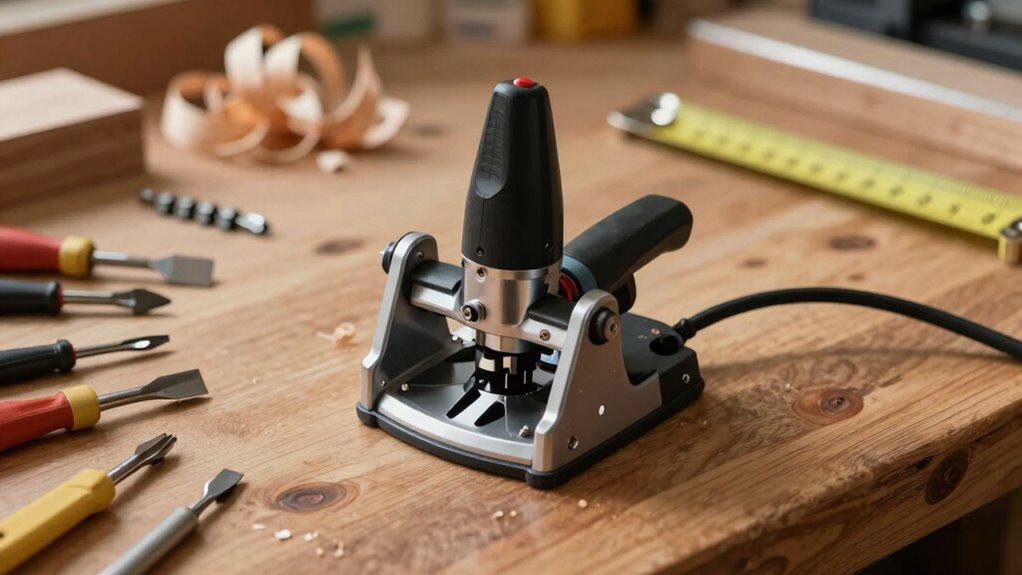

Trim routers earn a permanent place in many shops because they’re compact and versatile, making them ideal for various woodworking projects. Whether you’re a beginner or a seasoned woodworker, these tools help with precision edging and intricate tasks in tight spaces. They’re user-friendly and budget-friendly, providing impressive results without breaking the bank. With proper care, trim routers enhance your skills and reliability. You’ll find out more about their advantages and maintenance tips next.

Get business pricing on tools and workshop supplies
- Business-only prices and quantity discounts
- Tax-exempt purchasing
- Multiple users, one account, clear invoices
Key Takeaways
- Trim routers are compact and user-friendly, making them suitable for woodworkers of all skill levels.
- Their versatility allows for decorative edging, grooves, and intricate tasks in various projects.
- Budget-friendly options provide quality performance, making them accessible for beginners and seasoned woodworkers alike.
- Regular maintenance ensures longevity and consistent results, enhancing overall woodworking efficiency.
- Consistent use of trim routers develops skills, making them invaluable tools in any workshop.
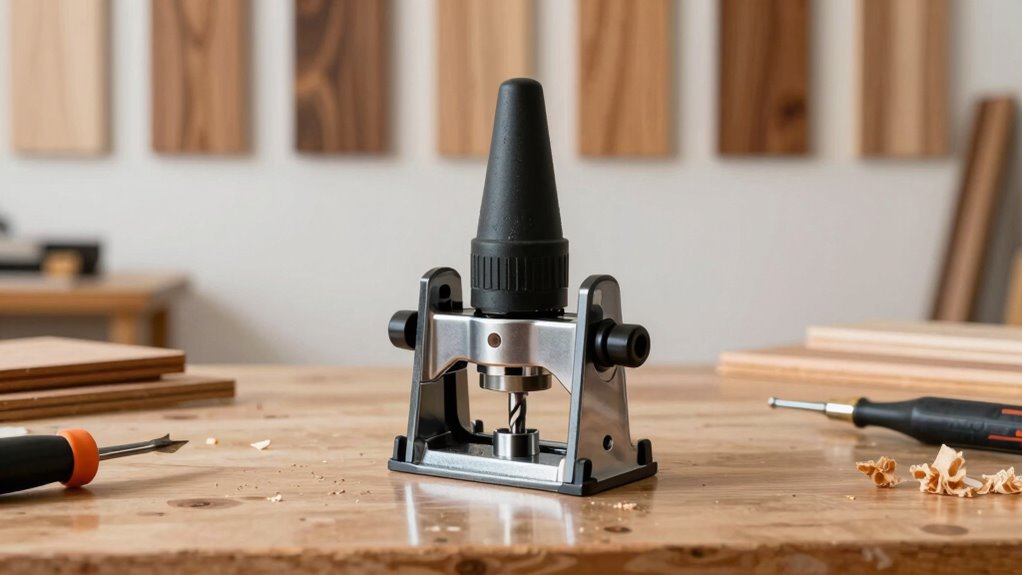
When you’re working in a shop, having the right tools makes all the difference, especially when it comes to trim routers. These compact tools aren’t just for seasoned woodworkers; they’re user-friendly enough for anyone looking to enhance their projects. Their compact design allows you to maneuver easily, making them perfect for tight spaces and intricate tasks. Whether you’re shaping edges or hollowing out wood, trim routers deliver with precision edging that elevates your craftsmanship.
One of the standout features of trim routers is their versatility. You can use them for a wide range of applications, from decorative edges to creating grooves for joinery. This adaptability makes them invaluable in any workshop. Plus, if you’re working on small to medium projects, you’ll find they’re often more convenient than larger routers, freeing up space and minimizing clutter. The portability advantages of trim routers mean you can take them to job sites or use them in various setups without hassle.
Trim routers offer exceptional versatility, making them perfect for decorative edges and joinery while saving space and enhancing portability in any workshop.
If you’re new to woodworking or just starting to build your toolkit, trim routers present budget-friendly options. You don’t need to invest in the most expensive models to get impressive results. Many affordable choices still come with great features that make your woodworking experience smoother. It’s easy to find a model that fits your budget while still delivering the quality you need for precision work.
To maximize the woodworking benefits of your trim router, consider a few maintenance tips. Keeping your bits sharp and regularly cleaning the base will enhance performance and prolong the tool’s lifespan. Be sure to check the power cord and other components for wear and tear, as this can help avoid issues down the road. Proper tool maintenance can significantly extend the life of your equipment, ensuring consistent results. Regular cleaning and inspection are especially important because wear and tear can affect safety and effectiveness. Additionally, understanding woodworking techniques can help you achieve more refined results with your trim router. A little bit of care goes a long way in ensuring your trim router remains a reliable companion for years to come.
As an affiliate, we earn on qualifying purchases.
Frequently Asked Questions
What Materials Can I Use With a Trim Router?
You can use a trim router on various wood types, including softwoods like pine and hardwoods like oak. It’s perfect for shaping edges and creating decorative profiles. Pair it with the right router bits, like straight bits for grooves or round-over bits for rounded edges, to achieve different effects. Always choose bits suited for the material to guarantee clean cuts and prevent damage. With the right setup, you’ll get great results every time!
How Do I Maintain My Trim Router for Longevity?
Think of your trim router as a trusty steed; proper care keeps it running smoothly. For longevity, regularly clean the bits and base, ensuring no debris builds up. Lubricate moving parts with light oil, and check the power cord for wear. Follow these maintenance tips, and you’ll avoid costly repairs. Store your router in a dry place to prevent rust. With consistent router care, you’ll enjoy your tool for years to come!
Are Trim Routers Suitable for Beginners?
Yes, trim routers are great for beginners! Their lightweight design and user-friendly router features make them easy to handle. You can tackle a variety of beginner projects, like edge profiling or creating decorative cuts, without feeling overwhelmed. Plus, their compact size allows for precision work in tight spaces. Just remember to practice safety and start with simpler tasks to build your confidence and skills as you go along.
Can Trim Routers Be Used for Edge Banding?
Yes, you can use trim routers for edge banding. They’re perfect for applying edge banding techniques on various materials, providing clean and precise finishes. With their lightweight design and maneuverability, you’ll find it easier to navigate curves and corners. Plus, the trim router benefits include versatility and speed, allowing you to complete projects efficiently. So, if you’re looking to enhance your woodworking skills, a trim router is a solid choice for edge banding.
What Safety Gear Should I Wear While Using a Trim Router?
When you’re using a trim router, it’s like stepping into a high-speed race—safety gear is your pit crew! You can’t afford to skimp on protective equipment. Always wear safety glasses to shield your eyes from flying debris, ear protection to guard against noise, and a dust mask to avoid inhaling sawdust. Don’t forget gloves for grip, but make sure they’re snug to prevent snagging. Router safety isn’t just important; it’s essential for a smooth ride!
Conclusion
So, while you might think a trim router’s small size limits its capabilities, the irony is that it’s often the unsung hero in your shop. These compact tools bring precision and versatility, proving that big things can indeed come in small packages. You might overlook them, but they consistently elevate your projects, turning simple tasks into polished masterpieces. In the end, it’s the little things that make the biggest impact—who knew such a tiny tool could become your go-to?
Fall yard work Picks
leaf blowers
As an affiliate, we earn on qualifying purchases.