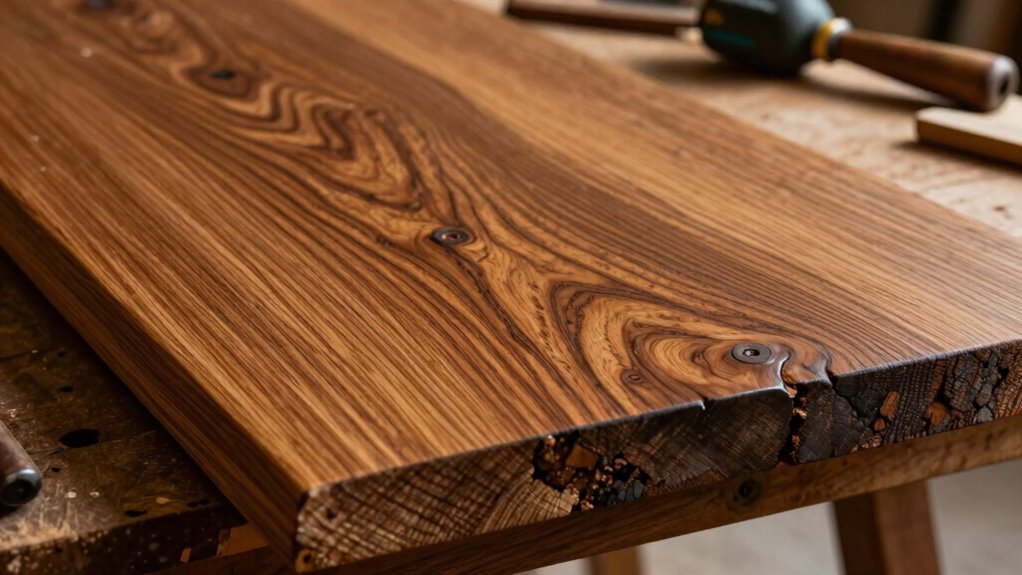

Oak remains the top choice for serious wood projects because of its unmatched durability and timeless appeal. Its strong grain provides visual interest and withstands the test of time, developing a rich patina as it ages. Oak suits many styles, from traditional to modern, and aligns well with sustainable practices. Its long history in craftsmanship adds authenticity and value. If you want to explore what makes oak so enduring, keep going—you’re about to discover more.
Key Takeaways
- Its exceptional durability ensures long-lasting, reliable results for furniture, flooring, and cabinetry.
- The prominent grain and natural color enhance aesthetic versatility across various design styles.
- A rich historical tradition adds authenticity and timeless appeal to projects.
- It develops a beautiful patina over time, increasing its visual and sentimental value.
- Sustainable sourcing and cost-effectiveness make it an eco-friendly choice for serious woodworking.
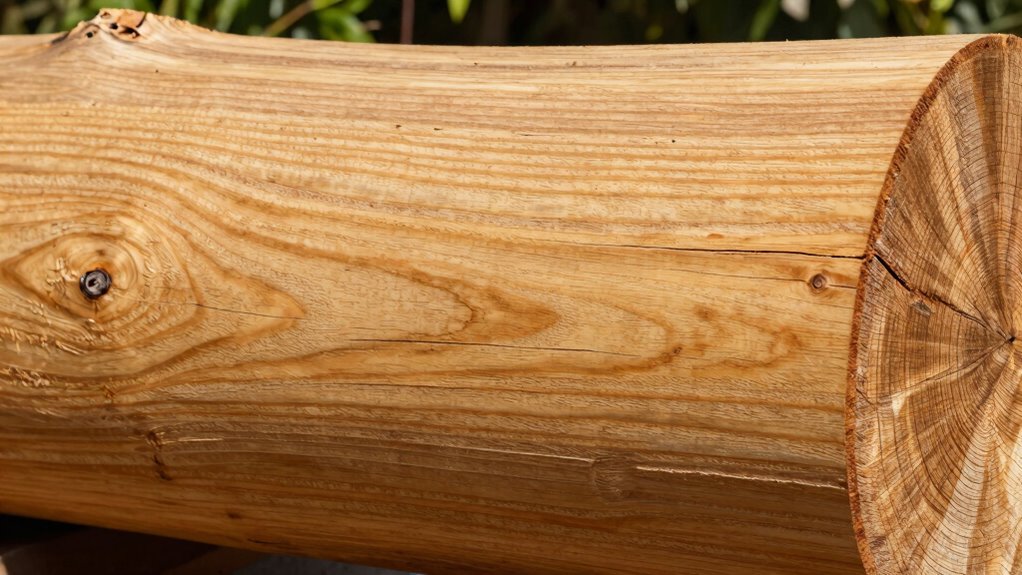
Oak has long been a favorite choice for wood projects because of its durability and attractive grain. When you work with oak, you immediately notice its hearty, prominent grain pattern that adds visual interest and character to any piece. Its strength makes it a reliable option for furniture, flooring, and cabinetry, where longevity is essential. But beyond its physical qualities, oak’s aesthetic versatility allows it to suit a wide range of design styles, from traditional to modern. You can stain it to deepen its rich hue or leave it natural to showcase its raw, natural beauty. This adaptability means oak can seamlessly fit into various interior themes, whether you prefer rustic charm, classic elegance, or contemporary minimalism. Many people choose oak because it doesn’t just look good; it also carries a deep historical significance. When you select oak for your project, you’re connecting to centuries of craftsmanship and tradition. Oak has been used in building and furniture-making for thousands of years, from medieval castles to colonial homes. Its enduring presence in history gives your work a sense of timelessness and authenticity. You can feel confident that your oak piece isn’t just a fleeting trend but a part of a long-standing tradition of quality and resilience. Working with oak also means you’re investing in a material that ages gracefully. Over time, the wood develops a patina that enhances its natural beauty, adding depth and warmth. This quality makes it especially appealing for heirloom furniture or any project meant to last a lifetime. Its ability to age well ensures your work remains attractive and relevant, regardless of changing design trends. Additionally, oak’s timeless appeal is rooted in its long history and proven durability, making it a top choice among craftsmen and homeowners alike. When selecting materials, understanding the sustainability of oak can help ensure your project aligns with environmentally responsible practices. Moreover, recognizing the cost-effectiveness of oak can also influence your decision, as its durability often means fewer replacements over time. Furthermore, advances in sustainable forestry practices have improved the environmental friendliness of oak, making it a more responsible choice for eco-conscious consumers. In the end, oak’s dominance in serious wood projects stems from a combination of its physical durability, aesthetic versatility, and rich historical importance. It offers a unique blend of beauty and resilience that makes oak a top contender for those who want their projects to stand the test of time. When you choose oak, you’re not just selecting a piece of wood — you’re embracing a tradition of craftsmanship that endures. Its timeless appeal and proven strength continue to make oak a top contender for those who want their projects to stand the test of time.

HOMELEGEND Gunstock White Oak 3/8 in. T x 5 in. W Engineered Hardwood Flooring (19.7 sqft/case) HL324H
- Affordable quality tools: Great tools at a great price
As an affiliate, we earn on qualifying purchases.
As an affiliate, we earn on qualifying purchases.
Frequently Asked Questions
How Sustainable Is Oak Compared to Other Hardwoods?
Oak is quite sustainable compared to other hardwoods, thanks to its robust growth rate and well-established harvesting practices. Its environmental impact remains relatively low when managed responsibly, ensuring forests regenerate naturally. You can feel confident choosing oak, as sustainable harvesting practices help preserve ecosystems. While some hardwoods are slower to replenish, oak’s quick growth makes it a more eco-friendly option, supporting long-term forest health and reducing environmental harm.
What Are the Common Finishes Used on Oak Projects?
Imagine stepping back in time to when craftsmanship mattered. You’ll find that oak projects commonly feature finishes like clear varnishes, oil-based polyurethane, and natural waxes. These finishes enhance the wood grain’s beauty and protect against wear. Color staining is often used to deepen or change oak’s natural hue, highlighting its rich texture. Whether matte or glossy, these finishes give oak projects a durable, eye-catching, and timeless appearance.
Can Oak Be Recycled or Reused Effectively?
Yes, oak can be recycled and reused effectively. You can apply recycling techniques like sanding, planing, and repurposing to give old oak wood a new life. Reuse benefits include reducing waste, conserving resources, and maintaining its sturdy, attractive appearance. By selecting creative projects or refurbishing existing pieces, you maximize oak’s longevity, making it a sustainable choice for your woodworking endeavors.
How Does Oak Perform in Outdoor Furniture?
Outdoor oak offers outstanding durability due to its natural weather resistance, making it a popular choice for furniture. You’ll find it withstands rain, sun, and snow better than many other woods. However, it does require regular maintenance—like sealing and oiling—to keep its beauty and prevent cracking or warping. With proper care, your oak furniture will endure outdoor elements and maintain its charm for years to come.
Are There Different Types of Oak Suitable for Specific Projects?
Yes, different oak types suit specific projects. For example, white oak is great for outdoor furniture because of its water resistance, while red oak offers a beautiful finish for indoor furniture. When you harvest acorns, you’re supporting oak tree growth, which guarantees a steady supply of quality wood. Understanding these differences helps you choose the right oak, whether you’re crafting durable outdoor pieces or elegant indoor accents.
Conclusion
You’ve seen how oak’s durability and timeless appeal keep it at the top for serious wood projects. Did you know that oak accounts for nearly 50% of hardwood flooring in the U.S.? That’s a clear sign of its lasting popularity. So, whether you’re building furniture or flooring, oak’s strength, beauty, and proven track record make it the smart choice. Stick with oak — it’s a true classic that never goes out of style.