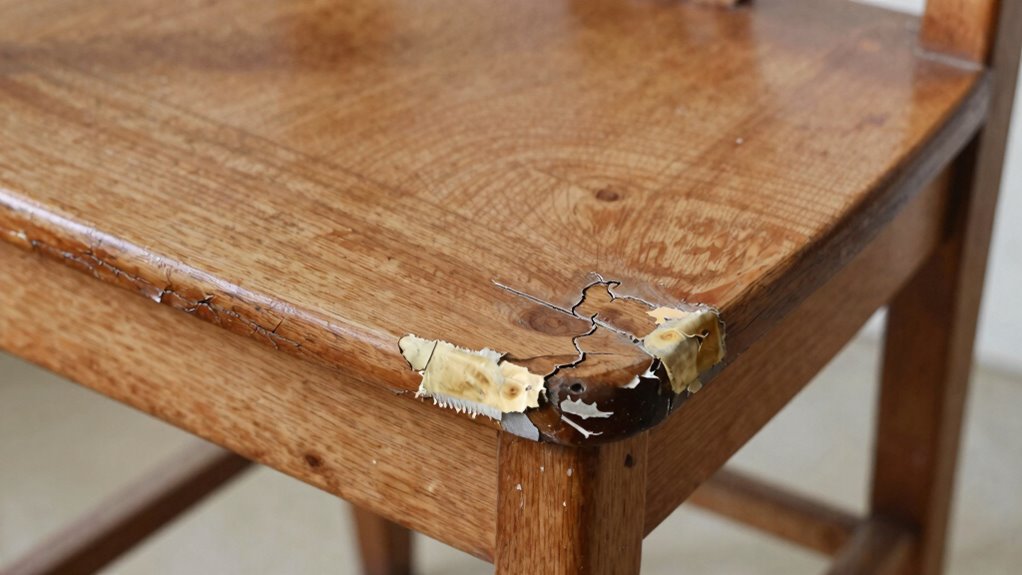

When a small furniture repair fails the second time, it’s usually because you overlooked key issues like using incompatible materials or rushing through the process. If you don’t properly prepare the surface or choose the right adhesives, the repair won’t last long. Environmental factors like moisture or sunlight can also weaken the fix over time. To avoid repeating these mistakes, understanding proper techniques and material choices is essential—there’s more to learn that can help you get it right the next time.
Key Takeaways
- Incompatible materials used initially may weaken the repair and cause failure upon reassembly.
- Improper surface preparation leads to weak bonds that deteriorate over time.
- Rushing or skipping essential steps during the repair process compromises long-term durability.
- Environmental factors like moisture or UV exposure accelerate repair degradation.
- Material mismatches and poor techniques result in recurring issues during subsequent repairs.
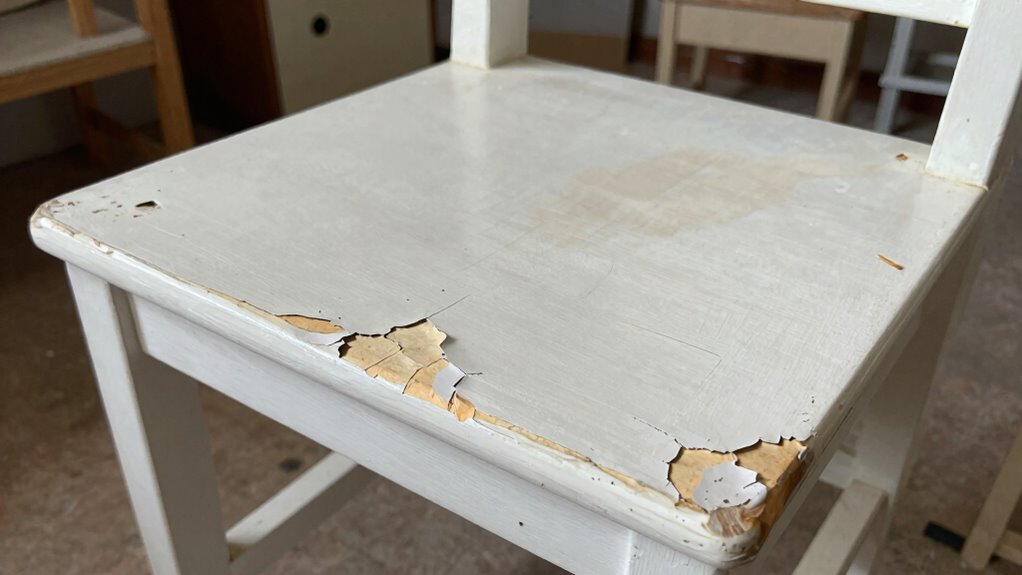
Many small furniture repairs seem successful at first, but they often fail the second time around, leaving you frustrated and out of pocket. One of the main reasons is material mismatches. When you try to fix a piece with incompatible materials—like using a different type of wood, glue, or finish—you risk creating issues that only become apparent later. For example, replacing a broken leg with a different kind of wood might seem fine initially, but over time, differences in expansion rates or staining can cause the repair to stand out or even break again. Material mismatches weaken the integrity of your fix, making it more prone to failure down the line. Additionally, material compatibility plays a crucial role in ensuring your repair lasts longer. Improper techniques also play a significant role in the recurring failure of small repairs. If you don’t follow proper procedures—such as not cleaning surfaces thoroughly before gluing, applying too little or too much adhesive, or rushing the drying process—you compromise the repair’s strength. For instance, using too much glue can cause it to ooze out and weaken the bond, while insufficient glue might not hold the pieces together firmly enough. Rushing the repair without allowing adequate curing time can leave the joint weak and vulnerable to stress or movement. When you cut corners or skip essential steps, the repair may seem fine initially but will likely fall apart after some use. Proper surface preparation is essential for creating a strong bond and preventing failure over time. Neglecting to account for material properties such as expansion and contraction can also lead to repair failure. Additionally, ignoring surface preparation—like sanding or cleaning—can prevent adhesives from bonding properly, making the repair less resilient. Furthermore, environmental factors such as moisture exposure or UV light can accelerate deterioration even in well-executed repairs, emphasizing the importance of protective finishes.
As an affiliate, we earn on qualifying purchases.
Frequently Asked Questions
How Can I Tell if a Repair Is Likely to Fail Again?
You can tell if a repair might fail again by checking the wood’s stability and moisture effects. If the wood feels soft, warped, or shows signs of ongoing expansion and contraction, the repair may not hold. Moisture issues can weaken the fix over time, so make certain the furniture is kept in a stable environment. If the original damage was caused by moisture, addressing that issue first helps prevent future failures.
Are There Specific Materials That Cause Repairs to Fail?
Think of your furniture like a ship’s hull—some materials just don’t hold up. Wood glue can weaken over time if exposed to moisture, causing repairs to fail. Metal fasteners might loosen or corrode, especially in humid environments. Using incompatible materials, like relying solely on glue with heavy loads or cheap fasteners, increases failure risk. To guarantee longevity, choose durable adhesives and high-quality fasteners suited for your furniture’s material.
What Tools Are Best for Long-Lasting Furniture Repairs?
You should use high-quality wood glue for durable repairs, ensuring it bonds well and dries completely. Pair this with the right sandpaper grit—start with a coarser grit to smooth rough edges, then switch to a finer grit for a seamless finish. These tools help create a strong, long-lasting repair. Proper preparation and patience during sanding and gluing make your furniture last longer and resist failure over time.
How Do I Choose a Reliable Professional for Repairs?
Choosing a reliable professional for furniture restoration is like selecting a trusted guide through a forest. Look for specialists with solid repair warranties, showing confidence in their work. Check reviews and ask for before-and-after photos to gauge their skill. A reputable repair expert will listen to your needs, provide clear timelines, and stand behind their work. Trust your instincts, and don’t compromise—quality furniture restoration deserves a true craftsman.
Can DIY Repairs Be More Durable Than Professional Ones?
DIY repairs can sometimes be more durable than professional ones if you avoid common DIY pitfalls. When you carefully follow instructions, use proper tools, and select quality materials, your repair’s longevity increases. However, mistakes like improper adhesion or unsealed joints can compromise durability. If you’re confident and attentive, DIY can match professional results, but rushing or lack of experience may lead to repairs that don’t last as long.
Conclusion
Ultimately, understanding why small furniture repairs often fail the second time helps you avoid repeated frustrations. Remember, studies show that up to 60% of furniture repairs don’t last beyond the first year, mainly due to improper techniques or using low-quality materials. By investing in proper repair methods and quality supplies, you increase your chances of a lasting fix. So, take your time and do it right the first time—you’ll save money and frustration in the long run.