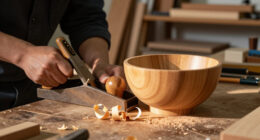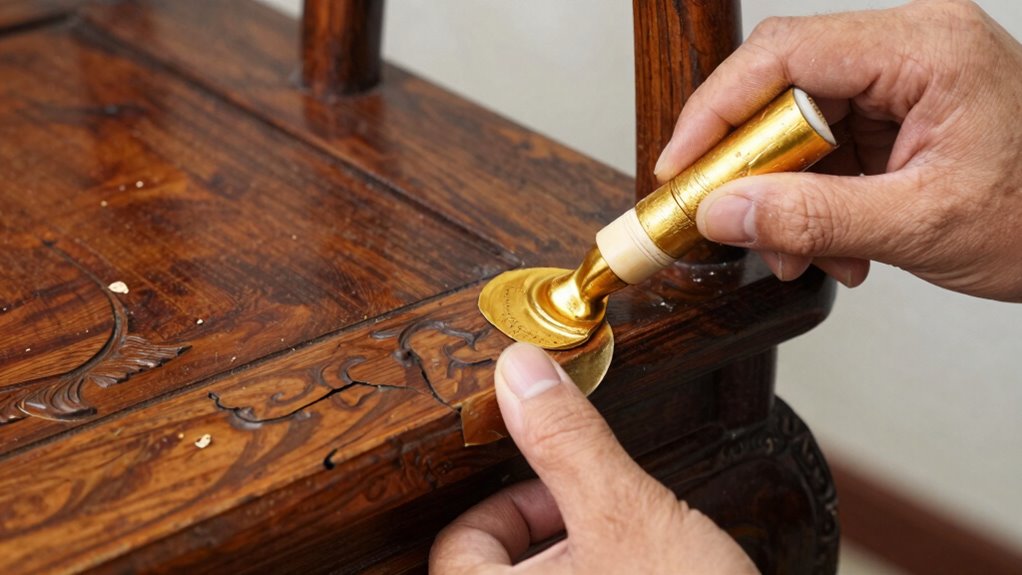

To make antique pieces feel stable again, begin by carefully evaluating the damage, checking for cracks, loose joints, or missing parts. Use gentle cleaning and appropriate adhesives to stabilize loose joints and fill cracks with compatible materials that blend seamlessly. Focus on preserving the piece’s authenticity by choosing traditional, high-quality materials and techniques. Patience and attention to detail are key for effective repairs. Keep exploring these steps to learn how to restore your antique with care and respect.

Get business pricing on tools and workshop supplies
- Business-only prices and quantity discounts
- Tax-exempt purchasing
- Multiple users, one account, clear invoices
Key Takeaways
- Conduct a thorough assessment to identify structural damage and determine appropriate repair methods.
- Use compatible, traditional materials like natural fillers and appropriate adhesives for stable repairs.
- Stabilize loose joints carefully with suitable adhesives to restore structural integrity.
- Fill cracks or missing parts with seamless, historically accurate inlays to maintain authenticity.
- Focus on gentle cleaning and careful restoration techniques to ensure durability and aesthetic harmony.

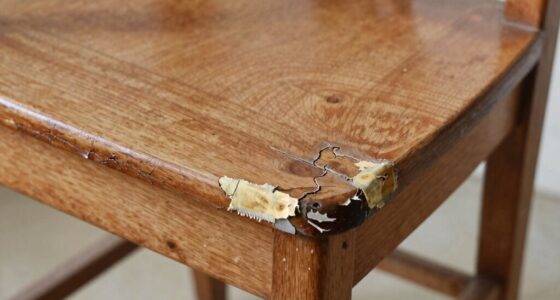
When something breaks, understanding the repair process can help you restore your item efficiently and with less frustration. Restoring antique pieces isn’t just about fixing the damage; it’s about preserving their integrity and value. To do that effectively, you need to be familiar with essential restoration techniques and how to choose the right materials. The goal is to make your antique feel stable again, and that starts with evaluating the damage carefully. Look for cracks, loose joints, or missing parts, and determine whether the damage is superficial or affects the structure. This initial step guides your approach and helps you avoid unnecessary repairs that could compromise the piece’s authenticity.
Once you understand the extent of the damage, the next step involves selecting appropriate restoration techniques. For fragile or intricate areas, gentle cleaning and consolidation are key. You might need to stabilize loose joints with adhesives designed specifically for antique wood or materials, ensuring you don’t cause additional harm. When it comes to cracks or chips, careful filling using compatible fillers or inlays can restore shape without sacrificing the piece’s vintage appeal. Precision is essential here; you want the repairs to blend seamlessly, so your antique still looks authentic and feels sturdy. If any parts are missing or severely damaged, recreating them using historically accurate methods and materials is necessary for maintaining the piece’s integrity. Additionally, understanding the repair process can help you make informed decisions that preserve the piece’s authenticity and structural stability. Recognizing the importance of material compatibility can further improve the longevity of your repairs by ensuring all components work harmoniously over time.
Choose gentle cleaning, stabilize loose joints, and carefully fill cracks with compatible materials for seamless, authentic repairs.
Material selection plays an important role throughout the process. Choosing the right materials isn’t just about matching the appearance; it’s about compatibility and longevity. For example, using modern plastics or synthetics might seem convenient, but they can be incompatible with older materials and cause long-term issues. Instead, opt for traditional, high-quality materials like real wood veneers, natural fillers, or historically appropriate adhesives. These choices ensure your repair is durable and respects the original craftsmanship. Proper material selection also involves considering the piece’s age and condition. For instance, aged wood may require special conditioners or stabilizers before you can proceed with repairs, preventing future cracking or warping. Additionally, understanding the conservation techniques can help you avoid damaging delicate surfaces while performing repairs. This knowledge of restoration methods is essential to ensure that repairs are not only effective but also respectful of the antique’s history. Throughout the repair process, patience and attention to detail are your best tools. Each step, from cleaning and stabilizing to filling and finishing, contributes to the overall stability and aesthetic of your antique. When you combine effective restoration techniques with careful material selection, you’re not just fixing a broken piece—you’re revitalizing a piece of history. This thoughtful approach ensures your antique remains a treasured, stable piece for years to come, providing both beauty and stability in your collection or home.
antique furniture repair adhesives
As an affiliate, we earn on qualifying purchases.
As an affiliate, we earn on qualifying purchases.
Frequently Asked Questions
How Long Does the Repair Process Typically Take?
The repair process usually takes anywhere from a few days to several weeks, depending on the extent of damage and the complexity of the piece. You should set realistic timeframe expectations, as delicate restorations require careful work. The repair timeline may be longer if specialized techniques or materials are needed. Communicate with your restorer to get a clearer estimate, and remember patience guarantees the best results for your treasured antique.
What Types of Antiques Can Be Repaired?
You might be surprised to learn almost any antique can be repaired, from delicate porcelain to sturdy wood furniture. Using specialized restoration techniques, skilled artisans work with various antique materials, carefully restoring each piece’s original charm and stability. Whether it’s a fragile ceramic or an ornate wooden cabinet, your treasured items can often be brought back to life, preserving their history and beauty for generations to come.
Is Restoration Reversible if I Change My Mind?
Restoration can be reversible, but it depends on the techniques used and restoration ethics. If you change your mind, a skilled restorer can often undo or adjust work without damaging the original piece. However, reversibility concerns are crucial in conservation, ensuring future generations can study the piece in its original state. Always discuss your preferences with a professional, so they can tailor their approach to your wishes and ethical standards.
How Do You Ensure the Antique’s Original Value Is Preserved?
You guarantee the antique’s original value is preserved by focusing on authentic restoration methods. Antique authentication helps verify its provenance, while careful preservation techniques protect its integrity. You avoid unnecessary replacements and opt for reversible repairs whenever possible, maintaining historical accuracy. By working with skilled restorers who prioritize originality, you safeguard the piece’s authenticity and value, ensuring it remains a true reflection of its era and craftsmanship.
What Are the Costs Associated With Repairing Antique Pieces?
You’ll find that repair costs for antique pieces vary based on the vintage techniques and material analysis involved. Skilled restorers often charge more for intricate work or rare materials, but it’s worth it to preserve authenticity. Expect expenses to cover assessment, cleaning, and delicate repairs. Ultimately, investing in proper restoration guarantees your antique retains its value and charm, making the cost a worthwhile part of maintaining its longevity.
Conclusion
Think of the repair process as tending a delicate garden. With patience and care, you nurture each fragile stem back to life, strengthening the roots beneath. Every crack mended is like pruning away the dead wood, allowing new growth to flourish. Your hands become the gentle rain that refreshes the soil, restoring stability and beauty. When you finish, that antique piece stands resilient, a proof to your nurturing touch, ready to tell its story once more.
Halloween Picks
halloween
As an affiliate, we earn on qualifying purchases.