
If you notice veneer bubbles and delay fixing them, moisture can seep in and make the problem worse. These bubbles weaken the veneer and can lead to delamination, surface deterioration, and even structural damage over time. The longer you wait, the harder and more expensive repairs become, as moisture accelerates material breakdown. Addressing the issue early can save money and prevent extensive damage—keep going to discover how to stop this cycle before it gets worse.

Get business pricing on tools and workshop supplies
- Business-only prices and quantity discounts
- Tax-exempt purchasing
- Multiple users, one account, clear invoices
Key Takeaways
- Delaying repair allows bubbles to grow, weakening veneer and increasing the risk of delamination and surface deterioration.
- Moisture infiltrates beneath the veneer, accelerating material breakdown and making future repairs more complex and costly.
- Untreated bubbles can lead to peeling, cracking, and further structural damage over time.
- Immediate action prevents moisture buildup, preserving veneer integrity and reducing long-term repair expenses.
- Prompt intervention stops the cycle of damage, maintaining aesthetic appeal and extending veneer lifespan.

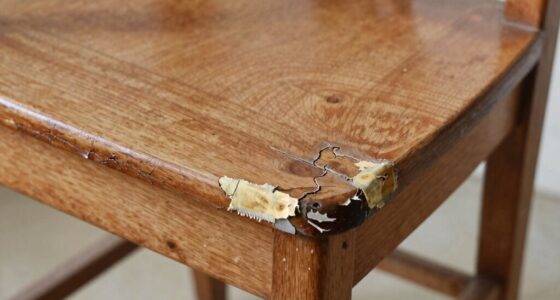
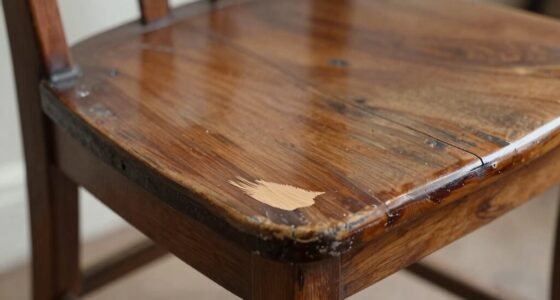
The veneer bubble problem occurs when air pockets form beneath veneer surfaces, leading to bubbles, delamination, and reduced durability. When these bubbles appear, they create surface imperfections that are often immediately noticeable and can compromise the visual appeal of your project. But the trouble doesn’t stop there. These imperfections are more than just cosmetic; they indicate deeper issues with the material itself. As bubbles grow and multiply, they weaken the veneer’s structural integrity, accelerating material degradation and making the surface more susceptible to damage over time.
Veneer bubbles signal deeper issues, weakening the material and risking long-term damage if left untreated.
If you notice bubbles early, you might think they’re easy to fix or that waiting won’t cause any further harm. However, delaying action actually makes the problem worse. When you leave the bubbles untreated, moisture seeps into the veneer and gets trapped beneath the surface. This trapped moisture triggers further material degradation, especially when the veneer is exposed to fluctuating temperatures and humidity. Over time, the trapped air expands, causing the bubbles to enlarge, which intensifies surface imperfections and increases the likelihood of delamination. The longer you wait, the more these issues compound, leading to a surface that’s not only unsightly but also structurally compromised. Moisture infiltration is a key factor that accelerates this deterioration process.
Waiting to address the bubble problem allows the underlying issues to worsen. Moisture infiltration and continued material breakdown result in weakened bonding between layers, making the veneer more prone to peeling or cracking. This process can transform what was once a manageable surface imperfection into a significant repair challenge. The deterioration affects not only aesthetics but also the durability of the veneer, reducing its lifespan and increasing your maintenance costs. If you ignore early signs, you risk facing more extensive repairs or even complete replacement, which are far more costly and disruptive. Recognizing the importance of air quality management can help prevent the buildup of moisture and other issues that contribute to veneer bubbles. Additionally, understanding the material properties involved can guide you in selecting the most suitable repair methods. Proper ventilation can also significantly reduce moisture buildup and slow down the deterioration process.
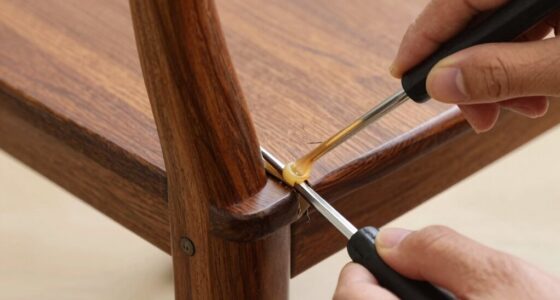
To prevent the problem from escalating, it’s essential to act promptly once you notice surface imperfections like bubbling. Early intervention often involves carefully removing the affected veneer, addressing the underlying moisture issues, and resealing or replacing the damaged sections. By doing so, you stop the cycle of material degradation and preserve both the appearance and integrity of the veneer. Remember, the longer you wait, the more difficult and expensive it becomes to restore the surface to its original condition. Acting swiftly not only saves money but also ensures your veneer remains durable and attractive for years to come.
As an affiliate, we earn on qualifying purchases.
Frequently Asked Questions
How Can I Identify a Veneer Bubble Early?
To identify a veneer bubble early, pay close attention to the surface finish, as bubbles often cause visible irregularities or bumps. Check the material quality by inspecting for inconsistent grain patterns or thin spots, which can indicate underlying issues. Use a light source to reveal trapped air beneath the veneer and gently press on the surface—if bubbles shift or pop, you’ve detected an early veneer bubble. Acting quickly prevents further damage.
What Are the Main Causes of Veneer Bubbles Forming?
You notice a bubble forming beneath your veneer, and it’s often caused by material degradation or installation errors. Over time, moisture seeps in, weakening the adhesive bond, while poor installation traps air or moisture, creating pressure. These issues silently build, causing the veneer to lift and bubble. Ignoring early signs only worsens the problem, making it harder—and more costly—to repair. Stay vigilant to catch these causes early.
How Does Waiting Worsen the Veneer Bubble Problem?
Waiting worsens the veneer bubble problem because market psychology shifts as delays occur, causing more investors to doubt the stability of the market. This hesitation impacts investment timing, leading to panic selling or delayed buying, which can inflate the bubble further. The longer you wait, the more uncertainty grows, making it harder to accurately gauge market conditions and increasing the risk of a sudden collapse.
Are There Any Financial Risks Associated With Veneer Bubbles?
Yes, veneer bubbles pose financial risks, especially during market speculation that inflates their value like a balloon ready to pop. Regulatory gaps often leave investors vulnerable, as oversight fails to catch warning signs early. When the bubble bursts, you could face significant losses, much like a house of cards collapsing. The risk intensifies if you wait, as the longer you delay, the more vulnerable your investments become to sudden downturns.
What Strategies Can Prevent Veneer Bubbles From Escalating?
To prevent veneer bubbles from escalating, focus on maintaining high veneer quality and employing proper installation techniques. You should carefully select quality veneers that resist moisture and temperature changes, and always ensure your installation methods include proper sealing and bonding. Regular inspections during and after installation help catch issues early. By prioritizing quality and technique, you can greatly reduce the risk of veneer bubbles forming and worsening over time.
Conclusion
If you ignore the veneer bubble problem, you’re letting a small leak turn into a flood. Waiting only deepens the damage, much like neglecting a tiny crack that eventually shatters the glass. Acting promptly is your best defense—address it now before it spreads and complicates the repair. Think of it as tightening a loose screw before it falls completely out; a simple fix today prevents a costly disaster tomorrow. Don’t wait—your surface’s integrity depends on it.
Fall yard work Picks
leaf blowers
As an affiliate, we earn on qualifying purchases.