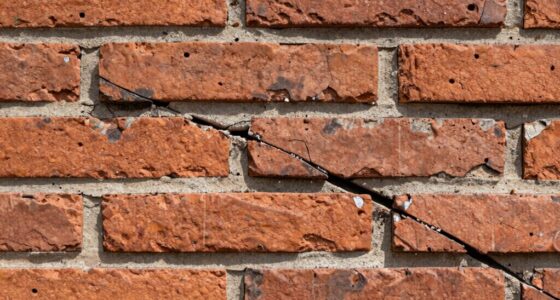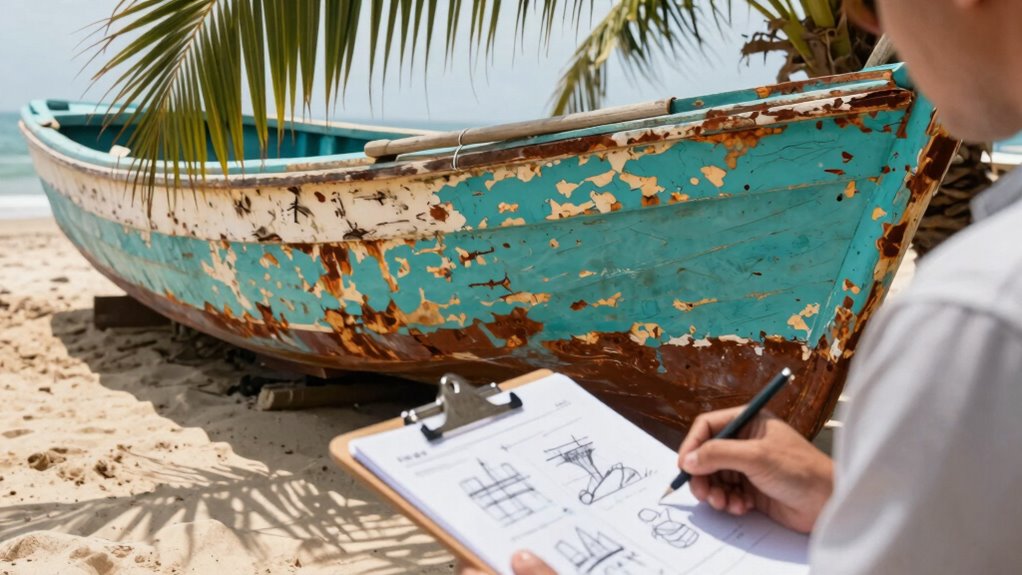

Before committing to a restoration, you should thoroughly assess its potential, limitations, and costs. Start by evaluating the physical condition, identifying structural issues, and documenting original materials. Check legal restrictions and permits to avoid surprises. Consider the project’s cultural or historical significance to prioritize preservation efforts. Confirm the project aligns with your long-term goals and budget. If you continue exploring, you’ll discover key steps to make your restoration both successful and sustainable.

Get business pricing on tools and workshop supplies
- Business-only prices and quantity discounts
- Tax-exempt purchasing
- Multiple users, one account, clear invoices
Key Takeaways
- Conduct a thorough analysis of the project’s potential, limitations, and realistic budget to ensure financial feasibility.
- Assess the historical significance to determine the value and appropriate preservation methods.
- Inspect the physical condition meticulously, noting structural issues and original materials for accurate planning.
- Verify legal and regulatory requirements, including permits and preservation laws, to avoid compliance issues.
- Consider the long-term impact and alignment with community or organizational goals to ensure sustainable restoration.
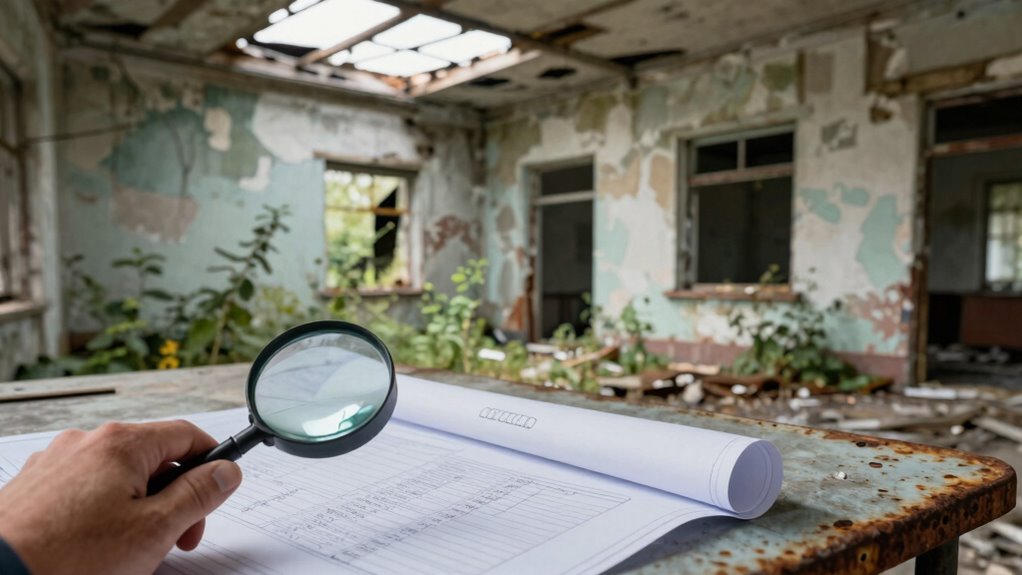
Restoring a project can be rewarding, but rushing into it without proper evaluation can lead to wasted time and resources. Before you commit to a restoration, you need to carefully analyze the project’s potential and limitations. A vital step is conducting a thorough budget assessment. Determine how much funding you’ll need to complete the restoration and compare that with your available resources. Consider hidden costs like permits, specialized labor, or unexpected structural issues that might arise. A realistic budget helps you avoid overextending yourself or underestimating expenses, guaranteeing the project remains financially feasible from start to finish.
A thorough budget assessment ensures your restoration project stays financially feasible and well-planned from start to finish.
Alongside the budget, you should evaluate the historical significance of the project. Understanding its cultural, architectural, or sentimental value guides your decision-making process. If the project holds national or local importance, restoring it could contribute to community pride or serve educational purposes. Conversely, if the historical significance is minimal, you might reconsider whether the investment aligns with your goals. Identifying the project’s historical value also helps prioritize preservation methods that respect its original design and materials, maintaining authenticity and integrity. Considering the physical condition of the site or structure is equally crucial, as it provides insight into the extent of repairs needed and whether restoration is feasible or if a partial rebuild might be more practical. Additionally, evaluating the impact on the environment can inform sustainable practices during the restoration process. A comprehensive assessment of the original materials used**** can also influence your approach, especially when dealing with rare or delicate components.
Next, assess the physical condition of the site or structure. Conduct a detailed inspection to identify structural weaknesses, damage, or deterioration. This helps you determine the scope of work needed and whether restoration is viable or if a partial rebuild might be more practical. Pay attention to materials used originally; some might be rare or expensive to replace, impacting both your budget and planning. Documenting these conditions with photographs and notes ensures you have a clear picture of what’s involved before moving forward.
You should also research legal and regulatory considerations. Check if the site is protected under historic preservation laws or if special permits are required. These regulations can influence your timeline and budget, potentially adding constraints or opportunities for grants and funding. Understanding these factors early prevents surprises that could derail your project.
Finally, consider the long-term impact of the restoration. Will it serve its intended purpose for years to come? Does it fit within the broader community or organizational goals? Evaluating these aspects helps you determine if the project aligns with your vision and resources. When you combine a realistic budget assessment with a deep understanding of the site’s historical significance, you position yourself for a thoughtful, well-informed decision. This approach minimizes risks, maximizes benefits, and ultimately leads to a successful restoration that respects the past while serving the future.
restoration project assessment tools
As an affiliate, we earn on qualifying purchases.
As an affiliate, we earn on qualifying purchases.
Frequently Asked Questions
What Are the Key Signs of a Salvageable Project?
You’ll know a project is salvageable if it has strong historical significance and retains good structural integrity. Look for original features that can be preserved or restored, indicating its cultural value. Check if the foundation and main framework are stable, as structural integrity is vital. If these signs are present, the project has potential; otherwise, restoration may not be worth the effort or cost.
How Do I Estimate the Total Restoration Costs Accurately?
You can estimate total restoration costs accurately by researching material prices, labor rates, and potential hidden expenses. Start with a detailed assessment of the project’s scope, then factor in budget considerations like contingency funds for unexpected costs. Create a thorough timeline estimation to identify resource needs over time. Regularly update your estimates as you gather more information, ensuring your budget aligns with the project’s evolving requirements and minimizing surprises.
Who Should I Consult Before Deciding to Restore a Project?
You should consult experts like historians, architects, and preservation specialists before deciding to restore a project. Their opinions help you understand the historical significance and authenticity of the site, guiding your decision-making process. Additionally, reaching out to local preservation societies or heritage organizations can provide valuable insights. Their expertise guarantees you respect the project’s historical value while making informed choices that align with your restoration goals.
What Are Common Pitfalls to Avoid During Project Evaluation?
You should watch out for common pitfalls like ignoring the project timeline or overlooking restoration standards, which can lead to delays or subpar results. Don’t rush the evaluation; make sure you thoroughly assess the project’s scope, costs, and feasibility. Avoid underestimating complexities or relying solely on initial impressions. Being thorough helps you spot potential issues early, ensuring your restoration aligns with standards and stays on schedule.
How Long Should the Evaluation Process Take?
The evaluation process should take enough time to thoroughly analyze budget considerations and conduct stakeholder analysis, usually from a few days to several weeks depending on project complexity. Rushing it might overlook critical details, while dragging it out can delay decisions. You want to allocate enough time to gather accurate data, assess risks, and guarantee all stakeholders are aligned, ultimately making an informed, confident commitment.
Conclusion
Before diving into restoration, remember to weigh the risks and rewards carefully. Think of your project like a garden—you’ll want to clear out the weeds, check the soil, and guarantee the seeds you plant will grow strong. By evaluating every detail now, you’re setting the stage for a flourishing result later. With a clear vision and thorough planning, you’ll turn a battered structure into a shining jewel, ready to stand the test of time.
Halloween Picks
halloween
As an affiliate, we earn on qualifying purchases.