
TL;DR

Get business pricing on tools and workshop supplies
- Business-only prices and quantity discounts
- Tax-exempt purchasing
- Multiple users, one account, clear invoices
A homeowner with a 120-year-old bathroom chose not to demolish it. Instead, she implemented a preservation strategy, setting a precedent for historic home renovations. The development underscores alternative renovation methods for old structures.
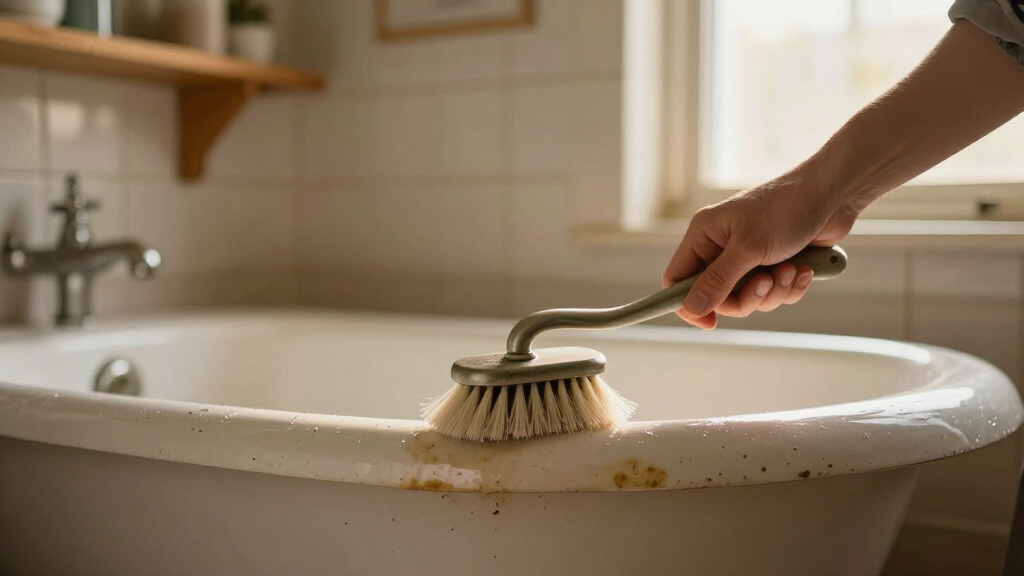
A homeowner with a 120-year-old bathroom decided against demolition during her renovation project, choosing instead to preserve and restore the historic fixture. This decision challenges typical renovation practices and highlights alternative options for maintaining historic features in homes.
The homeowner, whose identity has not been publicly disclosed, was faced with the decision to demolish or preserve her century-old bathroom during a renovation. According to sources close to the project, she refused to demolish the structure, citing its historical significance and personal value. Instead of a full teardown, she engaged specialists to carefully restore and integrate the original features into the modern renovation. This approach aligns with a growing trend among homeowners seeking to preserve historic elements while updating their homes for contemporary use. The project was completed recently, with the homeowner expressing satisfaction with the preservation outcome and the historic character it maintained.Implications for Historic Home Renovations
This case demonstrates that preservation-focused renovation is feasible and can be a viable alternative to demolition. It may influence other homeowners and contractors to consider restoration over teardown, especially for structures with cultural or historical importance. The approach also raises awareness about the value of maintaining architectural heritage within modern homes, potentially impacting renovation standards and policies in historic districts.historic bathroom restoration tools
As an affiliate, we earn on qualifying purchases.
As an affiliate, we earn on qualifying purchases.
Background on Historic Bathroom Preservation Trends
Historically, many old homes undergo complete demolition of outdated fixtures to make way for modern designs. However, in recent years, there has been a shift toward preservation, driven by increased awareness of architectural heritage and sustainability concerns. Experts note that restoring historic features can be complex and costly but offers cultural value and unique aesthetic appeal. The homeowner’s decision reflects this broader movement, emphasizing that not all renovations require total demolition, especially when dealing with structures over a century old.Details of the Restoration Process Still Unclear
It is not yet clear how extensive the restoration was or what specific techniques were used to preserve the bathroom. The full scope of work and costs involved remain undisclosed, and whether this approach is replicable in other historic homes is still uncertain.Broader Adoption of Preservation Strategies in Renovations
As awareness grows, more homeowners and contractors may explore preservation methods for historic features. Industry experts anticipate increased interest in restoration over demolition, potentially influencing renovation standards and policies. Further case studies and guidelines are expected to emerge to support such efforts.Key Questions
Why did the homeowner refuse to demolish her bathroom?
She cited the historical significance and personal value of the 120-year-old bathroom as primary reasons for choosing preservation over demolition.
Is restoring an old bathroom more expensive than demolishing and rebuilding?
Restoration can be costly and complex, but costs vary depending on the extent of work needed. It may be more expensive upfront but offers cultural and aesthetic benefits that demolition does not.
Can this preservation approach be applied to other historic features?
Yes, but feasibility depends on the condition of the feature, available expertise, and structural considerations. Each project requires careful assessment.
Will this influence future renovation policies?
It could encourage more preservation-focused projects, especially as awareness of cultural heritage and sustainability grows among homeowners and professionals.
Source: rss
Fall Picks
fall essentials
As an affiliate, we earn on qualifying purchases.