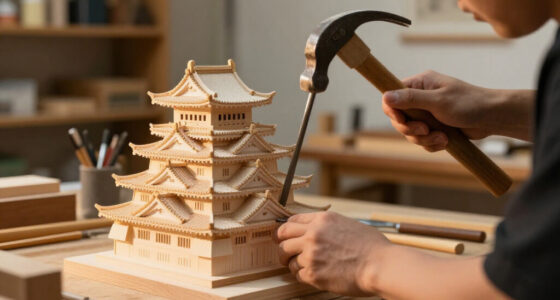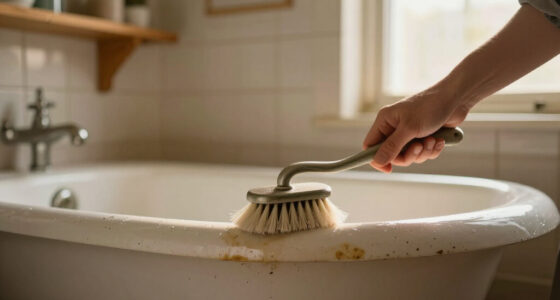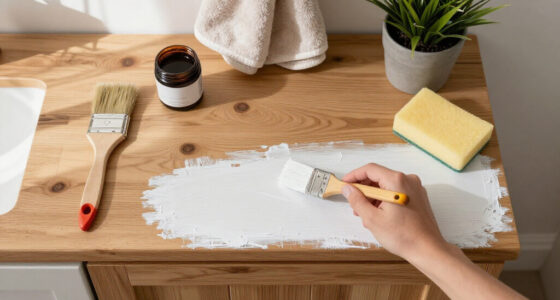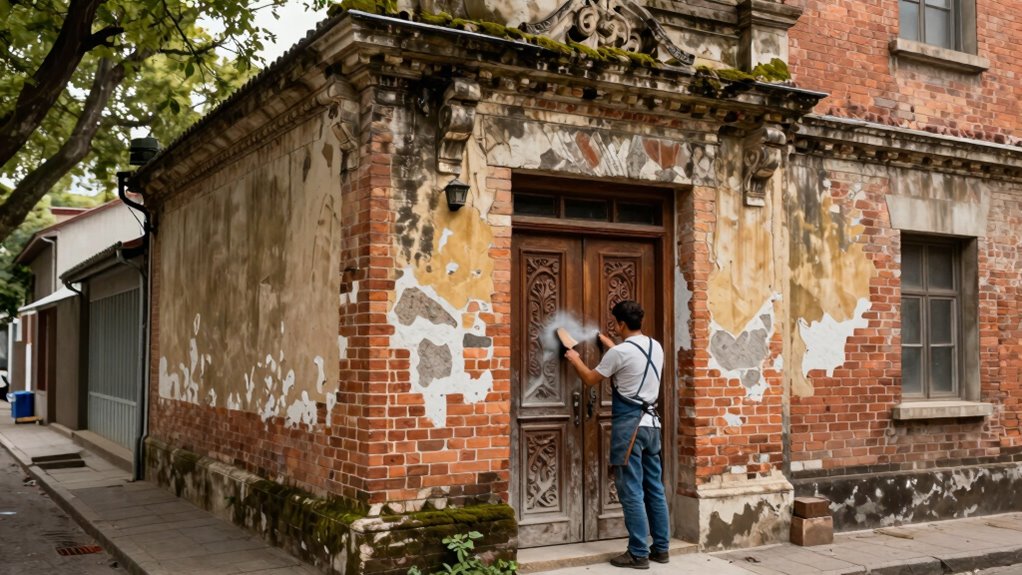

To preserve a building’s character instead of erasing it, you should opt for careful restoration techniques that respect its original features. Focus on material preservation, working with specialists skilled in traditional craftsmanship. Use authentic materials, avoid modern substitutes, and prioritize repairs that maintain the building’s historical integrity. This approach safeguards its story and cultural significance, ensuring it stays true to its past. If you continue exploring, you’ll discover how these strategies can make a lasting impact.

Get business pricing on tools and workshop supplies
- Business-only prices and quantity discounts
- Tax-exempt purchasing
- Multiple users, one account, clear invoices
Key Takeaways
- Prioritize material conservation and repair over replacement to maintain original features and authenticity.
- Collaborate with specialists skilled in historic craftsmanship to ensure sympathetic and authentic restoration methods.
- Use traditional techniques and materials compatible with the original construction for long-lasting preservation.
- Focus on maintaining the building’s cultural and historical significance rather than modern aesthetic improvements.
- Choose preservation strategies that respect the building’s story, ensuring future generations experience its authentic character.

When restoring a historic property, choosing methods that preserve its original character is essential. Your goal should be to maintain the building’s historical authenticity, ensuring that its unique features and story remain intact. To achieve this, you must focus on material preservation—using techniques and materials that respect the original construction rather than replacing everything with modern substitutes.
Preserve a historic property’s authenticity by respecting original features and using appropriate restoration techniques.
Prioritizing historic craftsmanship means carefully assessing the property’s existing features and determining which elements can be repaired, cleaned, or restored. Instead of replacing old wood, brick, or stone with new, you work to conserve and reinforce what’s already there. This might involve cleaning grime from delicate facades or mending cracks in historic masonry, all while maintaining the integrity of the original materials. When you preserve these elements, you’re not just fixing a building—you’re safeguarding its story and character for future generations. Recognizing the importance of material conservation ensures that the integrity of original features is maintained, and the building’s cultural significance is preserved.
Choosing this restoration route also means working with specialists who understand historic craftsmanship. Their expertise helps ensure that repairs are sympathetic to the original architecture, avoiding the temptation to modernize or simplify features that define the building’s character. Every decision—whether it’s cleaning, patching, or reinforcing—should be guided by the goal of maintaining authenticity, not just aesthetics. This way, the building’s history shines through, and its unique qualities remain visible and meaningful. Additionally, understanding traditional building techniques can greatly enhance the effectiveness of restoration efforts, ensuring compatibility and longevity of repairs.
Ultimately, your focus on preservation over replacement respects the building’s past while ensuring it continues to serve its purpose today. You’re not erasing history; you’re celebrating it through thoughtful, careful restoration. By valuing material preservation and prioritizing historical authenticity, you ensure that the character of the property endures—telling its story for generations to come. This approach not only preserves the physical structure but also sustains the cultural significance embedded within every original detail.
historic building restoration tools
As an affiliate, we earn on qualifying purchases.
As an affiliate, we earn on qualifying purchases.
Frequently Asked Questions
What Materials Are Best for Preserving Historical Integrity During Restoration?
You should choose traditional materials like lime plaster, wood, and historical bricks to maintain authenticity during restoration. However, integrating modern materials, such as breathable paints and sustainable techniques, helps preserve the structure without jeopardizing its character. These modern options ensure durability while respecting the building’s original design. By balancing authentic and sustainable materials, you protect the historical integrity and promote eco-friendly preservation practices effectively.
How Do You Determine Which Features to Restore or Replace?
To decide which features to restore or replace, you consider period accuracy and material compatibility. You assess the historical significance and original craftsmanship of each element, opting to preserve authentic details whenever possible. If a feature can’t be repaired without compromising its integrity, you choose to replace it with materials that match the original in appearance and durability. This approach helps maintain the building’s true character while ensuring long-term preservation.
What Are Common Mistakes to Avoid in Preservation Projects?
Avoid common mistakes by not rushing the project and neglecting modern techniques that guarantee authenticity. Always research thoroughly and prioritize preservation over replacement. Misjudging the project’s scope or relying solely on limited funding sources can lead to shortcuts that harm the original character. Engage professionals early, and plan for long-term maintenance, making sure your restoration remains true to its history while using the best current methods.
How Does Restoration Impact the Property’s Value?
You’ll find that restoration can considerably boost your property’s value when it maintains historical authenticity and highlights cultural significance. It’s a case of killing two birds with one stone—improving aesthetics while honoring the past. Proper restoration preserves the unique character that attracts buyers, making your property stand out in the market. By respecting original features, you not only enhance value but also safeguard its legacy for future generations.
Are There Legal Considerations for Restoring Historic Buildings?
Yes, there are legal considerations when restoring historic buildings. You need to guarantee legal compliance with local, state, and federal regulations, which often include adhering to preservation standards. Securing preservation permits is essential before starting work, as these ensure your restoration respects the building’s historical integrity. Failing to obtain the necessary permits or ignoring legal guidelines can lead to fines, delays, or even the requirement to undo work.
Conclusion
So, next time you find yourself faced with a restoration dilemma, remember: erasing history might be the easy route, but preserving character keeps the story alive. After all, who needs authenticity when you can have a shiny, new imitation? Embrace the quirks, the scars, and the personality—because in the end, a building with character beats a sterile clone every time. Don’t be the architect of forgettable blandness; celebrate the charm of true preservation.
Fall yard work Picks
leaf blowers
As an affiliate, we earn on qualifying purchases.