Smarter cut planning helps you reduce waste, save resources, and lower your shop’s environmental impact. By carefully designing cuts and using precise measurement tools, you minimize scrap and over-ordering. This not only conserves materials but also cuts energy use and extends machinery life. Implementing smart planning techniques creates a more sustainable, efficient workspace. Keep exploring ways to improve your process, and you’ll discover even more green habits to support your shop’s eco-friendly goals.

Get business pricing on tools and workshop supplies
- Business-only prices and quantity discounts
- Tax-exempt purchasing
- Multiple users, one account, clear invoices
Key Takeaways
- Smarter cut planning minimizes material waste and promotes recycling, reducing environmental impact.
- It enhances machinery efficiency, lowering energy consumption and extending equipment lifespan.
- Precise planning prevents over-ordering, conserving resources and reducing excess inventory.
- Using technology for optimized cuts streamlines processes and supports eco-friendly shop operations.
- Integrating smart planning fosters a culture of sustainability and resource conservation in the shop.

Adopting green habits often requires careful planning, especially when it comes to reducing waste and conserving resources. One of the most effective ways you can do this in your shop is through smarter cut planning. When you approach your projects with a clear, strategic plan, you minimize material waste and optimize your workflow, making your operations more sustainable. This means thinking ahead about how each piece of material will be used, which directly impacts your recycling practices by reducing scraps that might otherwise be discarded. By planning your cuts precisely, you’re not only saving money on materials but also decreasing the volume of waste that ends up in landfills, supporting your broader environmental goals.
Energy conservation also benefits from smarter cut planning. When you organize your cuts efficiently, your machinery runs more smoothly and for shorter periods, cutting down on energy consumption. Instead of running multiple passes or making unnecessary adjustments, a thoughtful plan reduces idle time and decreases the load on your equipment. This efficient use of energy translates into lower electricity bills and less strain on your machinery, ultimately extending their lifespan. Plus, with fewer waste materials to process or dispose of, you reduce the energy needed for waste management tasks, further amplifying your shop’s environmentally friendly impact. Incorporating smart technology into your planning process can further enhance these efficiencies by providing precise measurements and optimized layouts. Additionally, using digital planning tools can help you visualize your cuts more accurately, preventing costly mistakes and material waste. Emphasizing accurate measurements can also help ensure your cuts are optimal from the start, reducing the need for adjustments that waste time and resources. Moreover, embracing innovative software solutions can streamline this process and boost overall sustainability efforts. Incorporating knowledge of caffeine science can also help you stay energized and focused as you refine your planning process, leading to even more precise and efficient cuts.
Furthermore, smarter cut planning encourages a more mindful approach to resource management. By meticulously mapping out each cut, you avoid over-ordering materials and prevent excess inventory that could become obsolete or wasteful. You learn to maximize every sheet or piece of material, which not only reduces cost but also lessens the environmental footprint of your shop. This careful planning also fosters a culture of sustainability, where everyone in your team understands the importance of resource conservation and works toward minimizing waste.
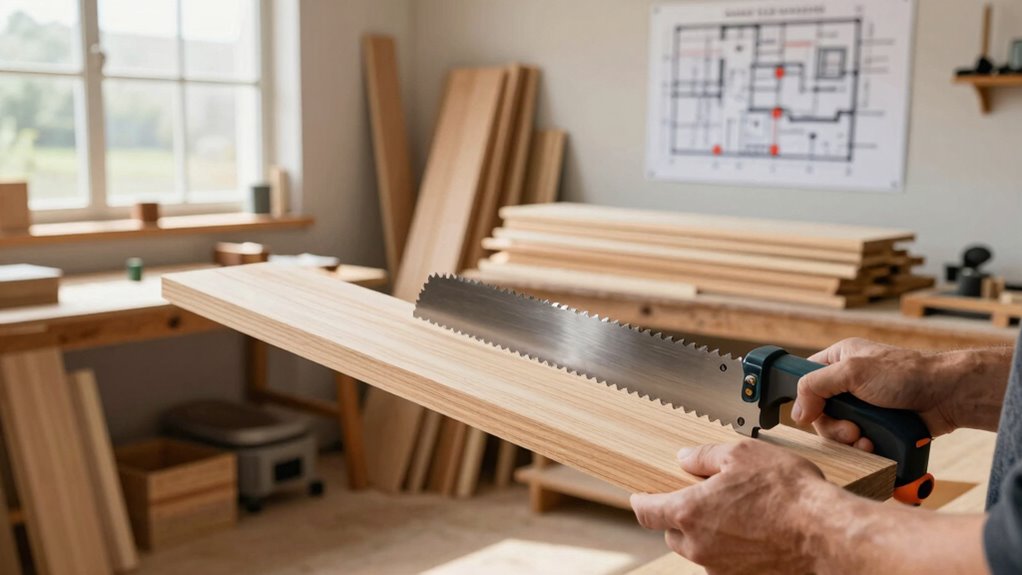
In addition, incorporating digital or software tools into your cutting process can enhance your planning accuracy. These tools help you visualize and simulate cuts before you make them, ensuring you’re making the most of every sheet. The result is a more efficient workflow that conserves both materials and energy. Over time, this approach can become second nature, transforming your shop into a model of green efficiency.
Ultimately, smarter cut planning isn’t just about saving money — it’s a crucial part of adopting a more sustainable, eco-friendly shop. It allows you to integrate recycling practices seamlessly by reducing scraps, conserves energy through optimized machine use, and fosters a mindset of mindful resource management. When you plan your cuts wisely, you’re taking a significant step toward making your shop more environmentally responsible and efficient.
digital cut planning software for woodworking
As an affiliate, we earn on qualifying purchases.
As an affiliate, we earn on qualifying purchases.
Frequently Asked Questions
How Does Cut Planning Reduce Material Waste Effectively?
Cut planning reduces material waste effectively by focusing on material optimization. You carefully arrange cuts to minimize leftover scraps, ensuring every piece of material is used efficiently. This waste reduction approach means you cut fewer materials overall, saving money and resources. By planning your cuts beforehand, you prevent unnecessary mistakes and excess, making your shop more eco-friendly and cost-effective while maintaining high-quality results.
What Tools Assist in Smarter Cut Planning?
Tools like CAD software, nesting programs, and digital calculators assist in smarter cut planning, helping you optimize tool use and accurately estimate material needs. These tech tools streamline the process, reducing waste while maximizing efficiency. By utilizing such tools, you can precisely plan cuts, minimize errors, and make the most of every sheet or piece of material, ultimately promoting better resource conservation and environmentally friendly practices in your shop.
Can Small Shops Implement Advanced Cut Planning Strategies?
Yes, small shops can implement advanced cut planning strategies by embracing shop automation and investing in training programs. Automation tools make precise calculations easier, reducing waste and saving time. Training programs equip your team with the skills needed to optimize these systems effectively. By combining these approaches, you improve efficiency, cut waste, and adopt eco-friendly practices, making advanced cut planning accessible and beneficial even for smaller operations.
How Often Should Cut Plans Be Reviewed and Updated?
You should review and update your cut plans weekly to maintain efficiency. Studies show that shops optimizing material scheduling and adjusting plans regularly see a 15% boost in productivity. By monitoring efficiency metrics consistently, you can identify waste or delays early, ensuring your plans stay aligned with actual needs. This proactive approach helps reduce material waste and improves overall shop performance, making your green habits more effective over time.
What Are Common Mistakes to Avoid in Cut Planning?
You should avoid common mistakes like neglecting material optimization and overlooking waste reduction. Failing to plan cuts carefully can lead to excessive material waste, increasing costs and environmental impact. Don’t assume one plan fits all; update your cut plans regularly to adapt to material variations. Also, avoid rushing the process, as precise planning guarantees efficient material use, reducing waste and promoting greener practices in your shop.
Conclusion
By embracing smarter cut planning, you’re planting seeds for a greener future, turning your shop into a lush garden of sustainability. Every precise cut is like a gentle breeze, reducing waste and conserving resources. When you plan wisely, you’re weaving a tapestry of efficiency that shields the environment from unnecessary harm. Remember, your mindful choices are the roots that nourish a healthier planet—one cut at a time, transforming your shop into a sanctuary of green habits.
Halloween Picks
halloween
As an affiliate, we earn on qualifying purchases.