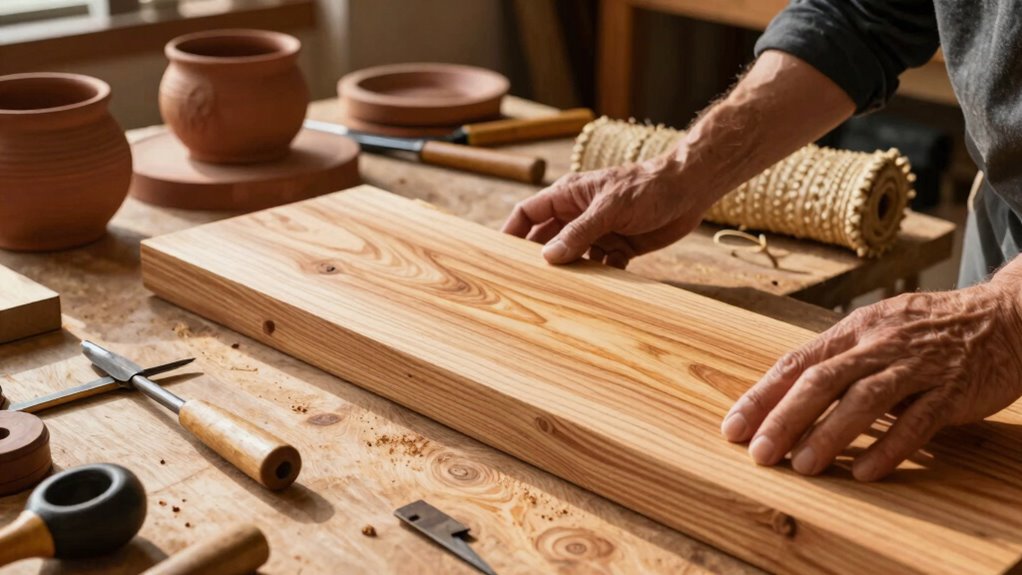

To use local materials without guaranteeing quality, focus on choosing sustainably sourced options that meet your project’s durability needs. Work closely with local suppliers and artisans to gain insights into material properties and proper usage. Always evaluate the natural resilience of materials against environmental conditions and inspect quality before purchasing. This proactive approach ensures long-lasting results while supporting local economies. Keep exploring to discover more ways to maximize quality with local resources.

Get tools and workshop supplies delivered free — and shop member deals
- Fast, free delivery on millions of items
- Access to Prime Big Deal Days deals on October 6–7
- Prime Video, Amazon Music and more included
Key Takeaways
- Collaborate with local suppliers and artisans to gain insights and ensure proper sourcing and handling practices.
- Evaluate material durability through thorough inspection and testing before procurement.
- Prioritize sustainable sourcing to maintain environmental health and long-term resource availability.
- Choose locally available materials that naturally meet environmental and durability requirements.
- Incorporate knowledge of material properties to select options that balance quality, sustainability, and performance.
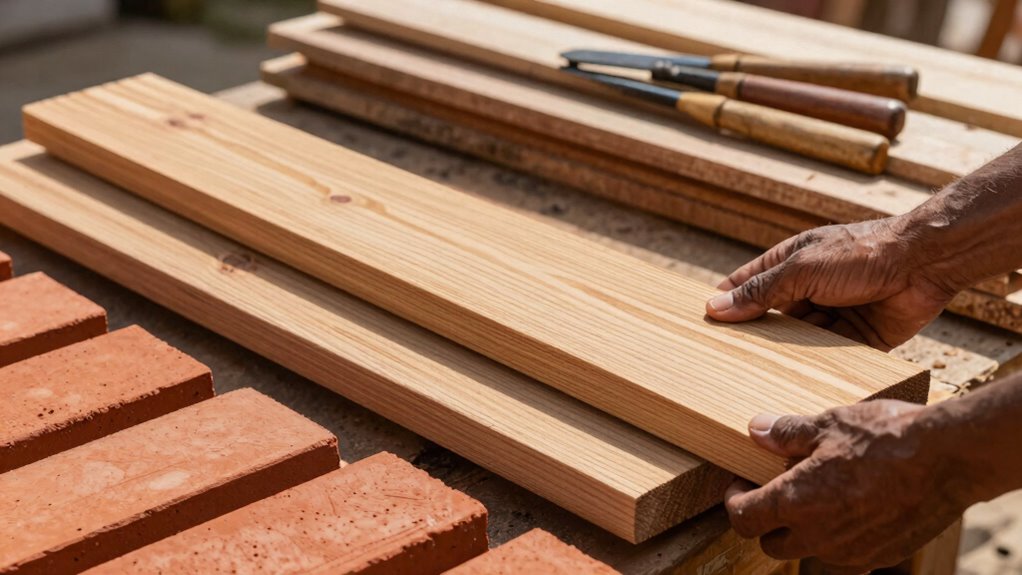
Using local materials can be a cost-effective and sustainable choice, but many worry it might compromise quality. The key to making the most of local resources lies in understanding sustainable sourcing and guaranteeing material durability. When you prioritize sustainable sourcing, you select materials that are harvested or produced with minimal environmental impact, reducing your project’s carbon footprint. This approach not only supports local economies but also encourages responsible harvesting practices that maintain the long-term health of natural resources. However, sustainable sourcing isn’t just about ethics; it’s also about choosing materials that are suited to your specific project needs, which can influence overall quality.
Material durability plays a vital role in this context. When you opt for local materials, it’s essential to evaluate their ability to withstand environmental conditions and daily wear. Durable materials reduce the need for frequent repairs or replacements, making your project more sustainable in the long run. To achieve this, you should inspect the quality of the materials before purchasing and understand their natural properties. For example, some local woods may be naturally resistant to pests or moisture, while certain stones or bricks might have inherent strength that ensures longevity. By focusing on material durability, you’re making certain that your project maintains its integrity over time, even in challenging conditions. Material properties are crucial in determining the suitability of local resources for your specific application. Additionally, understanding local environmental conditions can help you select the most appropriate materials that will perform well over time.
You can also work closely with local suppliers or artisans to gain insights into the best practices for sourcing and using these materials. They often have valuable knowledge about the specific qualities and durability of local resources, which can help you select the most suitable options. Additionally, requesting samples or testing materials on-site allows you to assess their performance firsthand before committing to large quantities. This proactive approach helps prevent surprises later and assures that the materials meet your quality standards. Understanding sustainable sourcing and material properties can significantly enhance your project’s success. Properly understanding these aspects can also help you identify environmentally friendly options that meet your durability requirements.
sustainable local wood for construction
As an affiliate, we earn on qualifying purchases.
As an affiliate, we earn on qualifying purchases.
Frequently Asked Questions
How Can I Verify the Quality of Local Materials Effectively?
You can verify the quality of local materials by evaluating their material durability through testing samples for strength, weather resistance, and longevity. Additionally, perform supplier verification by researching their reputation, requesting references, and checking certifications. Visit supplier sites if possible, and ask for detailed documentation. Combining these steps ensures you select high-quality local materials that meet your project standards without compromising durability or overall quality.
Are There Specific Local Materials Best Suited for Different Projects?
Like a modern-day Da Vinci, you can master material selection for your projects by understanding which local materials suit each application. For example, clay bricks work well for traditional techniques in load-bearing walls, while bamboo is ideal for lightweight structures. Choose materials based on durability, availability, and environmental conditions. Tailor your approach to each project’s needs, ensuring quality without sacrificing authenticity or sustainability.
How Do I Source Sustainable Local Materials Reliably?
You can source sustainable local materials reliably by building relationships with local suppliers who follow traditional techniques, ensuring quality and sustainability. Visit markets regularly, and ask about sourcing methods and eco-friendly practices. Stay informed about market fluctuations, which can affect availability and price, and plan your projects accordingly. Collaborate with community artisans and cooperatives to support consistent supply chains, and verify their adherence to sustainable, traditional methods for lasting reliability.
What Are Common Challenges When Using Local Materials?
Imagine trying to weave traditional techniques into a modern fabric—awkward, right? That’s often the challenge with local materials. Their cultural significance means you might face inconsistent quality, limited availability, or outdated methods that clash with your standards. You risk sacrificing durability or aesthetics, all while honoring tradition. The trick is balancing respect for cultural significance with the need for consistency, which can feel like walking a tightrope over a cultural chasm.
How Can I Ensure Local Materials Meet Safety Standards?
To guarantee local materials meet safety standards, you should verify material certification from reputable sources. Always check that suppliers have a strong reputation and adhere to industry regulations. Conduct site inspections and testing when necessary, and request documentation that confirms quality and safety compliance. By doing so, you ensure that the materials you use are safe, reliable, and suitable for your project, without compromising on quality.
Conclusion
Using local materials is like weaving a rich tapestry—each thread adds unique character and strength. By selecting quality sources, understanding proper techniques, and collaborating with skilled artisans, you guarantee your project’s integrity remains intact. Don’t let the charm of local materials tempt you into shortcuts; instead, treat them with the respect they deserve. When you prioritize quality, your work becomes as enduring as a mountain, beautifully rooted in tradition yet built to last.
Halloween Picks
halloween
As an affiliate, we earn on qualifying purchases.