
Laser enclosures matter more than you might realize because they’re essential for safety and efficiency. They shield you and others from potential hazards, preventing serious injuries and costly downtime. Plus, they help protect your sensitive equipment from damage, ensuring it runs smoothly and lasts longer. Keeping your workspace organized also boosts productivity by reducing distractions. If you think that’s important, just wait until you discover all the benefits enclosures bring to your operations.

Get business pricing on tools and workshop supplies
- Business-only prices and quantity discounts
- Tax-exempt purchasing
- Multiple users, one account, clear invoices
Key Takeaways
- Laser enclosures are crucial for ensuring safety, protecting operators and bystanders from potential hazards associated with laser operations.
- They safeguard sensitive equipment from environmental damage, enhancing performance and prolonging the lifespan of the laser system.
- Organized workspaces created by enclosures reduce distractions, aiding compliance with safety protocols and improving focus during operations.
- Regular maintenance is simplified, minimizing dust accumulation and preventing external contamination that can compromise laser efficiency.
- By integrating safety measures, laser enclosures streamline operations, reduce costs, and contribute to a more productive work environment.
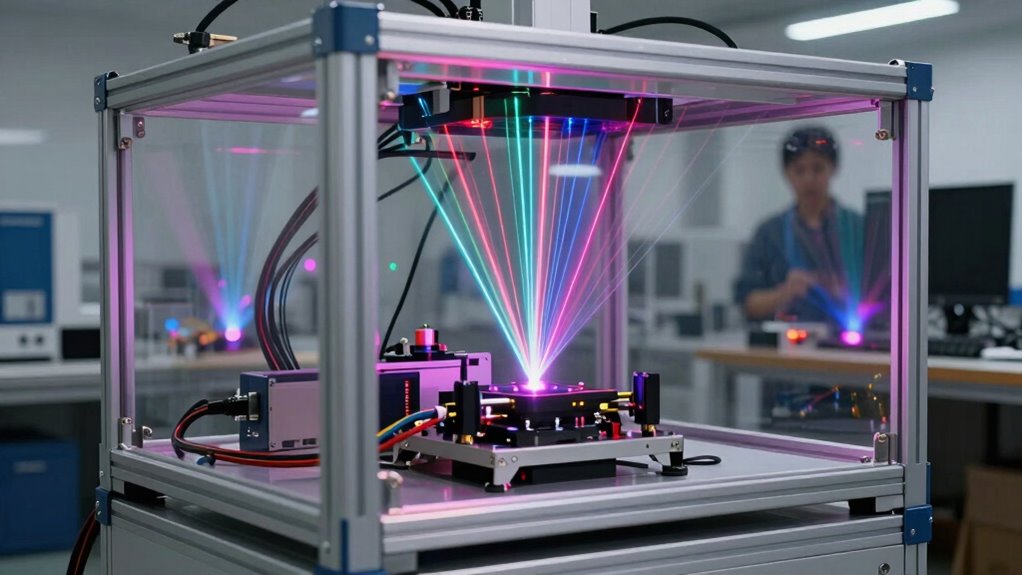
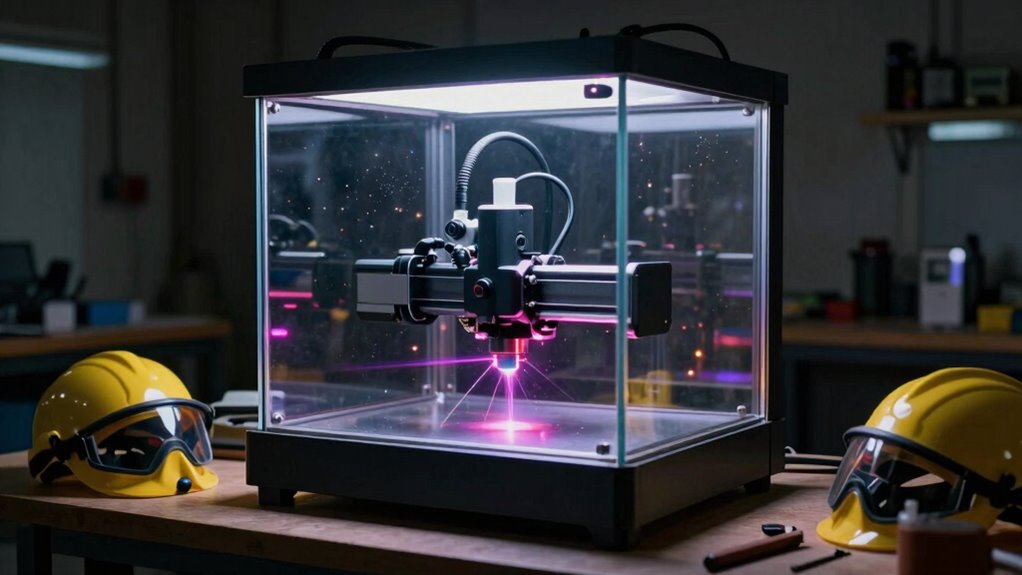
When you consider the safety and efficiency of laser operations, laser enclosures play an essential role. These enclosures aren’t just optional add-ons; they’re fundamental to meeting safety standards that protect both operators and bystanders. Without proper enclosures, you’re exposing yourself, your team, and your workspace to unnecessary risks. The consequences of neglecting these safety measures can be severe, ranging from injuries to costly downtime.
One of the primary reasons laser enclosures matter is their ability to provide material protection. Lasers can generate intense heat and light, potentially damaging sensitive equipment or materials nearby. By using an enclosure, you create a controlled environment that minimizes the risk of accidental damage. This protection extends not just to your materials but also to the integrity of the laser system itself, ensuring you get the most out of your equipment without frequent interruptions.
Laser enclosures are crucial for material protection, creating a controlled environment that safeguards sensitive equipment from heat and light damage.
Moreover, laser enclosures help with workspace organization. A well-defined space for your laser operations keeps everything orderly and reduces clutter. This organization isn’t just about aesthetics; it notably contributes to operational efficiency. When your work area is tidy and everything is in its place, you can focus better on the task at hand, minimizing distractions and enhancing productivity. A clear workspace also makes it easier to comply with safety protocols, as you can easily identify hazards and address them promptly.
Maintenance requirements are another critical aspect where laser enclosures shine. Enclosures can simplify the upkeep of your laser systems by providing a controlled environment that reduces the accumulation of dust and debris. Keeping your equipment clean and well-maintained leads to better performance and longevity. Regular maintenance becomes less of a chore when you can easily access the equipment and don’t have to worry about external contamination. Additionally, incorporating proper safety measures into your setup helps prevent accidents and ensures compliance with industry standards.
Finally, let’s not forget how laser enclosures improve overall operational efficiency. By integrating safety measures, material protection, and workspace organization into your operations, you create a streamlined workflow. This efficiency translates to faster turnaround times, reduced costs, and ultimately, a more successful operation. Proper safety measures are essential for maintaining a productive and secure work environment.
As an affiliate, we earn on qualifying purchases.
Frequently Asked Questions
How Do Laser Enclosures Improve Operational Efficiency?
Laser enclosures improve operational efficiency by enhancing safety benefits and optimizing workflow. When you use enclosures, you minimize exposure to hazards, allowing your team to work more confidently. This safety boost leads to fewer accidents and downtime, keeping your operations running smoothly. Additionally, enclosures help streamline processes by containing fumes and debris, which means less cleanup time and more focus on production. Overall, you’ll see a significant increase in productivity and safety.
What Materials Are Best for Laser Enclosure Construction?
When you think about the best materials for laser enclosure construction, don’t you want something that lasts? For durability, opt for steel or aluminum; they withstand wear and tear effectively. For soundproof options, consider acoustic panels or specialized soundproofing materials that reduce noise levels. Combining these materials not only enhances safety but also creates a more efficient workspace. Ultimately, choosing the right materials directly impacts your operational success and comfort.
Can Laser Enclosures Be Customized for Different Machines?
Yes, laser enclosures can definitely be customized for different machines. You can create a custom design that fits your specific equipment, ensuring ideal machine compatibility. This tailored approach enhances safety and efficiency, allowing you to maximize performance. Whether you’re using a small hobby laser or a large industrial machine, customizing your enclosure helps address unique requirements and improves functionality. So, don’t hesitate to explore options that best suit your setup!
How Often Should Laser Enclosures Be Maintained?
You should maintain your laser enclosure regularly, ideally every three to six months, to guarantee peak laser safety. Think about it—neglecting maintenance can lead to safety hazards and costly repairs. Stick to a maintenance schedule that includes checking seals, ventilation, and safety features. Keeping everything in prime condition not only protects you but also extends the lifespan of your equipment. Don’t overlook this; it’s essential for safe and efficient operation!
Are There Regulations Governing Laser Enclosure Designs?
Yes, there are regulations governing laser enclosure designs. You’ll need to follow established safety standards and design guidelines to guarantee compliance and protect users. These regulations often come from organizations like OSHA and ANSI, which set forth requirements for materials, construction, and operation. By adhering to these guidelines, you not only enhance safety but also minimize risks associated with laser use, making your workspace much safer for everyone involved.
Conclusion
In the vibrant world of laser technology, imagine a glowing beam cutting through the air like a comet. Without proper enclosures, that brilliance can become a dangerous spark, igniting risks no one sees coming. By embracing the necessity of laser enclosures, you’re not just ensuring safety; you’re cultivating a sanctuary where innovation thrives. So, as you harness the power of lasers, remember: those protective barriers are the unsung heroes, keeping creativity alive and risks at bay.
Fall yard work Picks
leaf blowers
As an affiliate, we earn on qualifying purchases.