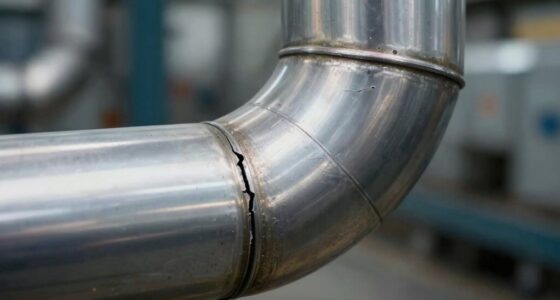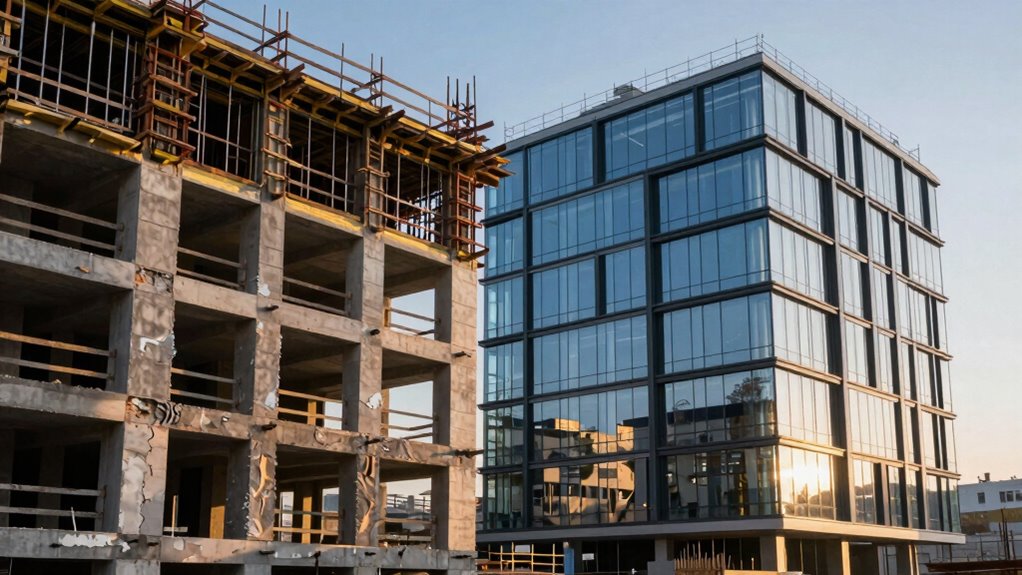

Building fast gets your product to market quickly, but it often means cutting corners on testing and quality. This approach risks bugs, instability, and damage to your reputation long-term. Building well, however, focuses on thorough planning, rigorous testing, and sustainable practices, ensuring stability and scalability. Striking the right balance is key, and if you want to understand how agile practices help you do both without sacrificing quality, keep exploring this topic further.

Get business pricing on tools and workshop supplies
- Business-only prices and quantity discounts
- Tax-exempt purchasing
- Multiple users, one account, clear invoices
Key Takeaways
- Building fast focuses on rapid delivery, often sacrificing thorough testing and quality assurance.
- Building well emphasizes thorough planning, testing, and long-term stability over quick deployment.
- Speed prioritizes quick market entry, while quality ensures product durability and scalability.
- Agile practices enable balancing fast delivery with maintaining consistent quality standards.
- Long-term success depends on integrating quality management into rapid development processes.
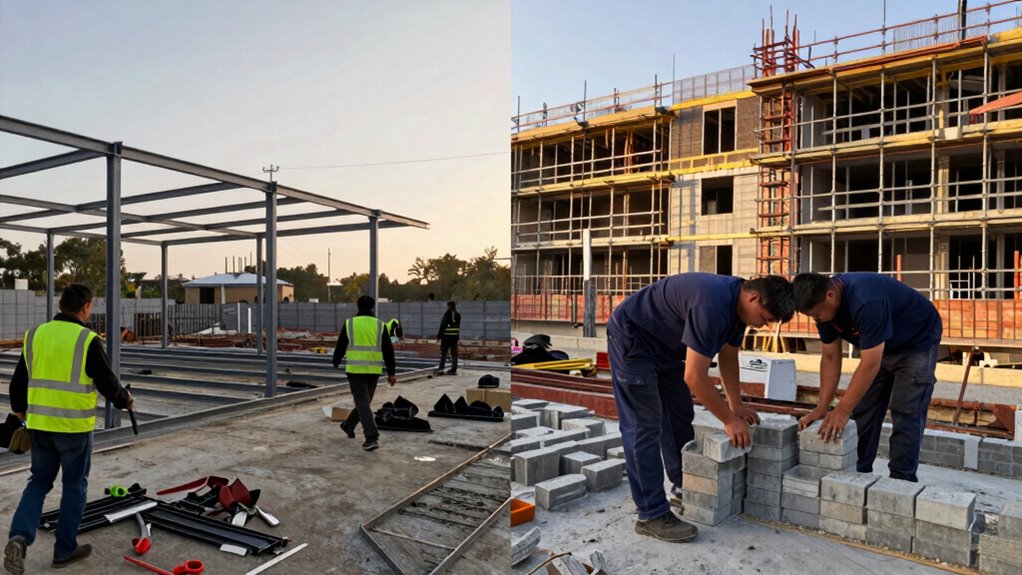
Have you ever wondered whether it’s better to prioritize speed or quality when building a product? It’s a common dilemma faced by teams trying to meet tight deadlines while guaranteeing their product is reliable and user-friendly. The answer often depends on your approach, especially if you’re using an agile methodology. Agile emphasizes iterative development, which allows you to deliver small, manageable features quickly. This approach can help you get a product to market faster, but it also requires a strong focus on quality assurance throughout the process. You can’t simply rush out features without thorough testing, or you risk introducing bugs that could cost more time and resources later.
Balancing speed and quality is key; agile development helps deliver quickly without sacrificing reliability.
When speed becomes the primary goal, you might cut corners on testing and validation to meet deadlines. But that’s a risky move. Building fast isn’t just about deploying quickly; it’s about maintaining a sustainable pace that still assures quality. Agile teams prioritize continuous integration and frequent testing, which helps catch issues early before they snowball into bigger problems. Quality assurance becomes an integral part of your workflow, not an afterthought. By integrating testing into each sprint, you improve the overall quality without sacrificing speed. This way, you’re building with both agility and assurance, reducing the likelihood of costly fixes down the line.
On the other hand, building well often implies taking the time to thoroughly plan, design, and test every feature. While this may delay initial delivery, it results in a more stable, scalable product. If you’re aiming for a long-term solution, prioritizing quality might be the smarter choice. However, it’s essential to balance this with the need to stay competitive. Rushing to market with a half-baked product can damage your reputation and force costly revisions later. That’s where agile methodology really shines—it helps you find that middle ground. You can iterate quickly, learn from user feedback, and improve steadily, all while maintaining a high standard of quality assurance.
Ultimately, the real difference between building fast and building well isn’t about choosing one over the other, but about integrating both into your process. When you adopt an agile mindset, you can accelerate delivery without sacrificing quality. Proper quality assurance practices—automated testing, continuous feedback, and incremental releases—ensure that speed doesn’t come at the expense of reliability. It’s about working smarter, not just faster, so that you build a product that’s both quick to market and built to last. Additionally, understanding the importance of content quality helps ensure that your project aligns with user expectations and long-term success. Incorporating content quality management into your development process can significantly enhance user trust and product credibility over time.
automated software testing tools
As an affiliate, we earn on qualifying purchases.
As an affiliate, we earn on qualifying purchases.
Frequently Asked Questions
How Do You Measure Quality Versus Speed in Construction?
You measure quality versus speed in construction by adopting a construction mindset that prioritizes quality assurance alongside efficiency. Focus on setting clear standards, conducting regular inspections, and ensuring materials meet specifications. While speed aims for quick completion, quality emphasizes durability and safety. Balancing both involves tracking progress carefully, addressing issues promptly, and maintaining communication. This approach guarantees you deliver a project that’s not just fast but also built to last.
Can Building Quickly Compromise Long-Term Durability?
Building quickly can sometimes cut corners, risking long-term durability like a house of cards ready to fall. You might save time initially, but it can compromise construction ethics and project sustainability. Rushing often neglects thorough inspections and quality materials, which are essential for lasting structures. So, while speed is tempting, it’s critical to balance it with responsible practices to guarantee your project stands the test of time and upholds ethical standards.
What Industries Prioritize Building Fast Over Building Well?
In industries like tech startups, software development, and fashion, rapid development often takes precedence over building well. They prioritize efficiency trade-offs to release products quickly, gain market share, or stay ahead of competitors. While this approach accelerates growth, it can sometimes lead to technical debt or quality issues. You must weigh the benefits of speed against potential long-term risks, ensuring that quick wins don’t compromise future stability.
How Does Team Skill Affect the Building Process?
Your team’s skill level can make or break your project — it’s like the difference between a rocket and a bicycle. When your team collaborates effectively and invests in skill development, they build faster and more reliably. Skilled team members troubleshoot issues quickly, adapt to changes seamlessly, and produce high-quality work. Without continuous skill growth, even the most talented team can hit roadblocks, slowing progress and risking project failure.
Are There Cost Differences Between Fast and Well-Built Projects?
Fast projects often cost less upfront due to quicker timelines, but they can lead to higher long-term costs from rework or quality issues. Well-built projects may require more initial investment, but they tend to be more cost-efficient over time, thanks to better durability and fewer repairs. Your focus on budget management should balance initial costs with long-term value to guarantee overall cost efficiency.
Conclusion
Ultimately, choosing between building fast or building well depends on your goals. If you rush to meet a deadline, you might compromise quality, risking costly rework. Conversely, taking time to build well ensures durability and customer satisfaction. For example, a startup rushed a product launch, leading to bugs and negative reviews, while a competitor took longer but delivered a polished app that gained loyal users. Prioritize wisely—speed or quality—based on what your project truly needs.
Halloween Picks
halloween
As an affiliate, we earn on qualifying purchases.