
A tiny mistake, like choosing shoes that are too tight or too loose, can quietly cause bigger problems over time. Ill-fitting shoes lead to discomfort, blisters, and long-term deformities like bunions or hammertoes. If you ignore these signs and don’t check for proper fit, your foot health can suffer and issues may worsen. Keep an eye on fit changes now—learning more can help you prevent serious problems down the line.

Get business pricing on tools and workshop supplies
- Business-only prices and quantity discounts
- Tax-exempt purchasing
- Multiple users, one account, clear invoices
Key Takeaways
- Small fitting mistakes can cause discomfort and deformities over time if left uncorrected.
- Ignoring minor fit issues during growth stages can lead to long-term foot problems.
- Regular fit checks prevent small issues from evolving into serious alignment or gait problems.
- Even tiny misfits can disrupt natural foot development, causing lasting structural issues.
- Early correction of small fit errors promotes healthy foot growth and reduces future health risks.
Even small mistakes in your child’s fitting routine can snowball into bigger problems down the line. When it comes to choosing the right fit for your child’s footwear, you’re laying the foundation for their comfort, safety, and overall foot health. If you rush or overlook the importance of proper fit evolution, you might unintentionally compromise your child’s safety and set the stage for future issues. Small errors early on—like choosing shoes that are too tight or too loose—can lead to discomfort, blisters, or even long-term deformities. Child safety is paramount, and ensuring the correct fit helps prevent accidents or injuries caused by slipping or tripping in improperly fitted shoes.
Small fitting mistakes can lead to discomfort and long-term foot issues for children. Prioritize proper shoe fit.
As your child’s feet grow, their fitting needs change constantly. The fit evolution is a critical process that requires your attention and understanding. When you neglect this, shoes may become too tight, restricting growth and causing pain, or too loose, which makes walking unstable and unsafe. Tracking these changes and adjusting accordingly isn’t just about comfort—it’s about fostering healthy foot development. If you ignore signs of poor fit, your child might develop issues like bunions, hammertoes, or other alignment problems that could persist into adulthood. This is why paying close attention to fit evolution is essential for child safety and long-term foot health. Regularly monitoring their shoes can help detect these changes early and prevent complications. Additionally, understanding shoe fit and its impact on foot development can help you make more informed choices for your child’s health. Recognizing the importance of proper fit can also reduce the risk of future musculoskeletal problems linked to ill-fitting footwear. It’s also helpful to consult with footwear specialists who understand foot growth patterns for optimal guidance.
You might think that once you find the right size, you can stick with it. But children’s feet grow rapidly, and what fits perfectly today might be too small in just a few months. Regularly checking their shoes for proper fit becomes a necessary routine. Look for a thumb’s width of space at the toe, no pinching or pressure points, and a snug heel fit. These small adjustments ensure you’re supporting their natural growth and movement. Properly fitted shoes also promote better posture and gait, reducing the risk of future musculoskeletal problems. Understanding the importance of proper fit and regularly assessing it can make all the difference in your child’s development and safety. Staying vigilant about fit changes can also help prevent discomfort and long-term health issues related to poor footwear choices. Remember, a proactive approach to shoe fit can significantly contribute to your child’s overall well-being.
As an affiliate, we earn on qualifying purchases.
Frequently Asked Questions
How Can I Prevent Small Mistakes From Escalating?
You can prevent small mistakes from escalating by implementing quality assurance measures and providing thorough employee training. Regularly review processes to catch errors early, and encourage open communication where team members feel comfortable reporting issues. Invest in ongoing training to reinforce best practices and guarantee everyone understands their roles. By catching mistakes early and fostering a culture of accountability, you minimize the risk of tiny errors growing into major problems later on.
What Are Common Signs of a Developing Fit Problem?
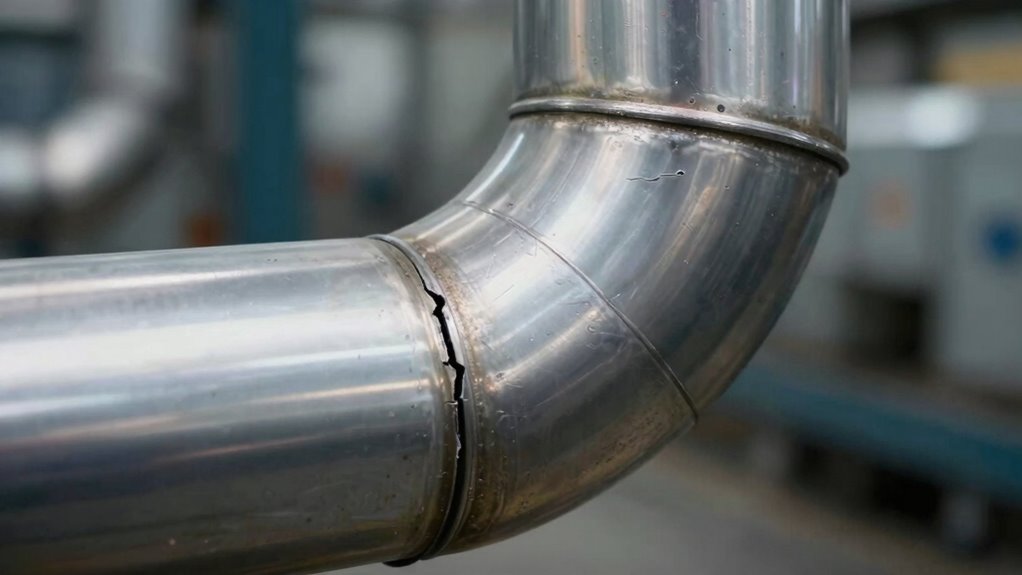
You’ll notice signs like persistent discomfort, misalignment, or difficulty assembling, indicating a developing fit problem. Pay attention to design adjustments that seem to cause strain or material incompatibility issues, such as cracks or warping. Address these early by reassessing the design or choosing more compatible materials. Catching these signs early helps prevent small issues from worsening, saving time and resources later on.
Are There Quick Fixes for Minor Fitting Errors?
Quick fixes for minor fitting errors often involve adjusting fabric tension and improving seam accuracy. You can try loosening or tightening stitches to correct fabric tension, which helps the garment sit better. Seam adjustments, like resewing slightly or using seam tape, can also make a difference. Remember, these small tweaks can prevent bigger issues later, proving that addressing tiny mistakes early keeps your fit perfect and saves you time and effort.
How Often Should I Check for Fit Issues During Manufacturing?
You should check for fit issues regularly during manufacturing, ideally after each critical step. Incorporate quality control measures early, focusing on material selection to prevent discrepancies. Frequent inspections allow you to catch minor problems before they escalate, saving time and resources. By staying vigilant and monitoring fit consistency, you guarantee the final product meets standards and reduces the risk of big problems caused by overlooked errors.
Can Small Mistakes Affect Product Safety?
Yes, small mistakes can impact product safety. Overlooking design considerations or rushing material selection might lead to weaknesses or failures later on. Even tiny errors in measurement or choice of materials can compromise structural integrity or safety features. You need to carefully review every detail, especially during initial design and material selection, to guarantee your product remains safe throughout its lifespan. Regular quality checks help catch these issues early.
Conclusion
Remember, a tiny mistake today can snowball into a big fit problem tomorrow. If you ignore small issues, they grow bigger, more complicated, and harder to fix. Pay attention to the details, address concerns early, and act promptly. Because, in the end, what starts as a small mistake can turn into a major problem—unless you catch it early, fix it quickly, and prevent it from escalating. Stay vigilant, stay proactive, and handle the small things before they become the big things.
Fall yard work Picks
leaf blowers
As an affiliate, we earn on qualifying purchases.