
Anti-static hoses matter because they’re vital for preventing fires and explosions in industries where static electricity is a constant threat. They dissipate static effectively, guaranteeing safe transport of flammable materials and minimizing unexpected shutdowns. Using these hoses enhances operational efficiency and contributes to a safer work environment. Regular maintenance guarantees they perform reliably over time. To discover how you can further improve safety and productivity in your operations, keep exploring the essential aspects of anti-static technology.

Get business pricing on tools and workshop supplies
- Business-only prices and quantity discounts
- Tax-exempt purchasing
- Multiple users, one account, clear invoices
Key Takeaways
- Anti-static hoses prevent fire and explosion risks in industries dealing with flammable materials, ensuring safety during operations.
- They enhance operational efficiency by reducing unexpected shutdowns, allowing consistent workflows in critical sectors.
- Regular maintenance of anti-static hoses ensures reliability, prolonging their lifespan and maintaining safety standards.
- The choice of durable materials directly influences the effectiveness of static dissipation, impacting overall workplace safety.
- Incorporating advanced anti-static technology improves safety measures, making it essential beyond theoretical considerations.

In industries where static electricity can spark dangerous fires or explosions, using an anti-static hose is vital. You might not think about it often, but the materials you select for your operations can greatly influence industrial safety. Anti-static hoses are designed to dissipate static electricity, reducing the risk of ignition during the transport of flammable materials. This isn’t just theoretical; it’s a practical necessity in various sectors, including chemical manufacturing, pharmaceuticals, and even food processing.
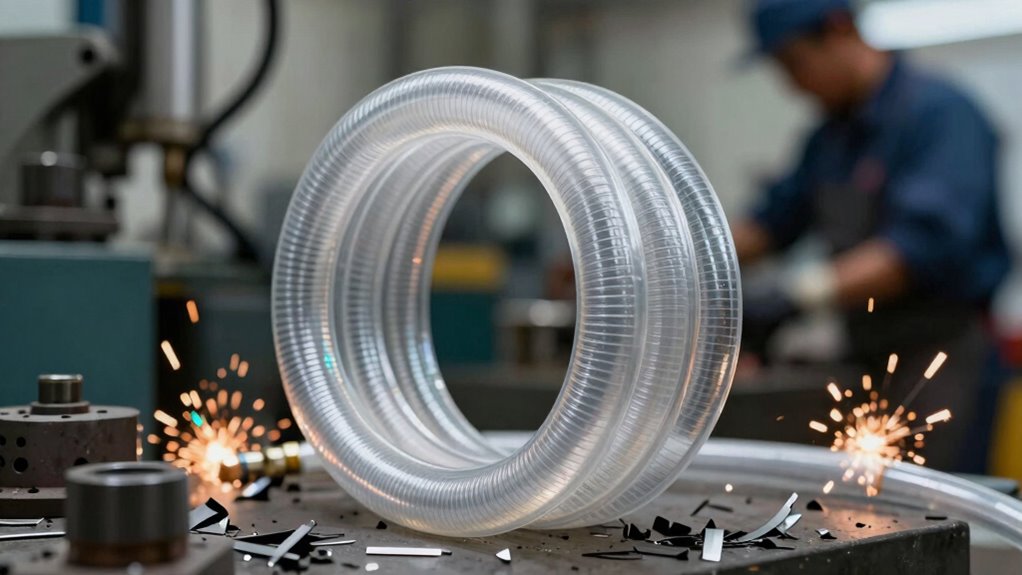
When you choose the right anti-static hose, you gain a host of performance benefits. These hoses are constructed from materials specifically engineered to prevent the buildup of static charge. This means they not only keep your operation safe but also enhance efficiency. You won’t have to worry about unexpected shutdowns or accidents that could arise from static discharges. Instead, you can focus on maintaining a consistent workflow, knowing that the hose you’re using is actively working to prevent hazards.
You’ll find that effective maintenance practices play an important role in maximizing the performance of your anti-static hose. Regular inspections and proper cleaning can prolong the life of the hose and guarantee it continues to function as intended. When you keep an eye on wear and tear, you can address potential issues before they escalate into serious problems. This not only saves you money in the long run but also contributes to a safer work environment. Incorporating proper maintenance practices is essential for ensuring the longevity and safety of your anti-static hoses. Additionally, selecting hoses made from durable materials can enhance their resistance to environmental stressors, which is crucial for maintaining static dissipation capabilities over time. Using hoses with advanced anti-static technology can further boost safety by providing more reliable static control even under challenging conditions. Moreover, understanding static electricity and how it interacts with different materials can help in choosing the most effective hoses for your specific application.
anti-static hose for flammable materials
As an affiliate, we earn on qualifying purchases.
As an affiliate, we earn on qualifying purchases.
Frequently Asked Questions
What Materials Are Commonly Used in Anti-Static Hoses?
Common hose materials for anti-static applications include PVC, polyurethane, and rubber. These materials are engineered with conductivity factors to prevent static build-up, ensuring safety in environments where flammable substances are present. When choosing an anti-static hose, you should consider the specific application and the environment it’ll be used in. By selecting the right materials, you reduce the risk of static discharge and enhance overall performance in your operations.
How Does Static Electricity Affect Industrial Processes?
Imagine a spark igniting a fire in a dusty warehouse; that’s the danger of static electricity in industrial processes. Static discharge can lead to explosions or equipment failure, endangering both lives and productivity. You need to prioritize industrial safety by implementing electrostatic control measures. Choosing materials with proper conductivity in your hoses guarantees safe operation, preventing unwanted sparks and maintaining a stable environment for your operations. Don’t let static be your silent enemy!
Can Anti-Static Hose Be Used in Residential Settings?
Yes, anti-static hose can definitely be used in residential settings. By incorporating it into your home projects, you enhance residential safety by reducing the risk of static electricity buildup. Whether you’re using it for vacuuming, dust collection, or other hose applications, you’ll appreciate the peace of mind. It not only protects your equipment but also guarantees a safer environment for you and your family. So, consider it for your next DIY task!
What Are the Signs of a Failing Anti-Static Hose?
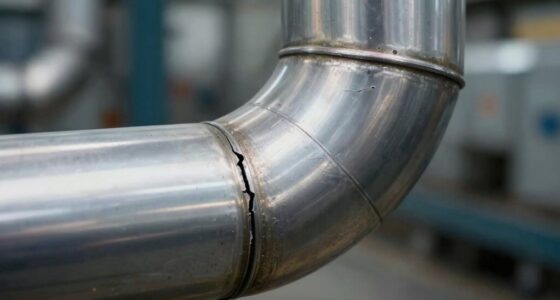
When you see cracks like spider webs creeping along your anti-static hose, it’s a warning sign of deterioration. Discoloration or stiffness can signal safety compliance issues, too. You might notice unusual hissing sounds or leaks, like whispers of danger lurking. Always check for wear around the fittings, as they can show strain. If you spot these indicators, it’s time to replace the hose to keep your environment safe and functional.
How Do I Properly Maintain an Anti-Static Hose?
To properly maintain your anti-static hose, start with regular hose cleaning to remove any dust or debris. Use mild soap and water, avoiding harsh chemicals. Also, keep an eye on pressure monitoring; guarantee it stays within the recommended limits to prevent damage. Inspect for wear and tear frequently, and replace any damaged sections promptly. By doing these steps, you’ll extend the hose’s lifespan and maintain its effectiveness.
Conclusion
In the world of industrial operations, ignoring anti-static hose is like playing with fire in a powder keg. You may think it’s just theory, but the reality is far more dangerous. By prioritizing anti-static solutions, you’re not just preventing accidents; you’re safeguarding your entire operation. So, don’t wait for a spark to ignite chaos—invest in the right equipment today and guarantee your workplace remains as safe as it is efficient. Your future depends on it.
Halloween Picks
halloween
As an affiliate, we earn on qualifying purchases.