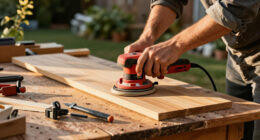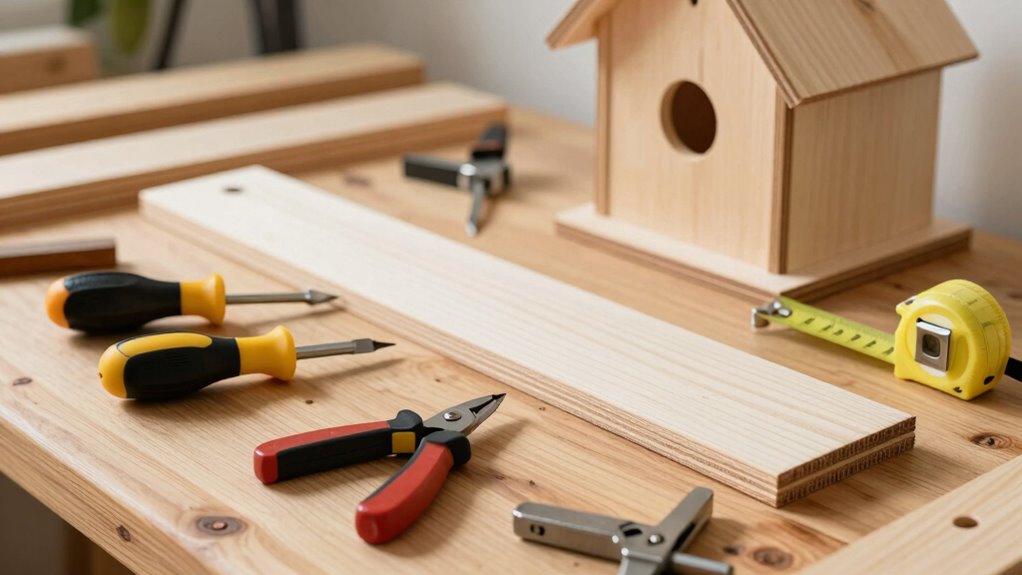
To build skills without burnout, start with small, manageable DIY projects that match your current abilities and tools. As you complete these, gradually tackle larger tasks, ensuring each step feels achievable. Break goals into clear milestones and focus on learning rather than rushing. Proper planning and patience help you stay motivated and confident. Keep progressing at a steady pace, and you’ll develop your skills without feeling overwhelmed—if you keep exploring, more tips await to guide you further.

Get tools and workshop supplies delivered free — and shop member deals
- Fast, free delivery on millions of items
- Access to Prime Big Deal Days deals on October 6–7
- Prime Video, Amazon Music and more included
Key Takeaways
- Start with small, manageable projects to develop foundational skills and confidence gradually.
- Plan and break projects into clear, achievable steps to prevent overwhelm and ensure steady progress.
- Increase project complexity gradually as skills and resources grow to maintain motivation.
- Ensure tools and materials are prepared and appropriate for the project size to avoid frustration.
- Focus on learning and improvement over speed to sustain engagement and prevent burnout.
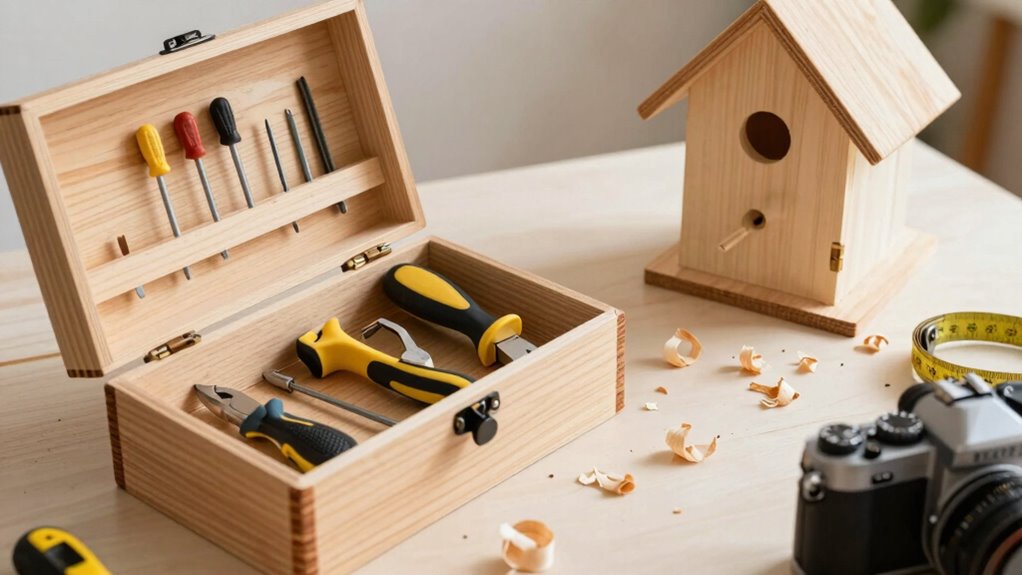
Ever wondered how to determine the right size for your DIY project? It all comes down to balancing your skill level, available time, and resources. When you start planning, think about your crafting tools and how they fit into your project scope. Smaller projects allow you to familiarize yourself with your tools, build confidence, and refine your techniques without feeling overwhelmed. Larger projects, on the other hand, can be rewarding but may stretch your abilities and patience too thin. The key is to choose a size that pushes your skills just enough to keep you engaged without causing frustration or burnout.
Choose project sizes that challenge your skills without causing frustration or burnout.
Effective project planning is essential in selecting the appropriate size. Break down your goal into manageable steps, and assess whether you have the necessary tools and materials for each phase. If you’re just beginning, opt for projects that require basic crafting tools and straightforward steps. For example, making a simple picture frame or a small shelf can give you a sense of accomplishment and help develop foundational skills. These smaller projects serve as stepping stones, gradually preparing you for more complex tasks. Recognizing progressive skill development can help you stay motivated and focused on growth. Additionally, setting clear milestones can help you measure your progress and stay on track.
As you gain confidence, you can gradually increase the size of your projects. Don’t jump straight into large-scale furniture or intricate woodworking unless you’re ready. Instead, scale up gradually, always ensuring you have the right tools for each stage. This approach helps prevent frustration and keeps the process enjoyable. Remember, the goal is to learn and improve, not to rush through a project just to finish it. Consistent, manageable projects allow you to practice techniques, troubleshoot issues, and refine your skills without feeling overwhelmed. Building confidence through small successes can significantly enhance your motivation and enjoyment.
Involving your crafting tools early on in project planning allows you to identify potential challenges ahead of time. For instance, if your project requires a power saw or specific measurements, ensure those tools are available and in good condition. This preparation minimizes setbacks and keeps your workflow smooth. Choosing a project size that aligns with your current skill set and available tools helps you stay motivated and avoid the risk of burnout. When you finish a project successfully, it boosts your confidence and encourages you to take on bigger challenges. Moreover, understanding your tool capabilities ensures you select projects that are appropriate for your current equipment and skill level.
Ultimately, the right size for your DIY project is one that stretches your abilities just enough to promote growth but doesn’t push you beyond your limits. By carefully planning and selecting projects that match your skill level and resources, you set yourself up for success. This balanced approach ensures you enjoy the process, learn new skills, and build confidence—while avoiding the fatigue that often comes with taking on projects that are too big or complex too soon. Recognizing the importance of skill development in your projects can help you choose appropriately challenging tasks that foster growth without risking burnout.
As an affiliate, we earn on qualifying purchases.
Frequently Asked Questions
How Do I Determine My Ideal Project Size?
To determine your ideal project size, assess your current skill level honestly and choose a project with a manageable scope. Start with small, focused tasks that challenge you without overwhelming. As you gain confidence and experience, gradually increase the project scope. Pay attention to how much time and effort you can dedicate without feeling burned out. This balance helps you build skills steadily while maintaining enjoyment and motivation.
What Tools Are Essential for Small DIY Projects?
For small DIY projects, you need essential tools like a reliable saw, hammer, screwdrivers, and a measuring tape. Keep your tools in good condition through regular tool maintenance to guarantee safety and efficiency. Focus on proper material selection to match your project’s needs, which simplifies work and improves results. With these tools and good practices, you’ll build skills effectively without feeling overwhelmed or risking burnout.
How Can I Stay Motivated on Larger Projects?
To stay motivated on larger projects, break them into smaller tasks and regularly engage in project brainstorming to keep ideas fresh. Celebrate each milestone, recognizing how it contributes to your skill development. Keep your end goal in mind, and don’t hesitate to seek inspiration from similar projects. Taking consistent, manageable steps helps maintain momentum, prevents burnout, and makes the process enjoyable as you see your skills grow.
What Safety Precautions Should I Take Regardless of Project Size?
You should always prioritize safety by wearing appropriate safety gear like goggles, gloves, and masks to protect yourself from hazards. Conduct a risk assessment before starting your project to identify potential dangers and plan how to mitigate them. Keep your workspace organized, stay alert, and follow all safety instructions. Being proactive guarantees you minimize accidents, no matter the project size, and helps you build skills safely and confidently.
How Do I Manage Time Effectively for DIY Projects?
Think of your DIY journey as a well-orchestrated symphony; creative brainstorming sets your melody, while time management keeps each note in harmony. To stay on beat, set clear goals, create a realistic schedule, and break projects into manageable chunks. Prioritize tasks, avoid distractions, and allocate specific time slots. This rhythm guarantees you craft with joy and skill, without rushing or burning out, turning your projects into beautiful, fulfilling compositions.
Conclusion
By balancing boldness with boundaries, you’ll build your skills without burning out. Starting small sparks steady success, while scaling thoughtfully sustains your enthusiasm. Remember, patience and persistence paint the perfect pathway to progress. So, choose a manageable project, embrace the journey, and celebrate each small step. With mindful measures and motivated mindset, you’ll master more than just your materials—you’ll mold a more confident, creative you. Keep creating, and enjoy every exciting, achievable step along the way!
Fall Picks
fall essentials
As an affiliate, we earn on qualifying purchases.