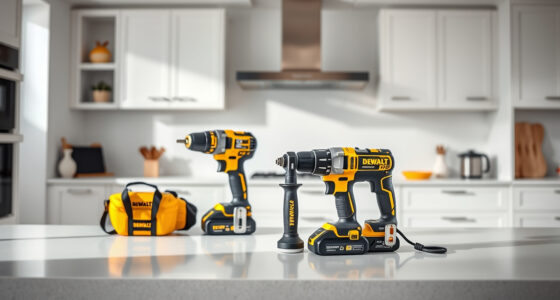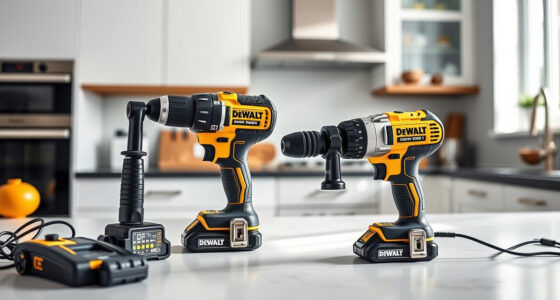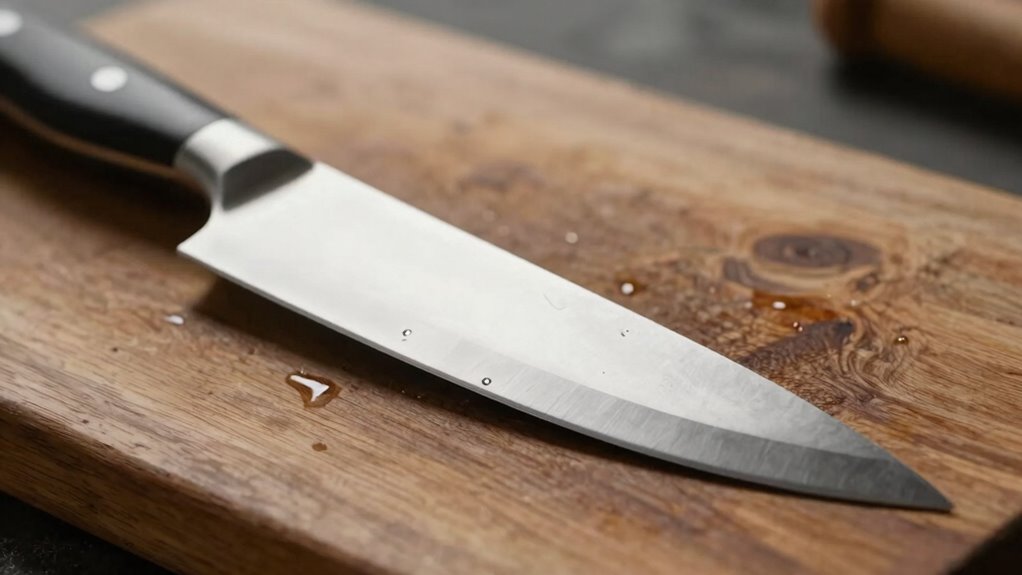

You feel safer with a sharp tool because its design offers better control and requires less effort, making handling more intuitive. When a tool fits comfortably in your hand, it naturally aligns with your movements, reducing the chance of slips or fumbles. Ergonomic features also help you trust the tool’s stability, boosting confidence before you even start cutting. Keep exploring how design influences safety—there’s more to discover beyond the surface.

Get business pricing on tools and workshop supplies
- Business-only prices and quantity discounts
- Tax-exempt purchasing
- Multiple users, one account, clear invoices
Key Takeaways
- Sharp tools provide better control and precision, which enhances perceived safety before use.
- Ergonomic design ensures a comfortable grip, reducing the risk of slips and increasing confidence.
- Familiarity with a sharp tool fosters muscle memory, making handling feel more secure.
- The natural feel of a sharp, well-designed tool reduces tension and promotes safer maneuvering.
- Users perceive sharp tools as safer because they require less force, decreasing the chance of accidents.

Many people instinctively feel more comfortable handling sharp tools because their precision and control seem to promise safety, even before they actually cut. This sense of confidence often stems from how a tool fits comfortably in your hand and how intuitively you can maneuver it. The design of the tool plays a significant role here—especially when it features ergonomic design principles. When a tool is designed with your hand’s natural grip in mind, you don’t have to think twice about how to hold it; it simply feels right. This ergonomic approach reduces strain and minimizes the chance of slips, making you feel more in control and, consequently, safer before you even begin to cut.
Your familiarity with the tool also boosts this sense of safety. When a tool has an ergonomic design, it aligns with your muscle memory and natural movements. The more you use a well-designed, familiar tool, the more confident you become in your ability to handle it safely. This isn’t just about comfort; it’s about trust—trust that your grip will stay firm, your movements will be precise, and accidents are less likely to happen. The familiarity created by ergonomic features means you’re less likely to fumble or exert extra force, which can lead to slips or cuts. When you’re used to a tool’s feel, you’re more likely to approach each cut with a steady hand, reinforcing the perception that it’s safer, even before you’ve started. Additionally, ergonomic design can help prevent fatigue, which further contributes to safer handling over extended periods.
Furthermore, an ergonomic design can also influence your overall perception of safety, making you more comfortable and confident in your actions. The psychological impact of ergonomic design and user familiarity reinforces your perception of safety. When a tool feels natural, you’re less tense and more focused, which improves your overall control. This can also decrease muscle strain, helping you maintain precision and avoid accidents. The sense of safety isn’t just in how the tool physically fits your hand, but also in how it aligns with your expectations and experience. Proper ergonomic design fosters familiarity, which in turn, encourages you to handle tools with confidence. It’s this seamless connection between how a tool feels, how well you know it, and how safe you believe it to be that makes sharp tools seem inherently safer even before they begin to cut.
As an affiliate, we earn on qualifying purchases.
Frequently Asked Questions
How Do Sharp Tools Prevent Accidents Compared to Dull Ones?
Sharp tools prevent accidents because they require less force, reducing slips and loss of control. With an ergonomic grip, you can hold the tool securely, minimizing hand fatigue. Clear blade visibility helps you see exactly where you’re cutting, avoiding mistakes. Dull tools tend to slip, increasing risk, but sharp tools give you more precision and confidence, making your work safer from start to finish.
What Safety Features Are Common in Sharp Tools?
You’ll find that sharp tools often feature safety elements like ergonomic design, which helps you grip comfortably and control movements better, reducing accidents. Regular tool maintenance keeps blades sharp and prevents unexpected slips. Many sharp tools also include safety locks or guards to protect your hands. These features work together, making sharp tools feel safer and easier to handle, so you can work confidently while minimizing risks.
Are There Specific Materials That Make Tools Safer?
Yes, specific materials can make tools safer. For example, tools made with high-quality, corrosion-resistant metals enhance material safety by reducing breakage risks. Durable materials also improve tool durability, ensuring they withstand heavy use without failure. When you choose tools with safer materials, you lower the chance of accidents, giving you peace of mind while working. Always look for high-grade materials to maximize safety and longevity in your tools.
How Should I Handle a Sharp Tool to Avoid Injury?
Don’t put all your eggs in one basket when handling sharp tools—always stay cautious. Keep a firm grip with an ergonomic handle to maintain control, and always cut away from your body. Store tools properly in a designated place to prevent accidents. When passing a sharp tool to someone, offer it handle-first. These habits help you avoid injury, ensuring safe use every time.
Do Safety Gloves Improve Protection With Sharp Tools?
Yes, safety gloves enhance your protection when handling sharp tools. They act as protective gear, guarding your hands against accidental cuts. Choose gloves with ergonomic design to guarantee comfort and better grip, reducing the risk of slips. While gloves are helpful, remember they’re just one part of safety; always handle tools carefully, maintain focus, and use proper techniques to stay safe during your work.
Conclusion
So next time you pick up a sharp tool, remember: safety begins before the cut. Sharpness isn’t just about better performance; it’s about confidence, control, and avoiding accidents. A razor-sharp edge whispers, “Trust me,” inviting you to handle with care and respect. When your tools are sharp, safety isn’t a gamble—it’s a promise you make to yourself. Embrace the edge, and let safety cut a clear path ahead.
Halloween Picks
halloween
As an affiliate, we earn on qualifying purchases.