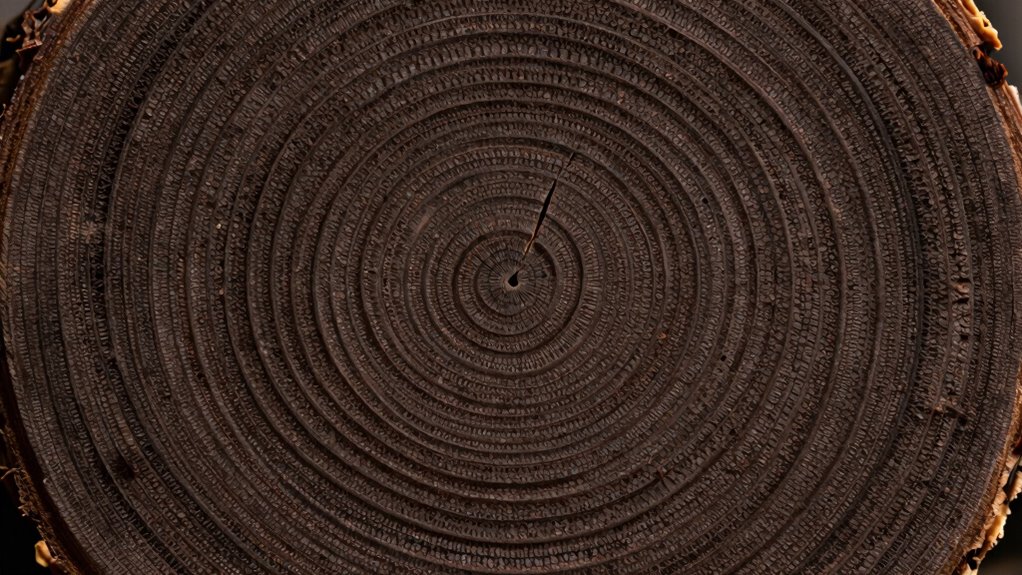

End grain deserves more respect because it substantially affects your project’s strength and appearance. It’s highly absorbent, prone to splitting, and can cause tear-out if not handled carefully. Proper techniques like sealing and scoring are essential for a polished finish and durable joints. By understanding and respecting end grain, you can improve both the quality and beauty of your work. Keep exploring to discover even more ways to make your projects better.

Get business pricing on tools and workshop supplies
- Business-only prices and quantity discounts
- Tax-exempt purchasing
- Multiple users, one account, clear invoices
Key Takeaways
- End grain is highly absorbent and prone to splintering, requiring careful handling and respect to prevent damage.
- Proper techniques like sealing and scoring enhance durability and reduce tear-out during woodworking.
- Recognizing end grain’s unique texture and pattern adds aesthetic value and character to projects.
- Understanding its properties ensures stronger joints, better finishes, and increased longevity of the workpiece.
- Respecting end grain elevates craftsmanship and results in more durable, professional-quality woodwork.
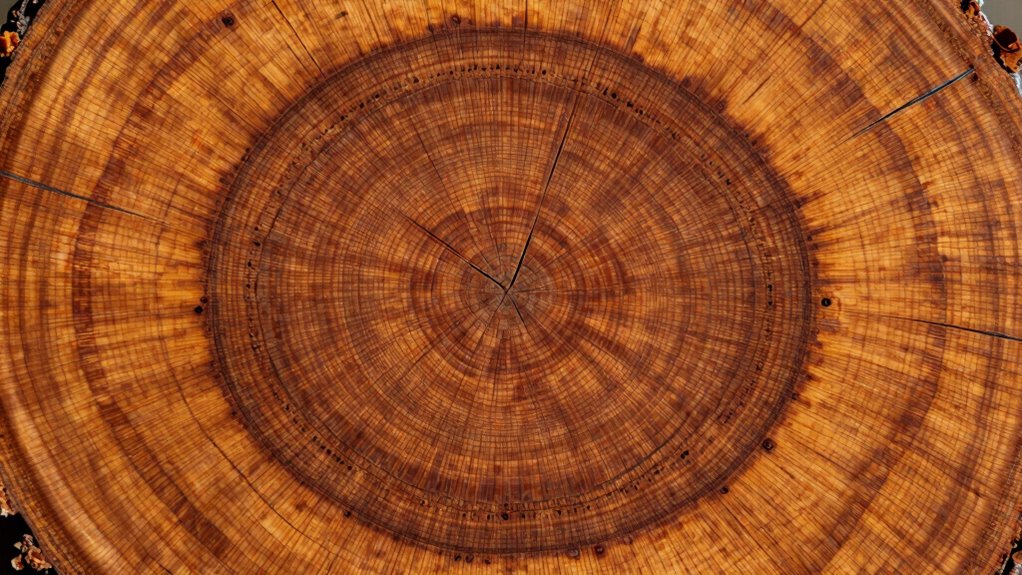
Have you ever truly appreciated the unique beauty and durability of end grain in woodworking? If not, it’s time to start paying more attention. Many beginners overlook end grain because it doesn’t seem as straightforward or as polished as side or face grain. But understanding its significance can elevate your woodworking projects and deepen your craftsmanship. The key lies in recognizing the importance of grain orientation and mastering the right woodworking techniques to work with end grain effectively. Recognizing how grain orientation influences strength and finishing outcomes is essential for any woodworker aiming to improve their skills.
Discover the beauty and strength of end grain—embrace its uniqueness to elevate your woodworking craft.
When you look at a piece of wood, the grain orientation tells you a lot about its strength and how it reacts to cutting and finishing. End grain is the exposed surface at the cut ends of wood fibers, and it differs dramatically from the flat, surface grain. This orientation makes end grain highly absorbent and sensitive to moisture. It’s also more prone to splitting if not handled carefully, which is why many beginners avoid working with it or underestimate its value. However, instead of shying away, you should learn how to incorporate end grain into your projects intentionally. Proper woodworking techniques, such as sealing the end grain before applying glue or stain, can prevent splintering and uneven absorption, resulting in a cleaner, more durable finish. Understanding the properties of end grain can help you anticipate and mitigate common issues, especially when working with different types of wood and finishes. Additionally, learning about grain porosity can guide you in choosing the right finishes and treatments for your projects.
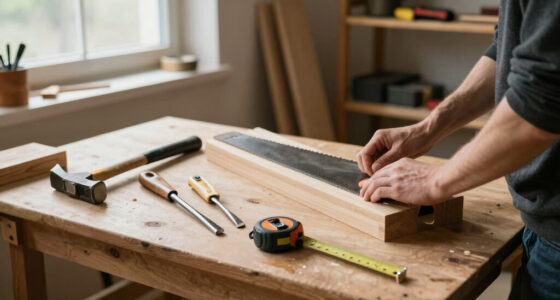
Respect for end grain begins with understanding how it behaves during different woodworking techniques. For example, when you plan to join pieces, knowing how to orient the grain can improve the strength of your joints. Cutting against the end grain requires sharp tools and controlled pressure because it’s more delicate. Using techniques like scoring or sealing the end grain beforehand can help minimize tear-out and splintering. Additionally, applying finish or glue to end grain needs different handling—more coats or sealants often yield better results since the porous surface tends to soak up liquids quickly. This attention to detail shows respect for the material and ensures your work lasts longer. Recognizing the importance of grain orientation can significantly enhance the durability and appearance of your projects.
Far too many beginners see end grain as a flaw or a challenge to hide rather than a feature to embrace. But when you understand its properties and learn how to work with it using proper woodworking techniques, you unlock new possibilities. End grain’s natural beauty, with its intricate patterns and textures, can add character to your projects. It’s also an essential element for craft applications like cutting boards or furniture edges, where durability and aesthetic appeal matter. By respecting the properties of end grain and mastering techniques suited for end grain, you’re not just improving your skills—you’re honoring the inherent qualities of the wood itself. The more you explore and work with end grain, the more you’ll appreciate its strength, beauty, and potential in your woodworking journey.
As an affiliate, we earn on qualifying purchases.
Frequently Asked Questions
How Does End Grain Affect Wood Durability Over Time?
End grain impacts wood durability over time because it absorbs moisture more quickly, leading to increased grain expansion and contraction. This constant moisture absorption and release can cause the wood to crack or warp faster. However, with proper sealing and treatment, you can minimize these effects, protecting the wood from damage and extending its lifespan. Recognizing the role of end grain helps you choose and maintain wood projects better.
Can End Grain Be Used Effectively in Furniture Design?
Yes, you can use end grain effectively in furniture design, especially for decorative applications. Its unique grain orientation creates striking patterns and textures that add visual interest. Incorporating end grain in accents or tabletops highlights craftsmanship and offers durability. When used thoughtfully, it enhances the aesthetic appeal of your furniture, making pieces stand out with natural beauty and a distinctive, textured look that showcases the wood’s character.
What Are Common Mistakes Beginners Make With End Grain?
Like a novice painter, you might rush, neglecting proper finishing techniques and cutting strategies that highlight end grain’s beauty. Beginners often overlook the importance of sealing the porous surface, leading to chips or uneven finishes. They also cut against the grain, causing splintering. To avoid these mistakes, take your time, refine your techniques, and respect the unique character of end grain—treat it with patience and precision, and it will reward you.
How Does End Grain Influence Woodworking Tool Wear?
End grain influences woodworking tool wear profoundly because its grain orientation is denser and more abrasive, causing blades and chisels to dull faster. You’ll notice increased friction during cutting, which requires more frequent tool sharpening. To combat this, you should adjust your technique and maintain sharp tools regularly. Properly understanding how end grain affects tool wear helps extend your tools’ lifespan and improves the quality of your woodworking projects.
Are There Specific Wood Types Better Suited for End Grain Projects?
You’ll find that hardwoods like maple, cherry, and walnut are better suited for end grain projects because of their tight wood grain and durability. These woods handle cutting techniques well, resulting in cleaner cuts and less tool wear. Softer woods, such as pine or cedar, tend to chip or tear during end grain work, making them less ideal. Choosing the right wood guarantees your project’s quality and longevity.
Conclusion
So, next time you’re working with wood, give end grain the respect it truly deserves. Recognize its roughness, but also its resilience and raw beauty. By embracing this often-overlooked detail, you reveal a world of woodworking wonder. Respect the rough, revel in the resilience, and realize that mastering end grain means more than just making cuts — it’s about cultivating craftsmanship, confidence, and creativity in every carve and corner.
Halloween Picks
halloween
As an affiliate, we earn on qualifying purchases.