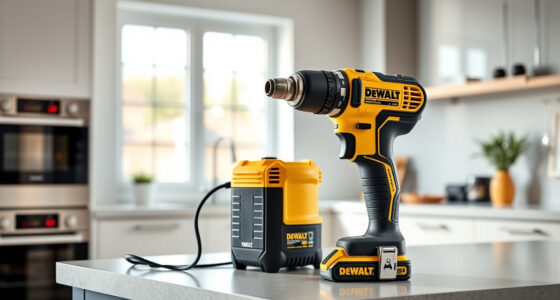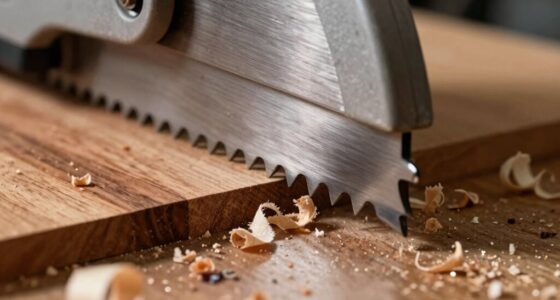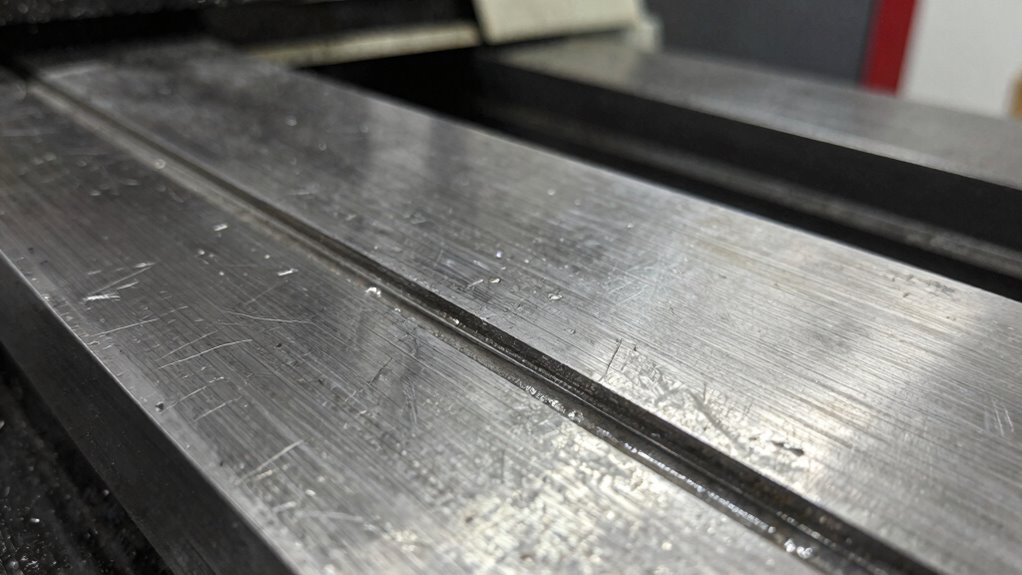

One common mistake you might make as a beginner in CNC machining is choosing the wrong tool for your material. Using an unsuitable end mill for aluminum, for instance, can result in rough surfaces and increased tool wear. It’s essential to take into account tool geometry, coating, and compatibility with your machine to guarantee a smooth finish. By improving your tool selection and understanding feed rates, you can enhance your machining quality. There’s plenty more to learn to perfect your skills.

Get business pricing on tools and workshop supplies
- Business-only prices and quantity discounts
- Tax-exempt purchasing
- Multiple users, one account, clear invoices
Key Takeaways
- Choosing the wrong tool for the material type can result in poor surface finishes and potential damage to the workpiece.
- Incorrect feed rates, whether too high or too low, can lead to rough surfaces and excessive tool wear.
- Not adjusting settings based on tool types, such as roughing versus finishing tools, affects surface quality.
- Ignoring cutting parameters can lead to increased tool wear and suboptimal machining performance.
- Failing to experiment and analyze outcomes can prevent improvement in CNC machining techniques and surface quality.
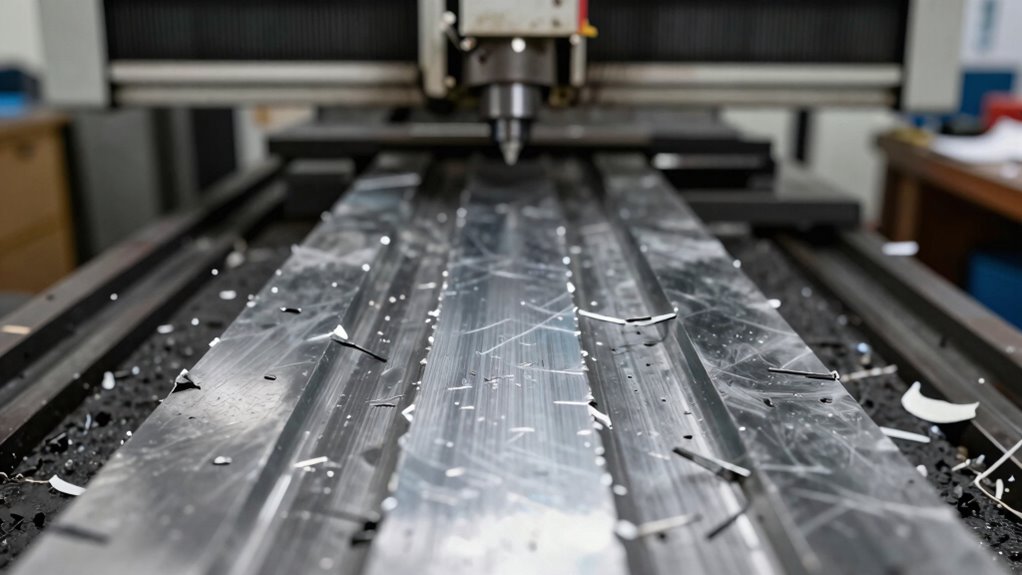
When you’re starting out with CNC machining, it’s easy to overlook some essential details that can lead to frustrating mistakes. One common pitfall is poor tool selection, which can drastically affect the surface quality of your machined parts. You might feel tempted to grab any tool that fits your machine, but not all tools are created equal. The right tool for the job is critical to achieving smooth finishes and precise dimensions. You need to evaluate factors like material type, tool geometry, and coating. If your tool isn’t suited for the specific material you’re machining, you’re likely to end up with rough surfaces or even damage to your workpiece.
Another factor that plays a substantial role in surface quality is the feed rate. This is the speed at which your cutting tool moves through the material, and getting it wrong can lead to a variety of problems. If you set your feed rate too high, you might not allow the tool to effectively cut the material, resulting in a poor finish. Conversely, a feed rate that’s too slow can cause excessive heat buildup, leading to tool wear and potential damage to both the tool and the workpiece. Finding the right balance is essential for achieving the surface quality you desire.
Finding the right feed rate is crucial; too high or too low can compromise surface quality and damage tools.
You should also keep in mind that the feed rate often needs to be adjusted based on the tool you’re using. A tool designed for roughing operations will typically have a different ideal feed rate compared to one meant for finishing. This is where understanding your tool selection becomes imperative. As a beginner, it might be tempting to stick with a singular approach, but varying your feed rates based on the tool and material can yield markedly better results. Additionally, paying attention to tool geometry and how it interacts with different materials can significantly improve your surface finish. Learning about cutting parameters can also help optimize your process and avoid common mistakes. Moreover, understanding cutting forces and how they influence tool wear can further enhance your machining quality. To truly refine your technique, dedicating time to test cuts and analyzing the outcomes can make a significant difference in your learning curve.
Finally, don’t forget to take the time to experiment. CNC machining is as much an art as it is a science. You’ll learn through trial and error, but paying attention to your tool selection and feed rate can save you a lot of headaches down the line. Keep a log of what works and what doesn’t—it’ll help you refine your process and improve your skills. By focusing on these key areas, you’ll be well on your way to achieving polished, high-quality surfaces in your CNC projects. Remember, the journey to mastering CNC machining involves learning from your mistakes and making adjustments along the way.
As an affiliate, we earn on qualifying purchases.
Frequently Asked Questions
What Materials Are Best for Beginner CNC Projects?
For beginner CNC projects, wood selection is key. Softwoods like pine and cedar are excellent choices due to their ease of machining and affordability. Plywood is another great option, offering stability and versatility. If you’re looking to experiment with material types, consider MDF or acrylic for unique finishes. These materials can help you practice and refine your skills without overwhelming you. Start with these basics, and you’ll gain confidence quickly!
How Can I Improve My CNC Programming Skills?
To skyrocket your CNC programming skills, dive deep into advanced CNC software! Mastering programming techniques and exploring various design considerations will make you a pro in no time. Don’t shy away from experimenting; push the boundaries of your creativity and learn from every mistake. Plus, gather essential troubleshooting tips—these can turn potential disasters into learning opportunities. Soon, you’ll be crafting projects that’ll leave everyone in awe! Keep at it!
What Tools Are Essential for CNC Beginners?
As a CNC beginner, you’ll need a few essential tools to get started. Invest in reliable CNC software options like Fusion 360 or Easel for programming. A sturdy CNC machine, quality bits, and a good dust collection system are vital too. For beginner project ideas, consider creating simple signs or coasters to practice your skills. With the right tools and projects, you’ll quickly improve your CNC capabilities and gain confidence.
How Do I Maintain My CNC Machine Properly?
To maintain your CNC machine properly, focus on regular machine lubrication and effective dust collection. Did you know that over 60% of CNC failures are linked to inadequate maintenance? Keep your machine clean by using a good dust collection system, and lubricate moving parts as recommended. This not only extends the life of your machine but also guarantees smoother operation and better results. Don’t overlook these essential steps—your projects will thank you!
What Safety Precautions Should I Take While Using CNC?
When using CNC machines, always wear proper CNC safety gear, like goggles and gloves. Familiarize yourself with emergency procedures in case something goes wrong. Regularly check your machine calibration to guarantee accuracy and safety. Practice safe tool handling by keeping your workspace clean and organized, and always double-check your setup before starting. These precautions help protect you and assure smooth operation, so you can focus on your projects without worry.
Conclusion
Avoiding the common beginner CNC mistake of improper tool selection is like steering clear of Pandora’s box. Once you immerse yourself, it can release a cascade of surface quality issues that are tough to fix. By choosing the right tool for your material and setup, you’re not just preventing headaches; you’re paving the way for smooth, professional results. So, take a moment to think before you cut—your finished project will thank you for it.
Fall yard work Picks
leaf blowers
As an affiliate, we earn on qualifying purchases.