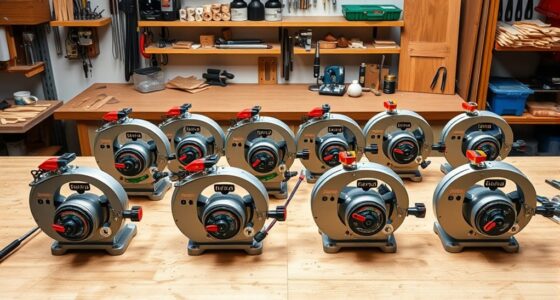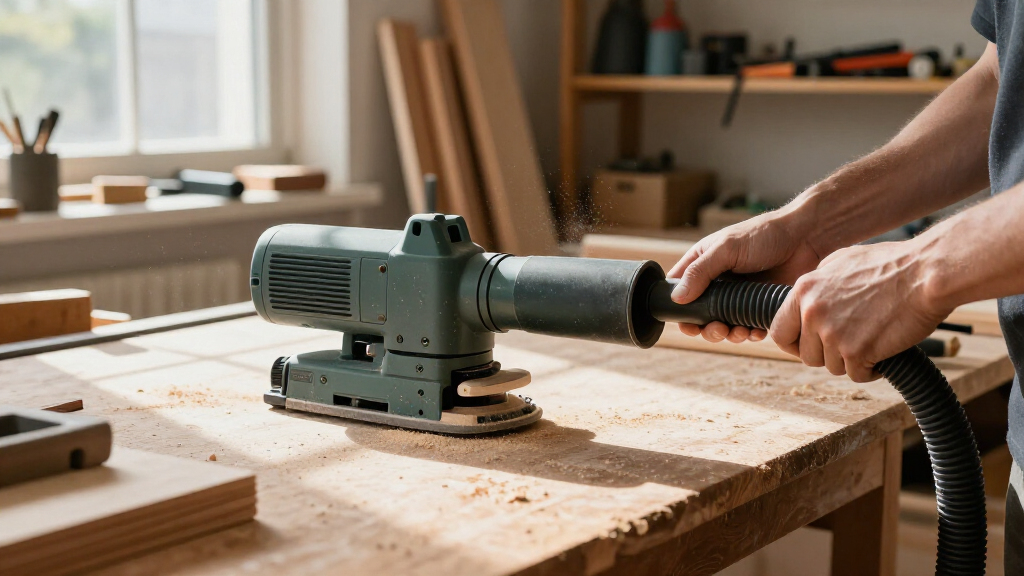

Compact dust extractors range from portable, tool-connected units to wheeled shop vacs and larger cyclonic collectors, so the best choice depends on where you work and what you collect. I’d put the Bosch VAC090AH first for its automatic filter cleaning and workshop versatility; the Festool CT MIDI I is a standout for a smaller, more portable setup, while the DEWALT DWV010 adds automatic filter cleaning in an 8-gallon format. The main tradeoff is between portability and capacity, with filtration, filter maintenance, and tool compatibility also shaping the choice. Continue reading for the full breakdown of all 12 options and guidance on which type fits your work.

Get business pricing on tools and workshop supplies
- Business-only prices and quantity discounts
- Tax-exempt purchasing
- Multiple users, one account, clear invoices
Complete the kit


Key Takeaways
- The Bosch VAC090AH leads for balanced workshop use: its 9-gallon capacity and automatic filter cleaning make it a practical middle ground, though its size is less convenient to move than the smaller Festool units.
- The Festool CT MIDI I prioritizes portability: it suits a compact, tool-connected setup, while its smaller capacity means more frequent emptying than larger wheeled extractors.
- Automatic filter cleaning separates some full-size options: the Bosch VAC090AH and DEWALT DWV010 include it, a useful feature for sustained dusty work that adds mechanical complexity.
- The cordless DEWALT DWH161B solves a different problem: its 20V tool-only design favors mobility and point-of-use capture, but it does not replace a high-capacity shop extractor.
- Compact does not always mean small: the 14.5-gallon Record Power CamVac offers cyclonic collection, but its footprint and capacity make it better suited to a dedicated workshop corner than frequent transport.
| 8-Gallon Dust Extractor Shop Vacuum with Remote Control |  | Best for Multi-Purpose Cleanup | Motor power: 1000 W | Tank capacity: 8 gallons | Functions: Dry, wet, and blowing | VIEW LATEST PRICE | See Our Full Breakdown |
| Bosch VAC090AH 9-Gallon Dust Extractor with Automatic Filter Cleaning |  | Best for Sustained Tool-Connected Dust Collection | Capacity: 9 gallons | Airflow: Up to 150 CFM | Static water lift: Up to 97 inches | VIEW LATEST PRICE | See Our Full Breakdown |
| Festool 578512 CT MIDI I HEPA Dust Extractor |  | Best for Connected, Compact Workspaces | Model: 578512 CT MIDI I | Filter type: HEPA | Power source: Corded electric | VIEW LATEST PRICE | See Our Full Breakdown |
| Festool 578441 CT 15 Dust Extractor |  | Best for Small, Mobile Cleanup | Model: 578441 CT 15 | Filtration: HEPA | Container capacity: 3.96 gallons (15 L) | VIEW LATEST PRICE | See Our Full Breakdown |
| Fein Turbo I Wet/Dry Dust Extractor, 5.8-Gallon |  | Best for Quieter, High-Reach Cleanup | Capacity: 5.8 gallons | Motor power: 1100 W | Airflow: 151 CFM | VIEW LATEST PRICE | See Our Full Breakdown |
| 10-Gallon HEPA Dust Extractor for Woodworking, 150 CFM |  | Best for Longer Sessions | Capacity: 10 gallons | Motor: 10 amps | Airflow: 150 CFM | VIEW LATEST PRICE | See Our Full Breakdown |
| 8-Gallon Dust Extractor for Woodworking, 150 CFM |  | Best for Remote Control | Capacity: 8 gallons | Motor power: 1200 watts | Airflow: 150 CFM | VIEW LATEST PRICE | See Our Full Breakdown |
| DEWALT 20V MAX Brushless Universal Dust Extractor, Tool Only (DWH161B) |  | Best Wearable Option | Model: DWH161B | Voltage: 20V MAX | Motor: Brushless | VIEW LATEST PRICE | See Our Full Breakdown |
| DEWALT DWV010 HEPA Dust Extractor with Automatic Filter Cleaning, 8-Gallon |  | Best for Jobsite Durability | Capacity: 8 gallons | Motor: 15 amp | Airflow: 150 CFM | VIEW LATEST PRICE | See Our Full Breakdown |
| ECOMAX 8-Gallon 6.5 HP HEPA Shop Vac and Dust Extractor |  | Best for Workshop Versatility | Capacity: 8 gallons | Motor power: 6.5 HP | Filter type: HEPA | VIEW LATEST PRICE | See Our Full Breakdown |
| 8-Gallon Wet/Dry Dust Extractor Vacuum with HEPA Filter |  | Best Compact Wet/Dry Pick | Capacity: 8 gallons | Motor power: 1200 W | Airflow: Up to 140 CFM | VIEW LATEST PRICE | See Our Full Breakdown |
| Record Power CGV336-4-US CamVac 14.5-Gallon Cyclonic Dust Extractor |  | Best Compact Cyclonic Workshop Extractor | Capacity: 14.5 gallons / 55 L | Motor power: 2200 W | Inlet size: 4 in / 100 mm | VIEW LATEST PRICE | See Our Full Breakdown |
| compact dust extractor | Capacity | Motor power | Airflow |
|---|---|---|---|
| 8-Gallon Dust Extractor Shop V | — | 1000 W | — |
| Bosch VAC090AH 9-Gallon Dust E | 9 gallons | — | Up to 150 CFM |
| Festool 578512 CT MIDI I HEPA | — | — | — |
| Festool 578441 CT 15 Dust Extr | — | — | — |
| Fein Turbo I Wet/Dry Dust Extr | 5.8 gallons | 1100 W | 151 CFM |
| 10-Gallon HEPA Dust Extractor | 10 gallons | — | 150 CFM |
| 8-Gallon Dust Extractor for Wo | 8 gallons | 1200 watts | 150 CFM |
| DEWALT 20V MAX Brushless Unive | 45% more than the DWH302DH dust box | — | — |
| DEWALT DWV010 HEPA Dust Extrac | 8 gallons | — | 150 CFM |
| ECOMAX 8-Gallon 6.5 HP HEPA Sh | 8 gallons | 6.5 HP | — |
| 8-Gallon Wet/Dry Dust Extracto | 8 gallons | 1200 W | Up to 140 CFM |
| Record Power CGV336-4-US CamVa | 14.5 gallons / 55 L | 2200 W | — |
More Details on Our Top Picks
8-Gallon Dust Extractor Shop Vacuum with Remote Control
Dry, wet, and blowing modes give this extractor a wider cleanup role than the Bosch VAC090AH, which is presented primarily for dust extraction and power-tool use. Its remote control may also be handy when the unit is positioned out of reach. The 8-gallon tank suits users who want fewer stops to empty during general workshop or garage cleanup, and the included HEPA filter adds a filtration option alongside the paper bag. That tank is larger than the Festool CT 15’s 3.96-gallon container, but the paper bag holds 30 L, so bag capacity may become the limiting factor during dry cleanup. Product data gives no airflow or water-lift figures, making it harder to judge how it compares for demanding tool-connected dust collection. I would choose it for varied cleanup tasks, not on the assumption that its capacity alone means stronger extraction.
Pros:- Supports dry, wet, and blowing cleanup
- Remote control supports operation when the unit is out of reach
- 8-gallon tank reduces how often the tank needs emptying
- Includes a HEPA filter and a range of cleaning accessories
Cons:- No airflow or water-lift figures are provided for performance comparison
- The included 30 L paper bag is smaller than the 8-gallon tank
- The product data does not establish how well it handles sustained fine-dust extraction
Best for: Garage and workshop owners who want one extractor for wet spills, dry debris, and blowing tasks, with remote operation.
Not ideal for: Woodworkers choosing primarily by documented extraction performance, since airflow and water-lift figures are not provided.
- Motor power:1000 W
- Tank capacity:8 gallons
- Functions:Dry, wet, and blowing
- Included filtration:HEPA filter and paper bag
- Paper bag capacity:30 L
- Included control:Remote control with Velcro strap
- Included accessories:Cleaning brushes, two straight tubes, hose, half-round brush, pagoda adapter, and wheels
Our verdict“Choose it for varied garage cleanup and remote convenience; choose the Bosch VAC090AH if documented dust-extraction figures and tool activation matter more.”
Bosch VAC090AH 9-Gallon Dust Extractor with Automatic Filter Cleaning
The VAC090AH’s automatic filter cleaning every 15 seconds is its defining advantage for longer sessions: it is designed to help maintain suction as dust accumulates. Bosch also supplies concrete extraction figures—up to 150 CFM airflow and 97 inches of water lift—which make this a more evidence-rich choice than the 8-Gallon Dust Extractor Shop Vacuum with Remote Control, whose airflow and lift are unspecified. Power-tool switch activation and adjustable suction add control when connecting compatible tools. Its 9-gallon capacity is larger than the Festool CT 15’s 3.96 gallons, though that smaller Festool is easier to justify when a compact container is the priority. Bosch’s HEPA filter captures 99.97% of particles 0.3 microns or larger; its PRO+GUARD system is described as helping users move toward OSHA Silica Table 1 compliance, not guaranteeing compliance. The tradeoff is a larger format and a compliance claim that still depends on the full work setup.
Pros:- Automatic filter cleaning runs every 15 seconds to help maintain suction
- Provides airflow and water-lift figures for comparison
- Compatible power-tool activation and adjustable suction
- HEPA filter captures 99.97% of particles 0.3 microns or larger
Cons:- The 9-gallon capacity makes it larger than compact options such as the Festool CT 15
- The stated OSHA system helps users move toward compliance but does not guarantee it
- Automatic filter cleaning may be unnecessary for buyers doing only brief, light cleanup
Best for: Woodworkers and remodeling contractors who connect compatible power tools and want automatic filter cleaning during longer dust collection sessions.
Not ideal for: Buyers seeking the smallest, lightest mobile extractor or relying on the product alone to guarantee OSHA silica compliance.
- Capacity:9 gallons
- Airflow:Up to 150 CFM
- Static water lift:Up to 97 inches
- Automatic filter cleaning:Every 15 seconds
- Filter:HEPA; captures 99.97% of particles 0.3 microns or larger
- Included bag:Fleece filter bag
- Tool activation:Compatible power-tool switch activation
- Dust compliance system:Bosch PRO+GUARD, designed to help users move toward OSHA Silica Table 1 compliance
Our verdict“Pick the Bosch for tool-connected sessions where automatic filter cleaning and stated extraction figures outweigh a smaller footprint.”
Festool 578512 CT MIDI I HEPA Dust Extractor
Bluetooth remote start and stop, touch controls, and automatic tool start give the CT MIDI I a convenient setup for a compact workshop where the extractor sits beside the work. Its four-wheel chassis and internal hose garage support moving and storing the unit, while the SELFCLEAN filter bag and manual filter cleaning provide ways to manage dust and suction. Compared with the Festool CT 15, the MIDI I lists Bluetooth and automatic tool start; the CT 15 instead gives a stated 3.96-gallon container size and includes crevice and upholstery nozzles. Bosch’s VAC090AH is a better fit for buyers who need published airflow and water-lift figures plus automatic filter cleaning. This Festool listing specifies just one power level and does not provide tank capacity or extraction figures, so it is harder to compare on output or runtime. Its cord also keeps it tethered to a power source.
Pros:- Bluetooth supports remote start and stop
- Automatic tool start and touch controls simplify operation
- Four-wheel chassis and internal hose garage support mobility and storage
- HEPA filtration and tool-free filter changes are listed
Cons:- Corded power limits movement away from an outlet
- Only one power level is listed
- Capacity and airflow figures are not provided in the product data
Best for: Woodworkers with a compact, corded workstation who value Bluetooth controls, automatic tool start, and organized hose storage.
Not ideal for: Buyers who need cordless operation, multiple suction settings, or stated capacity and airflow figures before choosing.
- Model:578512 CT MIDI I
- Filter type:HEPA
- Power source:Corded electric
- Power levels:1
- Wheels:4
- Connectivity:Integrated Bluetooth
- Special features:SELFCLEAN filter bag, smooth suction hose, internal hose garage, and automatic tool start
- Recommended uses:Construction, hard floors, hardwood, home, office, tile floors, and woodworking
Our verdict“Choose the CT MIDI I for a connected, organized corded workshop setup; choose the Bosch VAC090AH when stated extraction performance is the deciding factor.”
Festool 578441 CT 15 Dust Extractor
With a 3.96-gallon (15 L) container and onboard accessory storage, the CT 15 is the clearest fit here for users who value a smaller mobile extractor over long intervals between emptying. Its crevice and upholstery nozzles also give it a practical cleanup role beyond a dedicated woodworking station. Against the 9-gallon Bosch VAC090AH, the Festool trades capacity and documented airflow for a smaller container and simpler carrying setup; the Bosch is better supported by published extraction figures and automatic filter cleaning. The CT 15 lists HEPA filtration, touch operation, and steel axles, plus a three-year warranty that includes wear and tear. However, the supplied data gives no airflow, water-lift, or noise figures, so buyers cannot judge its extraction output or sound level from these specs. I would favor it for mobile indoor cleanup where storage and size matter more than capacity.
Pros:- 3.96-gallon container keeps the unit smaller than the 9-gallon Bosch VAC090AH
- HEPA filtration
- Crevice and upholstery nozzles are included
- Onboard accessory storage and steel axles support mobile use
Cons:- Smaller container needs more frequent emptying than larger extractors
- Airflow and water-lift performance figures are not provided
- Noise level is not specified
Best for: Mobile tradespeople and homeowners who need a compact HEPA extractor for spot cleanup, crevices, and upholstery.
Not ideal for: Woodworkers running long, dusty tool sessions who need a larger capacity or published airflow and water-lift figures.
- Model:578441 CT 15
- Filtration:HEPA
- Container capacity:3.96 gallons (15 L)
- Included accessories:Crevice nozzle and upholstery nozzle
- Controls:Touch operation
- Warranty:3 years, including wear and tear
- Chassis:Robust design with steel axles
Our verdict“Choose the CT 15 for compact, mobile indoor cleanup; choose the Bosch VAC090AH for longer tool-connected sessions with stated extraction performance.”
Fein Turbo I Wet/Dry Dust Extractor, 5.8-Gallon
The Fein Turbo I pairs 151 CFM airflow and 98 inches of water lift with a 5.8-gallon tank, giving it a useful balance of stated extraction performance and smaller capacity than the 9-gallon Bosch VAC090AH. Its 66 dB noise level, 19-foot cord, and 13-foot hose make it a strong choice for users who want reach and a quieter listed operating figure during workshop or job-site cleanup. A tool-activated outlet with a power-on delay adds convenience when starting compatible equipment. Compared with the Festool CT 15, Fein provides airflow and water-lift data and supports wet and dry cleanup, while the CT 15 emphasizes a 3.96-gallon container and includes upholstery and crevice nozzles. Fein’s tradeoff is a smaller tank than Bosch’s and optional anti-static accessories, which may matter when managing static-sensitive dust. I would shortlist it for users who value reach and documented output, but not assume the optional accessories are included.
Pros:- 151 CFM airflow and 98 inches of water lift are specified
- 66 dB operating noise level is listed
- 19-foot cord and 13-foot hose provide extended reach
- Tool-activated outlet and 360-degree swivel wheels support easier operation
Cons:- 5.8-gallon capacity is smaller than the Bosch VAC090AH’s 9-gallon tank
- Anti-static accessories are optional
- Corded operation still requires access to an outlet
Best for: Workshop users and contractors who need wet and dry cleanup, extended cord-and-hose reach, and a stated quieter operating level.
Not ideal for: Buyers who need a larger tank for long sessions or require anti-static accessories included with the extractor.
- Capacity:5.8 gallons
- Motor power:1100 W
- Airflow:151 CFM
- Water lift:98 inches
- Noise level:66 dB
- Power cord length:19 feet
- Hose length:13 feet
- Autostart outlet:Yes, with power-on delay
- Anti-static function:Available with optional accessories
Our verdict“Choose the Fein for quieter, longer-reach wet and dry cleanup; choose the Bosch when the larger tank and automatic filter cleaning matter more.”
10-Gallon HEPA Dust Extractor for Woodworking, 150 CFM
The 10-gallon capacity gives this extractor an edge over the 8-gallon models here when woodworking creates enough dust to make frequent emptying disruptive. Its 150 CFM airflow and automatic HEPA cleaning every 20 seconds are aimed at maintaining collection through longer tool sessions. Tool-activated startup also means the extractor can follow a connected tool without a separate manual switch. Compared with the 8-Gallon Dust Extractor for Woodworking, this model offers more container space, while that option includes a remote for power and suction control. This extractor only supports a separately sold remote, so remote operation adds an extra purchase. Choose it for capacity and synchronized startup; skip it if included remote control matters more than fewer trips to empty the bin.
Pros:- 10-gallon capacity reduces interruptions to empty the container.
- Automatic HEPA filter cleaning every 20 seconds helps maintain suction.
- Tool-activated startup synchronizes extraction with a connected tool.
- Full-container indicator helps signal when emptying is needed.
Cons:- Remote control is supported but sold separately.
- Larger capacity may take up more space than the 8-gallon alternatives.
Best for: Woodworkers running connected tools for longer sessions who want more capacity than an 8-gallon extractor.
Not ideal for: Buyers who want remote control included or need a smaller container for a tight workspace.
- Capacity:10 gallons
- Motor:10 amps
- Airflow:150 CFM
- Maximum static water lift:96 in. H2O
- Filter:HEPA; captures 99.97% of particles 0.3 microns and larger
- Automatic filter cleaning:Every 20 seconds
- Tool-activated startup:Yes
- Remote control:Supported; sold separately
Our verdict“Pick this model for longer woodworking sessions where 10-gallon capacity matters more than having a remote included.”
8-Gallon Dust Extractor for Woodworking, 150 CFM
This 8-gallon extractor pairs automatic HEPA cleaning every 20 seconds with an included remote for power and suction control, giving it more flexible operation than the 10-gallon woodworking extractor, whose remote is sold separately. Its 150 CFM airflow matches that larger model, while the smaller container makes this a more manageable fit when floor space is limited. Tool activation starts and stops extraction with the connected tool, but the outlet is limited to 5A, which narrows the tools it can control. A delayed start helps limit current overload, though it does not remove that connection limit. I’d choose this for a compact workshop where remote adjustment is useful; the 10-gallon option suits buyers who prioritize capacity.
Pros:- Included remote adjusts power and suction.
- Automatic HEPA cleaning every 20 seconds helps maintain suction.
- Automatic start and stop sync extraction with a connected tool.
- Delayed start helps prevent current overload.
Cons:- Tool connection is limited to 5A.
- 8-gallon capacity means more frequent emptying than the 10-gallon woodworking model.
Best for: Woodworkers who want included remote control and automatic extraction in a compact 8-gallon setup.
Not ideal for: Users connecting tools that draw more than 5A through the extractor’s tool outlet.
- Capacity:8 gallons
- Motor power:1200 watts
- Airflow:150 CFM
- Maximum static water lift:96 in. H2O
- Filter cleaning:Automatic HEPA cleaning every 20 seconds
- Tool activation:Automatic start and stop; maximum 5A
- Remote control:Included; adjusts power and suction
Our verdict“Choose this 8-gallon model if an included remote matters more than the extra capacity of the 10-gallon alternative.”
DEWALT 20V MAX Brushless Universal Dust Extractor, Tool Only (DWH161B)
The wearable, cordless format makes this DEWALT the most mobile option in this group: it can travel with the tool instead of being pulled behind it. Its HEPA filter and compatibility with SDS Plus rotary hammers suit localized dust collection on drilling tasks, while Wireless Tool Control supports remote activation with a separately sold key fob. Compared with the wheeled DEWALT DWV010, the DWH161B favors portability over a large container, long hose, and automatic filter pulsing. Capacity is described as 45% greater than the DWH302DH dust box, but no gallon figure is provided, so it is not a like-for-like choice for workshop cleanup. It is also sold tool-only, with battery and charger excluded.
Pros:- Compact wearable design supports high mobility.
- HEPA filter is included.
- Capacity is 45% greater than the DWH302DH dust box.
- Wireless Tool Control supports remote activation.
Cons:- Battery and charger are not included.
- Wireless Tool Control key fob is sold separately.
- Capacity is not listed in gallons, limiting direct comparison with wheeled extractors.
Best for: Tradespeople drilling with compatible tools who need a wearable extractor for mobile, localized dust collection.
Not ideal for: Woodworkers seeking a wheeled, high-capacity extractor for extended stationary cleanup or buyers without a compatible 20V MAX battery.
- Model:DWH161B
- Voltage:20V MAX
- Motor:Brushless
- Filter:HEPA
- Capacity:45% more than the DWH302DH dust box
- Compatibility:SDS Plus rotary hammers and other tools
- Noise level:80 dB
- Wireless Tool Control:Remote activation; key fob sold separately
Our verdict“Pick the DWH161B for mobile drilling with compatible tools, but choose the DWV010 for a wheeled extractor with a stated 8-gallon capacity.”
DEWALT DWV010 HEPA Dust Extractor with Automatic Filter Cleaning, 8-Gallon
The DWV010 stands out among these compact extractors for its 15-amp motor, 8-gallon container, and jobsite-oriented fittings. Its filter pulses automatically every 30 seconds, a less frequent cleaning interval than the 20-second cycle on both woodworking extractors above. The included 15-foot anti-static hose gives more reach than the ECOMAX’s 10-foot hose, while power-tool actuation lets the vacuum switch with a connected tool. Heavy-duty wheels and casters suit movement around a work area, though this remains a wheeled unit rather than a wearable solution like the DEWALT DWH161B. EPA RRP compliance depends on using DWV9330 filters, so buyers who need that compliance should account for the specified filter requirement.
Pros:- 15-amp motor delivers 150 CFM airflow.
- Automatic filter pulses support continued operation.
- 15-foot anti-static hose has a universal swivel connector.
- Heavy-duty wheels and casters are designed for jobsite use.
Cons:- EPA RRP compliance requires DWV9330 filters.
- Filter pulses every 30 seconds, less often than the 20-second cycles on the woodworking models.
Best for: Jobsite users who need an 8-gallon wheeled extractor with a long anti-static hose and tool actuation.
Not ideal for: Buyers who need EPA RRP compliance without sourcing DWV9330 filters or want more frequent automatic filter cleaning.
- Capacity:8 gallons
- Motor:15 amp
- Airflow:150 CFM
- Filter cleaning:Automatic pulses every 30 seconds
- Hose length:15 ft
- Hose diameter:1.25 in
- EPA RRP compliance:When used with DWV9330 filters
Our verdict“Choose the DWV010 for a wheeled jobsite setup with a long hose, provided its specified filters meet your compliance needs.”
ECOMAX 8-Gallon 6.5 HP HEPA Shop Vac and Dust Extractor
The ECOMAX bridges tool-connected dust extraction and general workshop cleanup, with two power levels, a drain port, and a broad accessory set for floors, corners, and tools. It automatically starts with a connected power tool and includes semi-automatic filter cleaning plus a dust-full indicator. Compared with the DEWALT DWV010, it has a shorter 10-foot hose but offers a drain port and accessories such as extension wands, a floor nozzle, and disposable bags. Its corded design supports sustained use in a garage or workshop, yet limits how far it can follow work around a site. At 75 dB, it is not quiet, and the supplied information does not state airflow or water lift, making direct extraction-performance comparisons harder.
Pros:- Automatically starts when a connected power tool turns on.
- HEPA filtration pairs with semi-automatic cleaning and a dust-full indicator.
- Includes multiple nozzles, extension wands, and disposable filter bags.
- Anti-static hose and tank drain support workshop cleanup.
Cons:- Corded power limits mobility around a jobsite.
- 75 dB noise level may be loud during use.
- 10-foot hose is shorter than the DWV010’s 15-foot hose.
Best for: Garage and workshop users who want one corded unit for connected-tool dust collection and varied cleanup tasks.
Not ideal for: Tradespeople who need cordless mobility, a longer hose, or published airflow figures for comparing extraction performance.
- Capacity:8 gallons
- Motor power:6.5 HP
- Filter type:HEPA
- Power source:Corded electric
- Voltage and amperage:120 volts; 15 A
- Hose length:10 feet
- Noise level:75 dB
- Tank and drain:Polymer tank with drain port
Our verdict“Choose the ECOMAX for varied corded workshop cleanup, while the DWV010 offers a longer hose for work spread across a jobsite.”
8-Gallon Wet/Dry Dust Extractor Vacuum with HEPA Filter
For a shop that needs one compact machine for dust and spills, this 8-gallon extractor has a broader job range than the Record Power CGV336-4-US CamVac, which is set up around dust collection from woodworking tools. Its 140 CFM airflow, HEPA filter, and manual shake button suit cleanup between tool runs, while the wet/dry capacity also handles liquid messes. Tool-activated start and stop can save trips to the vacuum, though the outlet is limited to tools drawing 5.5 A or less. The 13-foot cord and 7.5-foot hose keep the package portable, but offer less reach than a stationary shop setup may need. Filter cleaning also takes a manual button press, unlike the Bosch VAC090AH’s automatic filter cleaning. I’d choose this when versatility and a smaller footprint matter more than hands-free filter maintenance.
Pros:- Handles both wet spills and dry debris
- Tool-activated start and stop for compatible tools
- HEPA filter with manual shake cleaning
- Four wheels and a 2-year parts and labor warranty
Cons:- Power tool outlet supports tools only up to 5.5 A
- Filter cleaning requires manual activation
- 7.5-foot hose and 13-foot cord may limit reach in larger shops
Best for: Small workshop owners who want one portable extractor for tool dust, dry debris, and occasional wet spills
Not ideal for: Users with power tools drawing over 5.5 A or those who want automatic filter cleaning and longer hose reach
- Capacity:8 gallons
- Motor power:1200 W
- Airflow:Up to 140 CFM
- Vacuum:18 kPa
- Static water lift:72.3 in.
- Filter:HEPA, semi-automatic manual shake cleaning
- Power tool outlet:Supports tools up to 5.5 A
- Hose and cord:7.5 ft hose; 13 ft power cord
- Warranty:2 years, parts and labor
Our verdict“Choose this 8-gallon model if you need a compact wet/dry extractor for compatible tools and everyday shop cleanup.”
Record Power CGV336-4-US CamVac 14.5-Gallon Cyclonic Dust Extractor
The CamVac’s 14.5-gallon drum gives a compact workshop a larger collection reserve than the 8-gallon wet/dry extractor in this roundup, so woodworking sessions may require fewer interruptions to empty it. Its 4-inch inlet and cyclonic design point to machine dust collection, while the supplied 2-meter hose and bayonet adaptor help connect it to compatible equipment. The sub-micron filter is designed to remove 95% of 0.3-micron particles, a filtration detail that distinguishes it from the more general-purpose wet/dry model. That larger drum and woodworking focus come with limits: the 4-inch connection is less suited to buyers seeking a narrow, portable cleanup hose, and the noise-reduction exhaust accessory is optional. I’d rank it for a dedicated woodworking corner, not for mixed spill cleanup or frequent room-to-room use.
Pros:- 14.5-gallon capacity reduces the need to stop and empty during shop work
- Cyclonic inlet helps direct dust into the drum
- Sub-micron filter is designed to remove 95% of 0.3-micron particles
- Includes a 4-inch bayonet adaptor, flexible hose, and Easy Fit cuff
Cons:- 4-inch inlet and hose setup may not suit smaller tool ports or general cleanup
- Noise-reduction exhaust accessory is optional
- Larger drum is less convenient for frequent room-to-room movement
Best for: Woodworkers with compatible 4-inch machine ports who want a larger drum and fine-particle filtration in a workshop extractor
Not ideal for: Buyers seeking a small wet/dry vacuum for spills, handheld cleanup, or easy movement between work areas
- Capacity:14.5 gallons / 55 L
- Motor power:2200 W
- Inlet size:4 in / 100 mm
- Hose length:2 m / 6.56 ft
- Filtration:Sub-micron filter designed to remove 95% of 0.3-micron particles
- Included accessories:100 mm bayonet adaptor, 2 m flexible hose, DX100X Easy Fit Cuff
- Model:CGV336-4-US
- Region:USA/Canada
Our verdict“Pick the CamVac for a compact woodworking station built around 4-inch dust ports and higher collection capacity.”
How We Picked
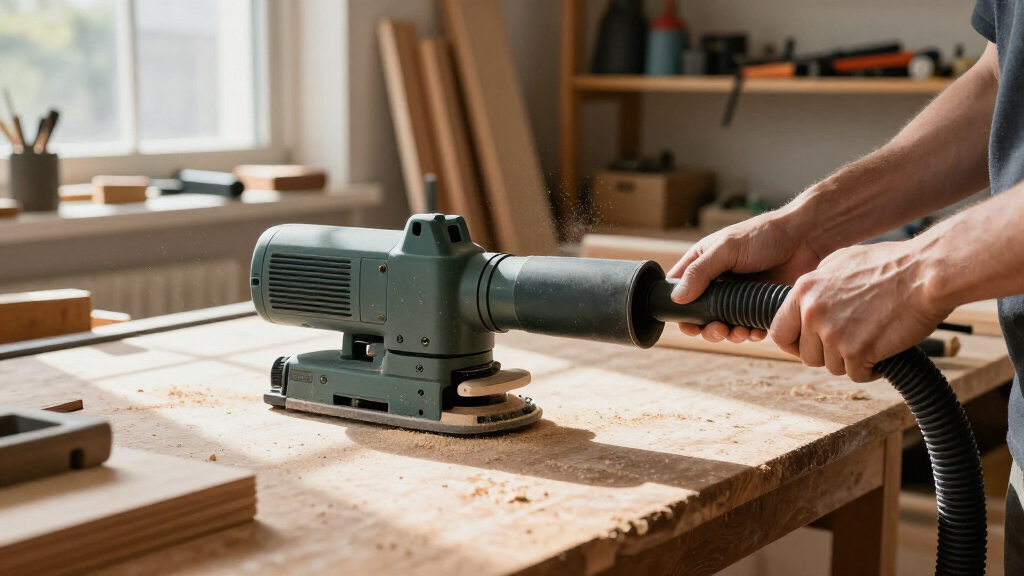
I compared these extractors by how well their form, capacity, filtration, and features fit compact workshop use. Portability mattered, but so did practical details that affect everyday work: tank size, automatic filter cleaning, wet and dry capability, cordless operation, and whether the unit is designed to connect with power tools. I treated stated airflow and power claims as useful context rather than a complete measure of dust capture, since hose fit, tool ports, filters, and the material being collected also affect results.
The ranking favors units that balance useful capacity with a manageable footprint and features that reduce friction in regular work. The Bosch VAC090AH ranks first as a versatile middle ground; the Festool CT MIDI I earns a distinct portable role, while the DEWALT DWV010 offers a larger automatic-cleaning alternative. Smaller, tool-only, and higher-capacity cyclonic designs follow where their specific use case is strong but their compromises narrow the audience. Product descriptions do not provide equally detailed information for every model, so I avoid treating unlisted specifications as established advantages.
Factors to Consider When Choosing Compact Dust Extractors
Before choosing a compact extractor, match the machine to the way dust is created and moved through your workspace. A portable unit can be the better buy when it follows a tool from bench to jobsite, while a larger collector makes more sense when it can stay near several machines. These broader checks help prevent a common mismatch: choosing by headline capacity or airflow while overlooking connections, cleanup, and where the extractor will live.
Choose the Size for Your Work Pattern
Tank capacity affects how often you stop to empty the extractor, but it also tends to come with a larger machine to store and move. If your work produces dust in short bursts at one bench, a smaller tank can keep the setup easier to maneuver. For longer sessions or bulky debris, extra capacity may save interruptions. Think about the material as well as the volume: fine sanding dust can load a filter before the container fills, while chips take up space quickly. A common mistake is to assume a gallon figure alone predicts runtime. Match capacity to your actual collection pattern and storage space.
Check Tool Connections Before Buying
A dust extractor is only convenient if its hose, adapter, and switching arrangement fit the tools you use. Measure or look up the dust ports on your sander, saw, or router, and check whether the extractor includes compatible adapters or requires separate parts. Tool-triggered activation can reduce the need to switch the vacuum on by hand, but compatibility and setup vary. If you use several tools, a flexible adapter system may matter more than a small difference in tank volume. Buyers often overlook hose diameter and length, which can affect both access and how comfortably the extractor parks beside a bench. Sketch the intended layout before choosing.
Treat Filtration and Filter Cleaning as Separate Questions
HEPA labeling and automatic filter cleaning address different buyer concerns. Filtration describes what the filter is designed to capture, while filter cleaning helps maintain airflow as dust accumulates. Check the manufacturer’s filtration claims and the intended use rather than assuming every extractor is suited to the same fine-dust tasks. Automatic cleaning can be useful during prolonged work, but it adds a mechanism that may require maintenance. For occasional short jobs, a straightforward filter may be enough if it is easy to inspect and clean. Also check replacement filter availability before settling on a model.
Decide Whether Wet Pickup Is Worth the Tradeoff
Wet and dry capability can make one machine useful for both workshop debris and liquid cleanup, but it is not automatically an advantage for every woodworker. Wet pickup may call for different filter handling, tank cleaning, or a change in setup before returning to dry dust. If your extractor will mainly serve sanders and saws, prioritize reliable dry-dust capture and tool connections. If spills or mixed cleanup are routine, a wet/dry design can reduce the need for a second machine. Read the operating instructions for filter changes and liquid limits, since these details affect convenience. Do not choose a wet/dry model solely because it sounds more versatile.
Plan for Storage, Movement, and Noise
Measure the space where the extractor will be stored, including room for its hose, cord, and accessories. A unit that fits beneath a bench may be easier to keep ready than one with a larger tank that needs a permanent corner. For work across rooms or on a jobsite, consider wheels, handles, cord management, and whether a cordless unit’s battery platform already fits your tools. Noise matters too when the extractor runs beside you for long sessions or in a shared space; compare manufacturer noise information when available. Compact machines can still be loud, so a small footprint does not guarantee a quieter workspace. Think through how you will move and park the unit during a normal workday.
Pay More for the Feature You Will Use Often
Higher-end features earn their keep when they remove a repeated inconvenience. Automatic filter cleaning may be valuable for long, dusty sessions, while a portable connected system may be worth prioritizing if you change work locations often. A larger capacity is less compelling if you mostly make small amounts of dust and have little storage room. Compare the ongoing cost and availability of filters, bags, and adapters, not just the initial feature list. Beginners may benefit more from simple controls and clear setup than from a long list of advanced functions. Choose the upgrade that addresses a real bottleneck in your work.
Frequently Asked Questions
Can a compact dust extractor replace a full-size shop dust collection system?
It can handle dust collection for selected portable tools or a small workshop, but the right fit depends on the tools and work volume. A compact extractor is often easier to connect directly to a sander or saw and move between stations. A fixed system may suit a shop with several machines running regularly or producing large amounts of chips. Check the tool maker’s dust collection requirements and the extractor’s stated compatibility before relying on one unit for everything. If you use both handheld and stationary tools, a compact extractor may complement a larger system rather than replace it.
Is a HEPA filter enough for fine sanding dust?
A HEPA filter can be a useful part of a fine-dust setup, but the label alone does not describe the whole collection path. Dust can escape at a poorly fitting tool port, hose joint, or container seal before it reaches the filter. Check how the machine is specified for filtration and whether the hose and tool adapters fit snugly. Regular filter maintenance also matters because a loaded filter can affect airflow. For exposure-sensitive work, follow applicable safety guidance and do not treat a filter label as a substitute for appropriate work practices.
Should I choose automatic filter cleaning or a smaller, more portable extractor?
Base the choice on how long your dusty sessions last and how often you need to move the machine. Automatic filter cleaning can reduce interruptions during sustained work, particularly when fine dust loads the filter. A smaller portable extractor is easier to carry and store, which may matter more if jobs are brief or spread across locations. These features solve different problems, so neither is automatically the better choice. Consider how often filter restriction interrupts your work and how often you relocate the extractor.
Is a cordless dust extractor a good primary machine for a workshop?
A cordless unit can be a strong choice for mobility, spot cleanup, or dust capture with compatible tools, especially if you already own batteries in that platform. Its tool-only format means the battery and charger may be an added part of the setup. Compare its capacity and intended applications with the amount of dust your main machines produce before making it your sole extractor. A larger corded model may be better for longer sessions and repeated collection at a fixed bench. Many buyers will find cordless most useful as a companion to a higher-capacity machine.
When does a larger cyclonic extractor make sense despite the compact category?
A larger cyclonic unit can make sense when it will stay in a workshop and its capacity or collection style suits regular, higher-volume work. Cyclonic separation can reduce how quickly collected material reaches the filter, depending on the design and debris. That benefit has to be weighed against the footprint, storage needs, and effort of moving the machine. Measure the available space and consider the route between the extractor and your tools. If you need to carry the unit often or tuck it away after every session, a smaller extractor may fit daily life better.
Conclusion
For most buyers who want one versatile workshop extractor, I’d choose the Bosch VAC090AH as best overall, with its 9-gallon capacity and automatic filter cleaning. The 8-Gallon Dust Extractor Shop Vacuum with Remote Control is a value-oriented pick for shoppers who want a larger basic setup, though its product details provide less basis for comparing filtration and tool compatibility. Beginners who want a smaller, established tool-connected setup can start with the Festool CT 15, while the Festool CT MIDI I is my pick for portability. For a premium, dedicated workshop option, the Record Power CamVac suits buyers who can spare the space; for cordless mobility, choose the DEWALT DWH161B. The right choice comes down to whether you need filter-cleaning convenience, easy movement, more collection capacity, or a machine that stays put.
Halloween Picks
halloween
As an affiliate, we earn on qualifying purchases.