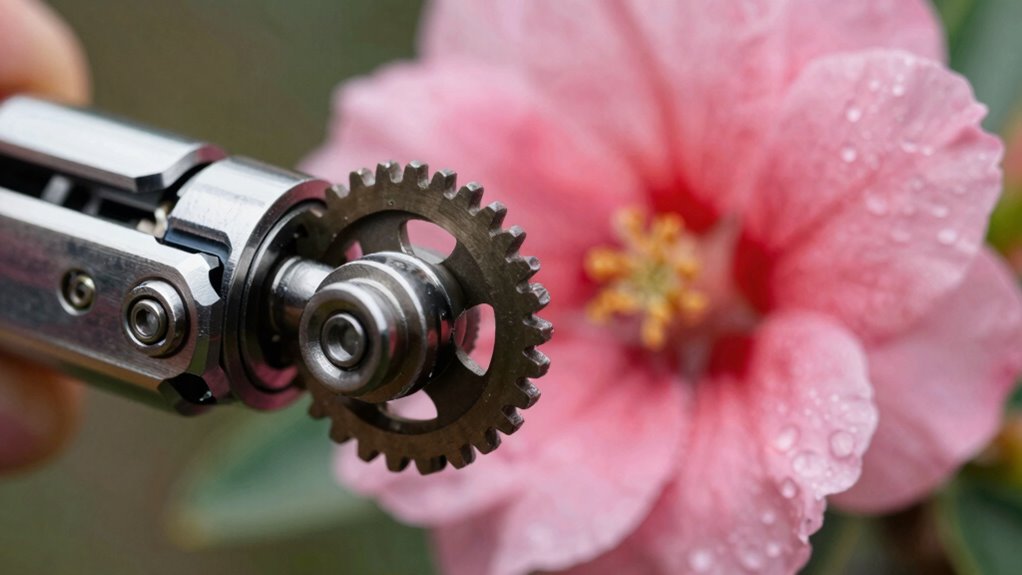

A mechanical joint beats a pretty one when you need strength, reliability, and long-lasting performance. Focus on the connection’s function rather than its appearance, as well-designed fasteners and material compatibility guarantee durability under stress and environmental factors. A visually appealing joint may look good but won’t hold up in demanding situations. If you’re curious about how to prioritize substance over style for better results, keep exploring these essential factors.
Key Takeaways
- Mechanical joints prioritize strength, reliability, and durability over aesthetic appeal, ensuring long-term performance.
- Innovative fastening methods enhance stability and resistance to stress, outperforming visually attractive but less functional joints.
- Proper material compatibility prevents corrosion and failure, which aesthetic-focused joints may overlook.
- Structural integrity is critical in demanding environments, where appearance is secondary to performance.
- Durable, well-engineered joints maintain functionality beyond initial installation, unlike superficial aesthetic solutions.

Mechanical joints are essential components used to connect different parts of a structure or machinery, allowing for movement, flexibility, or a secure fit. When it comes to choosing the right joint, the focus often falls on the effectiveness of the connection rather than its appearance. You might think a well-designed, pretty joint is enough to do the job, but in many cases, a mechanical joint that prioritizes innovative fastening methods and material compatibility outperforms aesthetic appeal. It’s about ensuring reliability and durability, especially in demanding environments where structural integrity matters most.
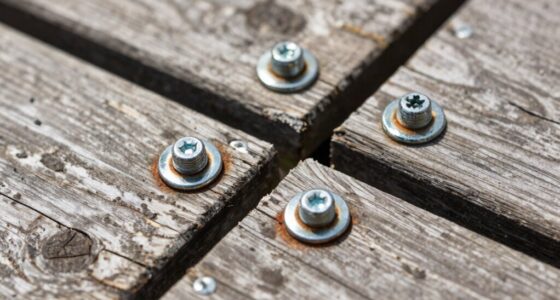
You’ll find that innovative fastening techniques—like quick-lock systems, threaded fasteners, or modular designs—offer significant advantages over decorative joints. These methods streamline assembly and disassembly, saving time and reducing errors in installation. More importantly, they enhance the joint’s strength, ensuring that the connection withstands stress, vibration, or thermal expansion without failing. When you focus on innovative fastening, you’re not just creating a secure connection; you’re building a resilient one that adapts to the operational demands placed on it. Fastening techniques are crucial for maintaining joint performance under various conditions.
Material compatibility plays a vital role in the success of any mechanical joint. If you choose materials that aren’t compatible, you risk corrosion, wear, or even joint failure over time. For example, pairing dissimilar metals like aluminum and steel without proper insulation or coatings can lead to galvanic corrosion, compromising the joint’s integrity. By understanding the properties of the materials involved, you can select appropriate fasteners, coatings, or lubricants that prevent deterioration and prolong the joint’s lifespan. Material compatibility ensures that the joint maintains its strength and functionality, even under fluctuating environmental conditions. Additionally, understanding material properties helps in designing joints that can withstand environmental stressors.
While a pretty joint might catch your eye initially, it’s the combination of innovative fastening and material compatibility that truly makes a mechanical joint outperform any superficial appearance. When you prioritize these factors, you develop connections that are not only secure but also sustainable and adaptable. In environments with fluctuating conditions, it’s crucial to consider environmental stressors, which can significantly impact joint performance. In the end, a mechanical joint that beats a pretty one isn’t about looks; it’s about performance, reliability, and longevity. You’ll appreciate the robustness of such joints as they continue to serve their purpose long after the initial installation, proving that sometimes, substance really does trump style.

Introduction to the Design and Behavior of Bolted Joints: Non-Gasketed Joints
As an affiliate, we earn on qualifying purchases.
As an affiliate, we earn on qualifying purchases.
Frequently Asked Questions
What Industries Most Commonly Use Mechanical Joints Over Aesthetic Ones?
You’ll find mechanical joints most commonly used in industries like manufacturing, plumbing, and construction because they prioritize durability and strength over aesthetics. These joints are essential in decorative applications and artistic installations where appearance matters less than stability and reliability. You rely on mechanical joints to hold structures securely, ensuring safety and longevity, especially in environments where functional performance outweighs visual appeal.
Are Mechanical Joints More Cost-Effective Than Pretty Joints?
Mechanical joints are more cost-effective than pretty joints because they offer better cost efficiency and maintenance simplicity. You’ll find that mechanical joints require less frequent repairs and easier upkeep, saving you money over time. Their straightforward design minimizes installation costs and reduces downtime. So, if you’re prioritizing budget-friendly options with simple maintenance, mechanical joints are your best choice, providing reliable performance without the extra expenses of aesthetic-focused joints.
How Do Mechanical Joints Perform Under Extreme Environmental Conditions?
You notice a mechanical joint holding firm amidst extreme conditions, like a sturdy bridge resisting stormy winds. Mechanical joints excel under harsh environments because of their material resilience and sealing effectiveness. They withstand temperature fluctuations, corrosion, and pressure, maintaining structural integrity. Their robust design guarantees reliable performance in challenging settings, making them ideal for outdoor, industrial, or corrosive environments where durability and sealing are essential for safety and longevity.
Can Mechanical Joints Be Easily Repaired or Replaced?
Yes, mechanical joints can be repaired or replaced, but repair complexity varies depending on their design and installation. You should consider aesthetic considerations, especially if the joint’s appearance is important. Generally, mechanical joints are designed for easy maintenance, so you can often replace or repair them without extensive disassembly. However, some complex joints might require specialized tools and expertise, making repairs more involved.
What Are the Long-Term Durability Differences Between Mechanical and Pretty Joints?
Think of mechanical joints as the steady, reliable friend in your toolkit, outlasting the fleeting charm of pretty joints. Mechanical joints often boast superior joint longevity because they withstand wear and tear better over time. Plus, their maintenance requirements are usually straightforward, making them a durable choice for long-term use. While pretty joints may look appealing initially, mechanical joints tend to stay dependable, ensuring your system remains functional for years to come.
Conclusion
So, next time you marvel at beauty’s fleeting charm, remember that beneath the surface lies strength and purpose, quietly winning the race. Like a steadfast mechanical joint, true resilience often outshines superficial allure. Beauty may captivate, but it’s the unseen, unyielding structure that endures and holds everything together. In the grand dance of form and function, it’s the steadfast welds of integrity that ultimately win the day, whispering secrets only the wise can hear.