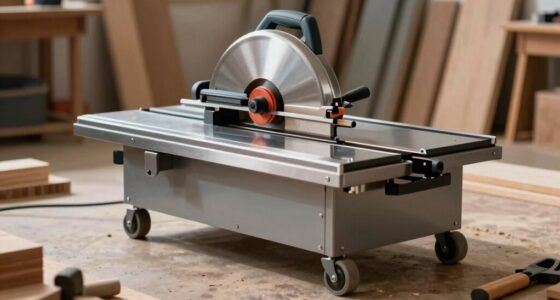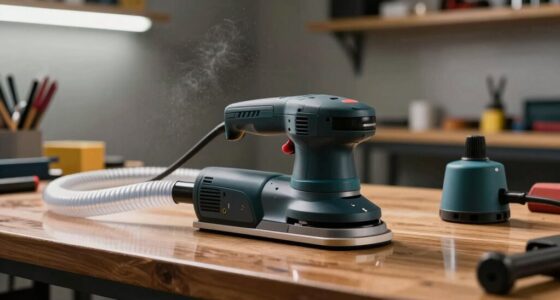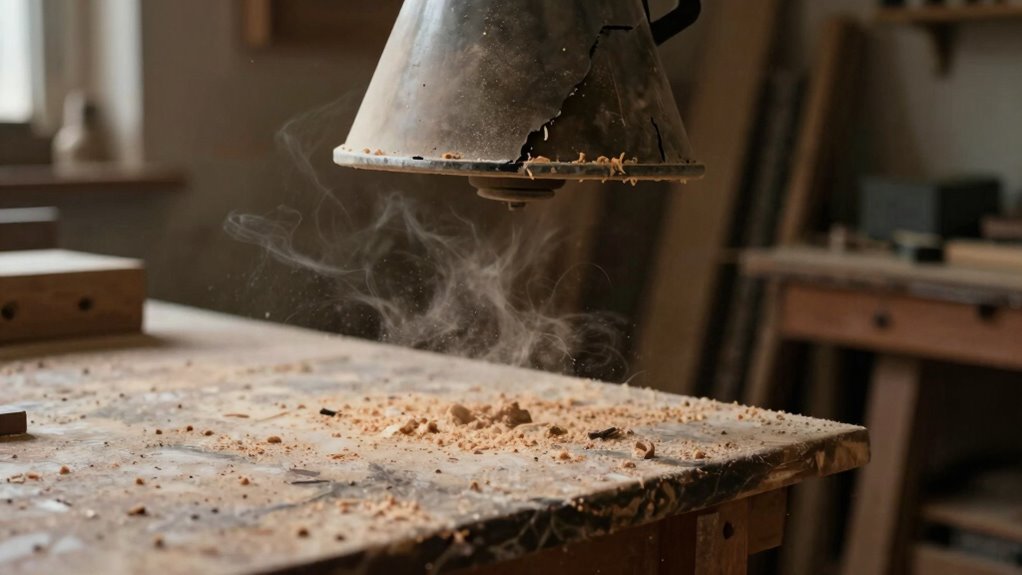

The main mistake that makes fine dust feel “normal” is neglecting proper air filtration and system sealing. When you overlook sealing ductwork and maintaining filters, tiny particles escape into the air and settle, creating a false sense of cleanliness. Relying solely on power without addressing leaks or filtration means dust lingers and becomes invisible. If you want to truly improve your workspace’s air quality, understanding how to fix these issues is essential—there’s more to discover.

Get tools and workshop supplies delivered free — and shop member deals
- Fast, free delivery on millions of items
- Access to Prime Big Deal Days deals on October 6–7
- Prime Video, Amazon Music and more included
Key Takeaways
- Ignoring proper air filtration allows fine dust to circulate, creating a false sense of cleanliness.
- Relying solely on dust collector power without sealing ductwork permits tiny particles to escape.
- Overlooking regular system maintenance and filter integrity increases airborne fine dust.
- Poorly designed ductwork and leaks enable dust to settle into workspace air, making fine dust feel “normal.”
- Focusing only on surface cleaning while neglecting air quality maintenance allows fine dust to linger unnoticed.
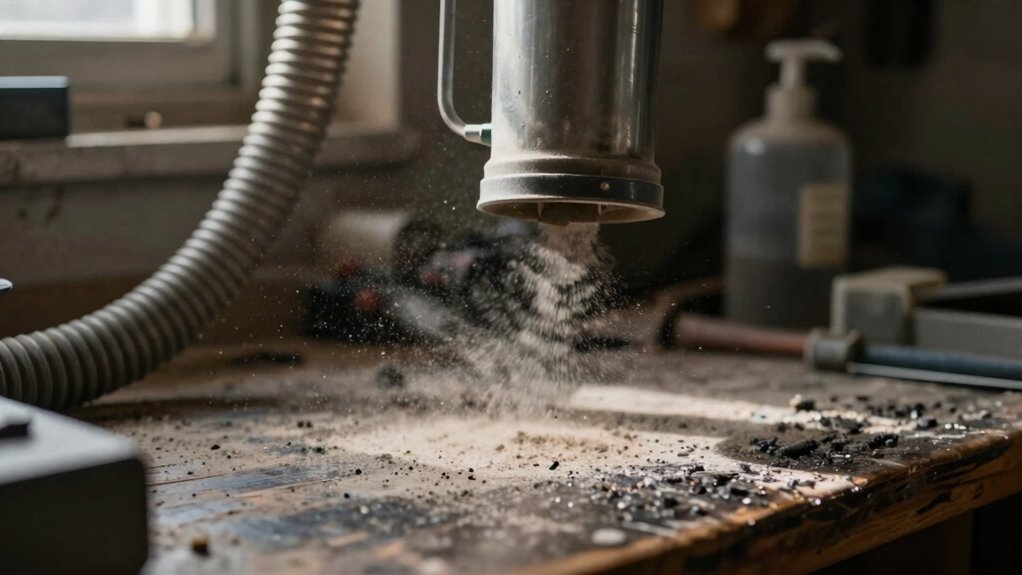
Have you ever overlooked a simple detail that turned your dust collection system into a frustrating obstacle? It’s a common mistake that many woodworkers and DIYers make, and it often leads to a persistent problem: fine dust feeling “normal.” What you might not realize is that this issue stems from a misunderstanding of how air filtration and dust containment work together. When you focus only on the dust collector’s power without considering proper air filtration, tiny particles slip through and settle in the air, making the environment feel dusty even after cleanup. Over time, this creates a false sense that your system is doing its job, when in reality, it’s not effectively capturing the finest dust.
Focusing solely on power without proper air filtration lets fine dust circulate and settle, making your workspace feel dustier over time.
The mistake lies in thinking a powerful dust collector alone will handle all airborne particles. While a strong motor can move a lot of debris, it doesn’t automatically mean the air quality improves. Proper air filtration is essential to trap those microscopic particles that escape your system’s main filter. Without a high-quality air filtration unit or an efficient filter system, dust becomes airborne and circulates around your workspace. That’s why you might notice a fine layer of dust settling on surfaces, even after sweeping or vacuuming. It’s not just about containment within your dust collector; it’s about controlling what gets into the air you breathe. Effective air filtration is crucial for preventing dust from lingering in the workspace.
Dust containment plays a vital role here, but it’s often overlooked in favor of bigger, more powerful machines. You need to verify your system has sealed ductwork, minimal leaks, and a well-maintained filter to prevent dust from escaping. Proper ductwork design and regular maintenance reduce leaks that allow dust to bypass your main collector. When dust containment isn’t tight, tiny particles escape into the workspace, making the air feel consistently dusty. Recognizing the importance of air filtration systems helps ensure you’re addressing all the factors necessary for a cleaner workspace. Additionally, understanding the airflow dynamics within your system can significantly improve its overall efficiency and dust capture capabilities. Incorporating dust collection best practices can further optimize performance and reduce airborne particles, creating a safer environment for everyone.
The key is to view your dust collection as an all-encompassing system rather than just a single machine. Combine a capable dust collector with a dedicated air filtration unit, and make sure your ductwork is sealed and well-maintained. Doing so drastically reduces airborne dust and prevents fine particles from making you feel like dust is an unavoidable part of your workspace. When you address both dust containment and air filtration, you’ll notice a marked improvement—less airborne dust, cleaner surfaces, and a healthier environment. It’s a simple adjustment that makes all the difference and helps you work more comfortably and safely.
high efficiency air filtration system for workshop
As an affiliate, we earn on qualifying purchases.
As an affiliate, we earn on qualifying purchases.
Frequently Asked Questions
How Can I Tell if My Dust Collector Is Working Effectively?
You can tell if your dust collector is working effectively by checking airflow efficiency; if airflow seems weak or inconsistent, it’s a sign of reduced performance. Additionally, monitor filter lifespan—if filters clog quickly or require frequent replacement, your system may not be functioning at its best. Regularly inspect and clean filters, guarantee proper ducting, and listen for unusual noises to maintain peak efficiency and keep fine dust under control.
What Are Common Signs of a Clogged Dust Collection System?
You’ll notice dust buildup on surfaces and tools, indicating airflow restriction. If your dust collection system isn’t pulling debris effectively, it’s likely clogged. Reduced suction power is a clear sign—your system struggles to pick up sawdust and fine particles. Also, listen for unusual noises or vibrations, which often signal blockages. Regularly inspecting hoses and filters helps prevent clogs, ensuring your system maintains proper airflow and keeps your workspace cleaner.
Can Using a Larger Dust Collector Improve Dust Management?
A larger dust collector can definitely help improve dust management, but only if you optimize airflow first. Think of it as putting a bigger bucket under a leaky faucet—it might hold more, but if the water still drips slowly, it’s not much help. Upgrading capacity increases dust collection potential, but ensuring proper airflow optimization is key to keeping fine dust under control and maintaining a safe, clean workspace.
How Often Should I Clean or Replace Dust Collector Filters?
You should clean or replace your dust collector filters regularly to maintain proper filter maintenance and extend the dust collector’s lifespan. Generally, check filters after every few hours of use, and clean or replace them when they appear clogged or visibly dirty. Consistent filter maintenance ensures efficient dust collection, reduces fine dust buildup, and prevents premature wear, helping your system work effectively for years to come.
Are There Specific Safety Precautions for Handling Fine Dust?
When handling fine dust, you should wear proper personal protective equipment, like masks and goggles, to prevent inhalation or eye irritation. Make sure good ventilation by improving airflow in your workspace, which helps disperse airborne dust particles. Always clean up dust carefully to avoid spreading it, and consider using a dust extractor to minimize exposure. These precautions keep you safe while working with fine dust and reduce health risks.
Conclusion
If you’re ignoring proper dust collection, you’re not just making cleanup harder—you’re risking your health. Did you know that fine dust particles can be up to 100 times more harmful than larger debris? By avoiding common mistakes, you can greatly reduce airborne dust and protect your lungs. Don’t settle for “normal” dust—invest in the right collection system and make every project safer and cleaner. Your health and home will thank you.
Fall Picks
fall essentials
As an affiliate, we earn on qualifying purchases.