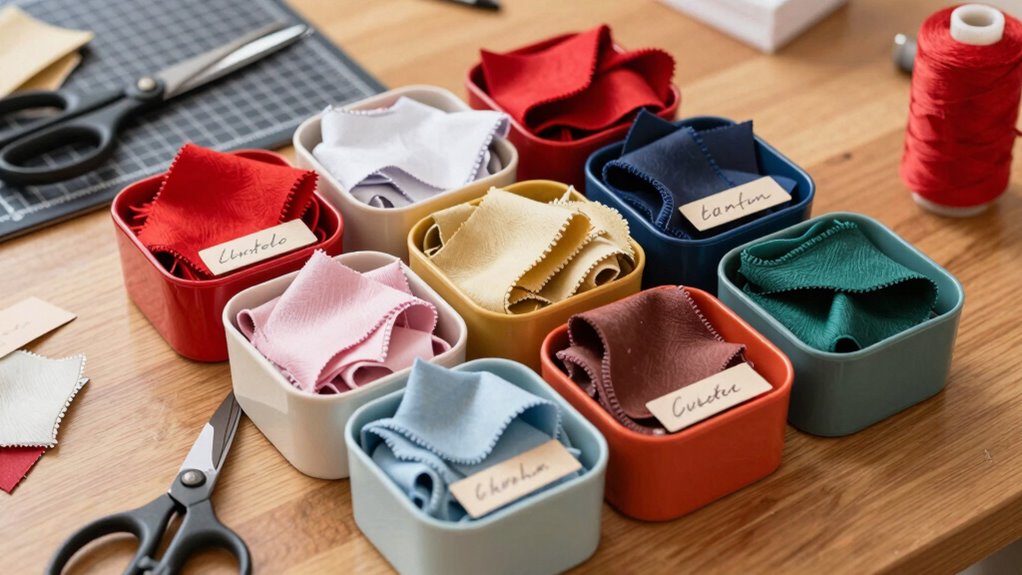

To keep your offcuts useful, designate specific storage zones for each material type using labeled bins or wall racks to keep things organized. Use clear containers for quick access and regularly sort out unusable scraps. Reuse small pieces for DIY projects or donate leftovers to local groups to promote sustainability. Maintaining these habits guarantees your workspace stays clutter-free, your offcuts stay valuable, and you’ll always know where to find what you need. Keep going to discover more organizing tips and ideas.

Get business pricing on tools and workshop supplies
- Business-only prices and quantity discounts
- Tax-exempt purchasing
- Multiple users, one account, clear invoices
Key Takeaways
- Designate specific storage zones for different material types and label them clearly.
- Use transparent containers or bins for quick visual access to offcuts.
- Regularly sort, discard unusable scraps, and recycle or donate reusable pieces.
- Implement routines to tidy up and put away offcuts after each project.
- Create DIY storage solutions from recycled materials to tailor organization and promote sustainability.
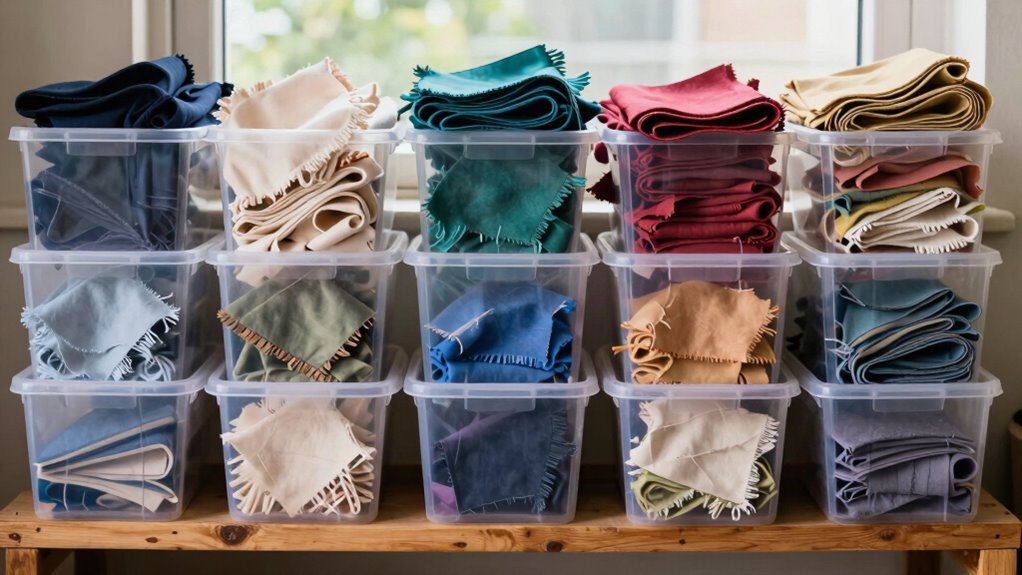
Keeping offcuts organized can save you time and space in your workspace. When you have a system in place, you can quickly find the pieces you need and avoid clutter that wastes valuable room. The key is to implement creative storage solutions that are both practical and inspiring. Think about using labeled bins, stackable drawers, or wall-mounted racks to keep different types of offcuts separated. Clear containers can help you see everything at a glance, so you won’t waste time digging through heaps of scraps. You might also consider vertical storage options to maximize your workspace, especially if space is limited.
Eco-friendly repurposing techniques not only help you stay organized but also promote sustainability. For example, you can reuse offcuts for smaller projects, like making bookmarks, coasters, or decorative accents. By dedicating a specific container for offcuts suitable for repurposing, you *guarantee* they don’t get lost among unused larger pieces. Recycling or donating scraps to local craft groups or schools can extend their usefulness and reduce waste. This way, your workspace remains tidy, and your offcuts continue to serve a purpose. Incorporating sustainable practices into your organization reinforces your commitment to eco-friendly habits and helps reduce overall waste.
Creating designated zones for different types of offcuts can streamline your workflow. Separate wood, fabric, or metal scraps into their own containers, so you’re not rummaging through mixed materials when a project calls for a specific piece. Labeling these zones will further enhance your efficiency, preventing misplaced scraps and saving you from unnecessary searching. If you’re into DIY solutions, building custom storage boxes from recycled materials can be both eco friendly and tailored to your space needs. Additionally, implementing a material-specific organization system can help you quickly identify the right scrap for each project. Incorporating proper storage techniques ensures your offcuts stay in good condition and are easy to access when needed. Plus, understanding the benefits of organized storage can motivate you to maintain your system consistently.
Additionally, develop a routine for maintaining your offcut organization. Regularly sorting through your scraps helps you discard unusable pieces and replenish your storage areas. When you finish a project, take a moment to tidy up and put away scraps in their designated places. Over time, you’ll develop a habit that keeps your workspace clutter-free and your offcuts ready for reuse. Regular evaluation of your storage system and adjusting it as needed can further enhance efficiency and keep your workspace organized. Remember, the goal is to create a system where offcuts are easily accessible, neatly stored, and recognized as valuable resources rather than waste.
labeled storage bins for craft scraps
As an affiliate, we earn on qualifying purchases.
As an affiliate, we earn on qualifying purchases.
Frequently Asked Questions
What Materials Are Best Suited for Offcut Storage?
You should choose storage containers made from durable materials like plastic or metal, which withstand wear and tear. These materials guarantee your offcuts stay protected and intact over time. Use clear, labeled containers to easily identify contents and prevent clutter. Durable containers help maintain the integrity of your offcuts, making them easier to access and reuse in future projects. Prioritizing material durability and proper storage containers keeps your offcuts organized and useful.
How Do I Prevent Offcuts From Getting Damaged or Dusty?
A stitch in time saves nine, so start by storing your offcuts in sealed containers or zippered bags to prevent dust buildup and damage. Use protective covers or wrap delicate pieces in bubble wrap or soft cloths for damage protection. Keep offcuts in a dry, dust-free environment, and regularly check for any signs of wear. This way, you guarantee your offcuts stay pristine and ready for future use.
Can Offcuts Be Recycled or Repurposed Effectively?
Yes, you can recycle or repurpose offcuts effectively through creative reuse and recycling methods. You might turn wood scraps into small crafts, or fabric pieces into patchwork projects. Recycling methods like composting organic offcuts or donating unused materials to community workshops also work well. By thinking creatively and choosing the right recycling approach, you extend the life of your offcuts, reducing waste and making the most of your materials.
What Tools Are Recommended for Trimming or Sorting Offcuts?
They say “a tool in your hand is worth two in the shed,” so start with quality scissors or utility knives for trimming offcuts. Keep your tools sharp and well-maintained for precise cuts. Use storage containers to sort offcuts by size or material, making cleanup easier and keeping your workspace organized. Regular tool maintenance guarantees safety and efficiency, helping you get the most from each cut and keeping your offcuts useful.
How Often Should I Review and Update My Offcut Organization System?
You should review and update your offcut organization system monthly or whenever you notice clutter or difficulty finding the right pieces. Use effective storage solutions like stackable bins or labeled drawers to keep your offcuts sorted. Incorporate clear labeling techniques so you quickly identify materials and sizes. Regular updates guarantee your system stays efficient, prevents waste, and makes your workflow smoother, saving you time and effort in the long run.
Conclusion
By organizing your offcuts efficiently, you’ll always know where to find the right piece for your next project. Imagine a craftsperson who sorts offcuts by size and color in labeled bins—when inspiration strikes, they quickly grab a perfect fragment and create a beautiful mosaic. With a simple system in place, you turn what seems like waste into a treasure trove of potential, saving you time and money while fueling your creativity.
Fall yard work Picks
leaf blowers
As an affiliate, we earn on qualifying purchases.