In a small woodshop, precision shows in every detail you control, from matching grain patterns for seamless joins to sanding perfectly smooth surfaces. You double-check measurements, rework small mistakes, and maintain consistency in technique. Patience and careful planning allow your projects to stand out, reflecting quality craftsmanship. When you focus on these aspects, your work exudes mastery. Keep exploring, and you’ll discover how these small touches elevate your woodworking to an art form.

Get tools and workshop supplies delivered free — and shop member deals
- Fast, free delivery on millions of items
- Access to Prime Big Deal Days deals on October 6–7
- Prime Video, Amazon Music and more included
Key Takeaways
- Consistent grain matching ensures seamless, durable joints that enhance both appearance and longevity.
- Progressive sanding with fine grits creates a flawless, smooth surface for high-quality finishes.
- Precise measurements and test cuts on scrap materials minimize errors and ensure accurate final results.
- Attention to detail in every step prevents small mistakes from compromising the entire project.
- Dedication to technique consistency and careful planning results in professional, enduring woodworking projects.
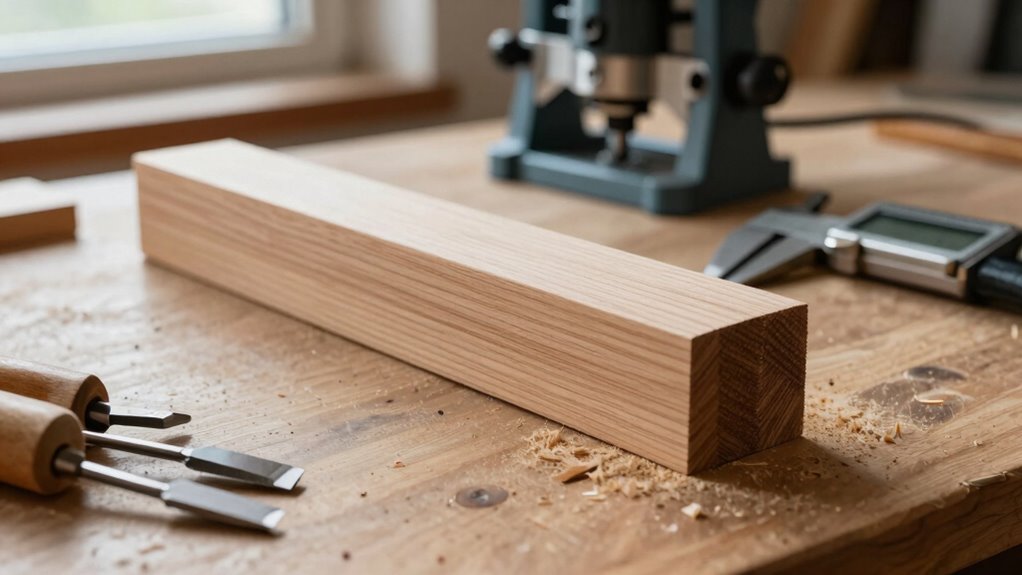
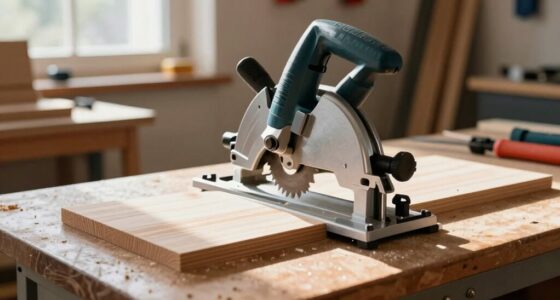
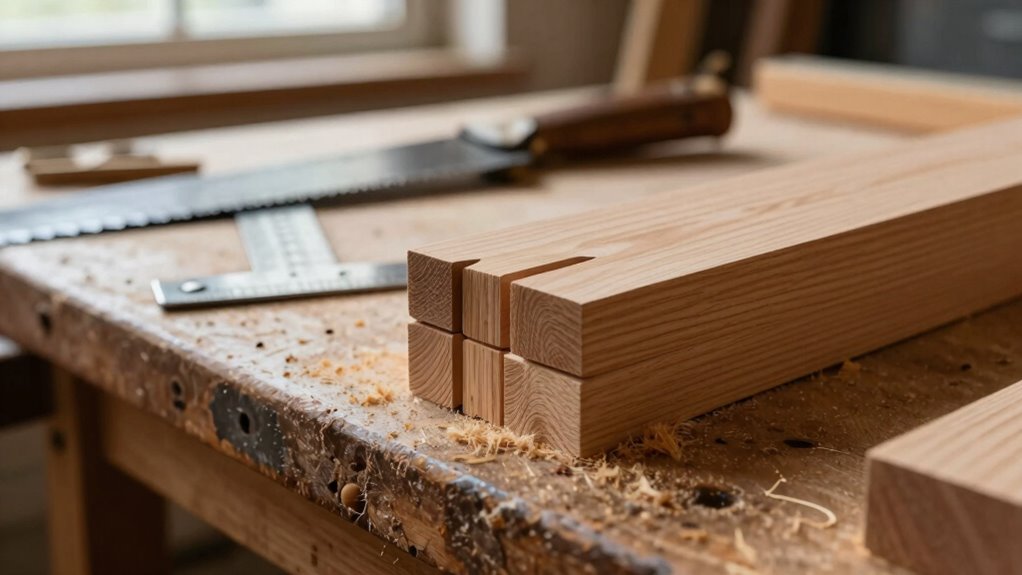
Running a small woodshop demands more than just skill; it requires meticulous attention to detail and precise execution. When you’re working with wood, every cut, joint, and finish matters. One of the clearest signs of true craftsmanship is your ability to achieve perfect grain matching. You pay close attention to the direction and pattern of the wood’s grain, aligning pieces so the natural flow creates a seamless look. This isn’t just about aesthetics—it’s about respecting the material and guaranteeing the finished product is both durable and beautiful. Grain matching requires patience and a keen eye, especially when working with varying types of wood or large panels. You’ll often plan your cuts carefully, sometimes even rearranging pieces to ensure the grain lines up in a way that enhances the overall design. Sustainable woodworking practices also emphasize the importance of minimizing waste and choosing responsibly sourced materials, further reflecting your respect for the environment. Developing a consistent technique is crucial because it helps maintain high standards across all your projects. Consistency in your methods ensures that each piece meets your quality expectations and builds your reputation over time.
Finish smoothing is another hallmark of precision in your small woodshop. Once you’ve assembled your project, you don’t just rush to paint or stain. Instead, you focus on achieving a surface so smooth that it feels flawless to the touch. You use a series of progressively finer grits of sandpaper, paying close attention to every contour and corner. This step demands patience because skipping or rushing through it can ruin the entire look, leaving rough patches or visible scratches. The goal is to eliminate imperfections, creating a surface that’s perfectly prepared for the final finish. Your careful finish smoothing not only elevates the appearance but also extends the longevity of your work, as a well-sanded surface allows finishes to adhere evenly and thoroughly. Maintaining a consistent sanding technique is essential to ensure each project shares the same high standard, reinforcing your reputation for quality craftsmanship. By maintaining a consistent and precise sanding technique, you ensure your projects stand the test of time. Being mindful of technique consistency helps you catch small mistakes early, preventing costly rework and ensuring a professional result.
In a small woodshop, precision means more than just following plans—it’s about anticipating potential issues and addressing them before they become problems. You double-check measurements, test cuts on scrap pieces, and constantly refine your techniques. Every detail, from grain matching to finish smoothing, reflects your commitment to quality. You understand that small mistakes can stand out in a finished piece, so you take the time needed to get everything just right. This dedication transforms simple woodworking into art, showcasing your skill and respect for the craft. When you look at your completed project, it’s clear that your attention to detail has made all the difference, proving that true precision is about consistency, patience, and an unwavering pursuit of excellence.
woodworking grain matching tools
As an affiliate, we earn on qualifying purchases.
As an affiliate, we earn on qualifying purchases.
Frequently Asked Questions
How Do Small Shops Ensure Consistent Accuracy Across Projects?
You guarantee consistent accuracy by carefully choosing your materials and applying precise finishing techniques. Select high-quality, stable wood to minimize warping, and always measure twice before cutting. Use jigs and templates to maintain uniformity across projects. Consistently refine your techniques, double-check your work, and stay organized. This attention to detail helps you achieve reliable results, making sure every piece aligns perfectly and meets your quality standards.
What Tools Are Essential for Achieving Precision in a Small Woodshop?
You need essential tools like a reliable square, a calibrated saw, and a precise drill for accuracy. Did you know that improper tool calibration can cause deviations of up to 2mm? To guarantee precision, regularly calibrate your tools and carefully select quality materials. These steps help you maintain consistent accuracy across projects, enabling your work to meet high standards and ensuring every cut and joint fits perfectly.
How Does Room Size Affect Precision and Workflow?
Room size impacts your precision and workflow considerably. In a smaller space, you need to focus on space optimization to prevent clutter, which can lead to mistakes. Properly calibrated tools are essential to maintain accuracy despite limited room. You should prioritize efficient layout and storage solutions, ensuring tools are accessible and calibrated regularly. This way, even in tight quarters, you can achieve consistent precision and smooth workflow.
What Common Mistakes Reduce Accuracy in Small Woodworking Shops?
Ever wonder what wrecks precision in your small woodshop? Rushing through finishing techniques or choosing unsuitable materials often leads to mistakes. You might cut corners on measurements or skip proper setup, causing inaccuracies. Always double-check your measurements, take your time with finishing, and select quality materials suited for your project. These small steps help guarantee your work remains precise, even in limited space. Wouldn’t you agree that attention to detail makes all the difference?
How Long Does It Typically Take to Master Precision Skills?
It typically takes several months to a year to master precision skills in woodworking, depending on your dedication. Your techniques overview, including careful measurement, consistent tool calibration, and patience, plays an essential role in skill development. By practicing regularly and paying close attention to detail, you’ll gradually improve your accuracy. Remember, mastering precision is a continuous journey, and each project helps you refine your techniques and build confidence.
Conclusion
Remember, in your small woodshop, precision isn’t about perfection but consistency. Think of it like tuning a guitar—small adjustments, repeated often, create harmony. I once watched a craftsman spend hours refining a joint, only to realize that steady, deliberate cuts produced a stronger, cleaner fit. That’s the secret: patience and attention to detail turn rough material into something beautiful. Keep honing your skills; your craftsmanship will sing just like that perfectly tuned guitar.
Halloween Picks
halloween
As an affiliate, we earn on qualifying purchases.