Strong panel glue-ups share key qualities: you carefully prepare surfaces to be clean, smooth, and aligned, ensuring a solid base. You choose the right adhesive for the materials and conditions, balancing strength and environmental factors. Applying the glue evenly and using proper clamps maintains pressure and prevents weak spots during curing. Paying attention to curing time, temperature, and humidity helps the bond reach full strength. Keep these principles in mind, and you’ll build stronger, more durable panels—if you want to learn more, keep going.

Get business pricing on tools and workshop supplies
- Business-only prices and quantity discounts
- Tax-exempt purchasing
- Multiple users, one account, clear invoices
Key Takeaways
- Proper joint preparation ensures clean, smooth surfaces for optimal adhesive bonding.
- Selecting the appropriate adhesive based on materials and environmental conditions enhances strength.
- Ensuring correct application and even clamping pressure promotes uniform adhesive distribution.
- Adhering to recommended curing times and conditions maximizes bond durability.
- Considering environmental factors prevents bond degradation and maintains joint integrity over time.
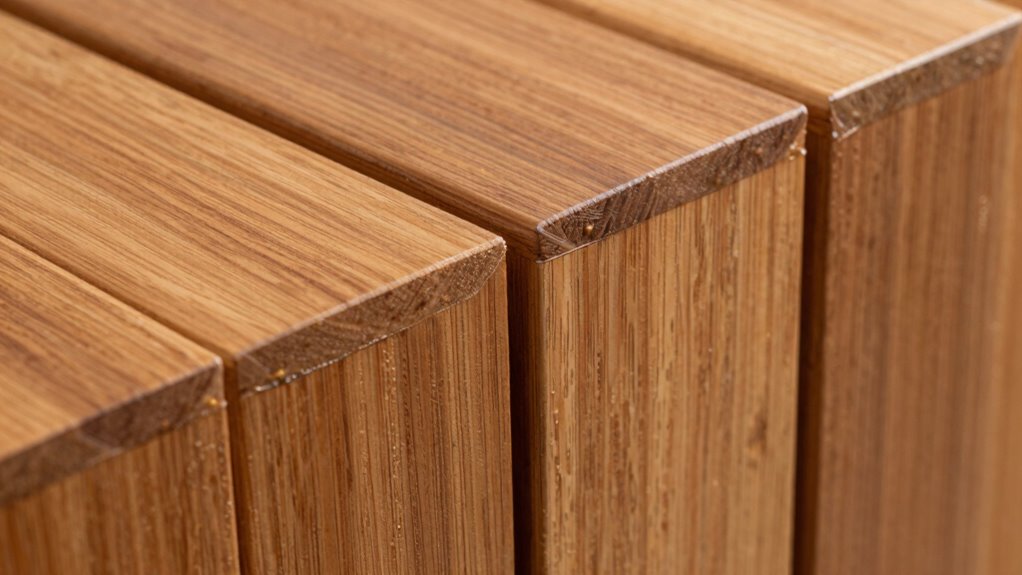
When you need durable and reliable panel assemblies, strong glue-ups are essential. The key to achieving this strength lies in understanding what these glue-ups have in common. First, the type of adhesive you choose makes a significant difference. There are various adhesive types—such as PVA (polyvinyl acetate), epoxy, polyurethane, and hot melt—each suited for different materials and conditions. Selecting the right adhesive depends on the materials you’re bonding, the environmental exposure, and the strength requirements. For example, epoxy offers superior strength and water resistance, making it ideal for high-stress or outdoor applications, while PVA glues are perfect for indoor woodworking projects. Regardless of the adhesive type, the success of the glue-up hinges on proper joint preparation. Additionally, understanding the adhesive curing process helps in selecting the proper clamping duration and conditions to ensure optimal bond strength. Proper clamp pressure is equally important to prevent any movement that could weaken the joint during curing. Using the right application methods can also reduce waste and improve the bond quality, especially when working with complex or awkward joints. It’s also beneficial to consider the environmental conditions during curing, as temperature and humidity can influence the adhesive’s performance and final strength. Being aware of adhesive properties such as flexibility and gap-filling ability can further enhance bond performance in challenging joints. Applying adhesives correctly and consistently is critical to achieving a strong, durable bond.
As an affiliate, we earn on qualifying purchases.
Frequently Asked Questions
What Types of Panels Are Best Suited for Strong Glue-Ups?
You should choose smooth, stable panels like plywood, MDF, or hardwood for strong glue-ups. To guarantee durability, focus on proper panel surface preparation—clean, dry, and free of dust or debris. Select the right adhesive, such as epoxy or high-quality wood glue, suited for your panel material. Proper surface prep combined with the appropriate adhesive creates a strong, lasting bond, making your glue-up project successful.
How Long Should I Clamp Panels During the Glue-Up Process?
Clamp your panels for at least 30 minutes to guarantee a strong bond, but don’t rush the glue curing process. Use proper clamping techniques, applying even pressure across the surface to prevent gaps. For best results, leave the clamps on for 1-2 hours, especially if using slower-curing glues. This allows the adhesive to set thoroughly, resulting in a durable, seamless panel. Remember, patience during clamping pays off in the final strength.
What Safety Precautions Should I Take When Working With Panel Glue?
When working with panel glue, you’ll want to prioritize safety gear like gloves and goggles, shielding your skin and eyes from potential splashes. Make certain good ventilation to disperse fumes and keep the air fresh, much like a gentle breeze clearing clouds. Always work in a well-ventilated area and wear appropriate safety gear to prevent irritation or accidents. Staying cautious helps keep your workspace safe and your project on track.
Can Different Adhesives Be Used for Panel Glue-Ups?
Yes, different adhesives can be used for panel glue-ups, but you need to ensure adhesive compatibility and curing times. Not all adhesives bond well with every material, so check manufacturer recommendations for your specific panels. Some adhesives cure faster, which might suit your project timeline, while others take longer but offer stronger bonds. Always choose an adhesive suited to your materials and project needs to guarantee a durable, reliable glue-up.
How Do Environmental Factors Affect the Strength of Panel Glue Joints?
Environmental factors like moisture impact and temperature effects markedly influence the strength of your panel glue joints. Excess moisture can weaken the adhesive bond, causing delamination or warping, especially in humid conditions. High or fluctuating temperatures may reduce adhesive curing effectiveness, leading to weaker joints. To guarantee durability, you should control humidity levels and avoid extreme temperature changes during and after the glue-up process. Proper environmental management guarantees stronger, longer-lasting panel joints.
Conclusion
In the end, strong panel glue-ups share common traits: proper surface preparation, the right adhesive, and consistent clamping. Think of it like building a sturdy bridge—you need solid supports, good materials, and steady pressure. By understanding these principles, you can visualize your project as a chain of secure links, each one reinforcing the next. When you follow these steps, your glue-up becomes not just strong, but reliably lasting, just like a well-constructed bridge.
Fall yard work Picks
leaf blowers
As an affiliate, we earn on qualifying purchases.