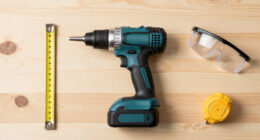
To make repairs easier years later, choose joinery that’s designed for disassembly, like pocket screws or dowel joints. These joints let you take furniture apart and reassemble without damage, saving you time and frustration. Avoid glued joints like butt joints, which are harder to repair. Mechanical fasteners also help, as they’re easy to replace. If you want to keep your furniture simple to fix down the line, understanding these options will help you make smart choices.

Get tools and workshop supplies delivered free — and shop member deals
- Fast, free delivery on millions of items
- Access to Prime Big Deal Days deals on October 6–7
- Prime Video, Amazon Music and more included
Key Takeaways
- Choose joinery types that allow for disassembly, such as pocket screws or dowels, for easier future repairs.
- Avoid glue-only joints like butt joints, which are difficult to repair without replacing entire sections.
- Select joints with accessible repair points to facilitate re-gluing or part replacement later.
- Use mechanical fasteners alongside joinery to provide additional repair options over time.
- Plan for repairability by balancing joint strength with the ability to disassemble and reassemble easily.
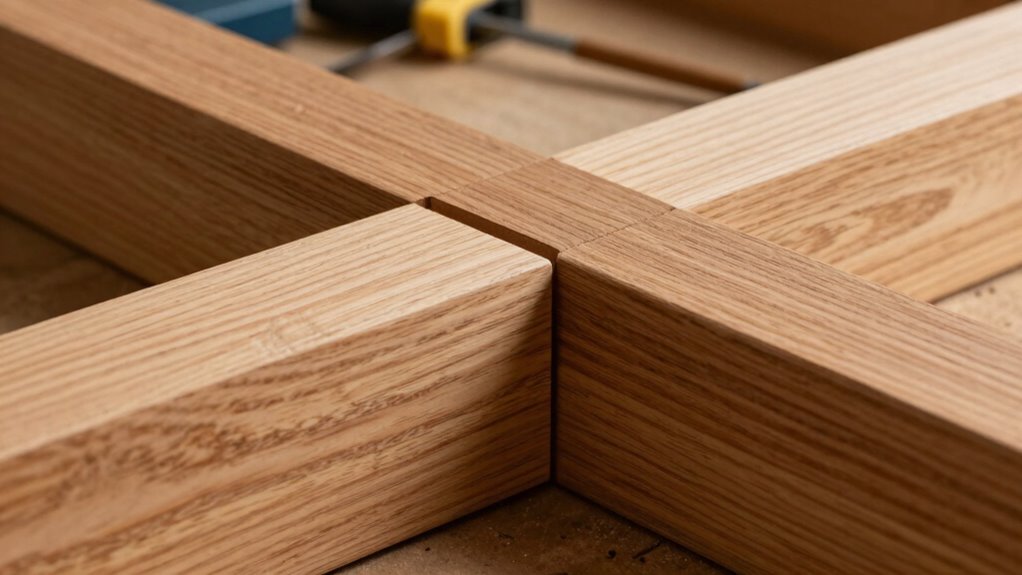
Have you ever struggled with repairing furniture or cabinetry because of poor joinery choices? If so, you know how frustrating it can be to fix something only to find that the original wood joint types weren’t designed for easy repairs. Choosing the right joinery decision now can make a huge difference down the line, especially when you need to perform repairs years later. The key lies in understanding how different wood joint types influence the repair process and selecting those that lend themselves to easier fixability.
Choosing repair-friendly joinery now saves time and frustration in future furniture fixes.
When it comes to joinery, not all wood joint types are created equal. Some, like dovetail joints or mortise and tenon joints, offer incredible strength but can be difficult to repair if they crack or loosen. Others, such as pocket screws or dowel joints, might not be as strong but are far easier to disassemble and reassemble. If you prioritize future repairability, it’s wise to choose joints that can be taken apart without damaging the surrounding wood. For example, pocket screw joints are quick to assemble and repair because they can be disassembled without much fuss. On the other hand, dado joints or rabbet joints, while sturdy, can be more challenging to repair because they often require re-gluing or even replacing entire sections of wood. In addition, understanding the repairability of different joinery types can help you select options that are easier to fix later on. Recognizing the impact of joinery design on repairability can also influence your choices, ensuring your furniture remains accessible for future fixes.
Your choice of joinery also impacts the repair techniques available when something goes wrong. For joints that are designed for easy disassembly, repair techniques like re-gluing or replacing a damaged piece become straightforward. Conversely, if you opt for a glue-only joint like a butt joint, repairs can be complicated, often involving cutting away damaged sections and re-gluing entire parts. When selecting wood joints, consider how accessible they will be for future repairs and whether you might need to replace or reinforce sections later. Using mechanical fasteners such as nails, screws, or dowels can provide additional options for repair, making it easier to disassemble and reassemble components as needed. Additionally, understanding joinery types and their repairability can help you make informed choices that save time and effort later. Recognizing the importance of wood joint design can further contribute to creating durable yet repairable furniture pieces.
Being mindful of material compatibility can also make a significant difference in how well repairs hold up over time, especially if different types of wood are involved. Ultimately, your goal should be to choose joinery that balances strength with repairability. By understanding how different wood joint types influence repair techniques, you can make smarter decisions today that save time, effort, and frustration in the future. When planning furniture or cabinetry, think ahead: opt for joinery methods that allow for easier disassembly and reassembly, so that if repairs are needed years down the line, you’ll be ready. This foresight ensures your projects remain functional and accessible, long after the initial build.
As an affiliate, we earn on qualifying purchases.
Frequently Asked Questions
What Are the Most Common Joinery Types for Easy Repairs?
You should choose dovetail joints and mortise and tenon joints for easier repairs. Dovetail joints lock tightly, making them durable and simple to disassemble if needed. Mortise and tenon joints connect pieces firmly and are straightforward to repair or replace without damaging surrounding wood. Both joinery types facilitate repairs because they’re strong yet accessible, reducing the risk of damage during maintenance. Opting for these joinery methods simplifies future repairs considerably.
How Does Joinery Affect the Longevity of Furniture?
Did you know that well-executed joinery can extend furniture lifespan by over 50%? Joinery affects longevity because sturdy, precise techniques like mortise and tenon or dovetail joints enhance structural integrity. Your choice of joinery influences both aesthetics and repairability; historical joinery often emphasizes durability, making furniture easier to fix years later. Proper joinery guarantees your pieces withstand daily use and age gracefully, keeping them functional and beautiful for decades.
Can Joinery Techniques Be Modified After Initial Construction?
Yes, you can modify joinery techniques after initial construction, but it requires careful planning to maintain joinery durability and aesthetic considerations. You might reinforce joints or add new fasteners, but guarantee these changes blend seamlessly with the original craftsmanship. Consulting a skilled woodworker helps, as they can suggest modifications that preserve the furniture’s strength and beauty, making repairs easier and extending its lifespan.
What Tools Are Best for Making Repair-Friendly Joints?
You should use clamps, chisels, and a quality saw to make repair-friendly joints that enhance joint strength and aesthetic appeal. Clamps guarantee tight, secure joins, while chisels help refine fit and detail. A sharp saw provides precise cuts, reducing damage and making repairs easier later. These tools collectively help you create durable, visually appealing joints that simplify future repairs, saving you time and effort.
Are Certain Wood Species Better for Repairable Joinery?
Certain wood species are better for repairable joinery because of their wood grain and moisture resistance. Hardwoods like oak and maple have tight, straight grain, making them easier to work with and less prone to splitting. They also resist moisture, preventing swelling or shrinking that can weaken joints over time. Using these woods guarantees your repairs are more durable and straightforward, saving you time and effort in the long run.
Conclusion
By choosing the right joinery now, you set yourself up for hassle-free repairs down the line—think of it as your secret weapon against future headaches. When you opt for simpler, more accessible joints, fixing or replacing parts becomes a breeze, saving you time and money. Don’t be a square—embrace joinery choices that stand the test of time, even if it means channeling your inner Marie Antoinette and thinking ahead like a true craftsman.
Halloween Picks
halloween
As an affiliate, we earn on qualifying purchases.