
To decide if a crack is structural or just cosmetic, look at its size, pattern, and signs of movement. Hairline cracks under 1/8 inch are usually harmless, but wider than 1/4 inch could signal serious foundation issues. Diagonal or uneven cracks, especially if they grow over time, suggest shifting or settlement. Also, watch for doors or windows that stick or floors that are uneven. If you want to understand how to assess these signs more precisely, keep exploring the helpful details ahead.
Listen free for 30 days with Audible
Thousands of audiobooks and originals — cancel anytime.
As an affiliate, we earn on qualifying purchases.
Key Takeaways
- Measure the crack width; wider than 1/4 inch often indicates structural issues.
- Check crack patterns; horizontal or jagged cracks near doorframes suggest foundation movement.
- Monitor crack growth over time; worsening cracks may signal ongoing structural problems.
- Observe other signs like sticking doors, uneven floors, or gaps around windows.
- Consult a professional if multiple signs are present or if cracks are wide and worsening.
Ever wondered how to tell if a crack in your wall is just a minor blemish or a sign of a bigger problem? It’s a question many homeowners face, especially when cracks suddenly appear and seem to grow overnight. The key is understanding what causes different types of cracks and recognizing the signs of underlying issues like foundation settlement or wall movement. Not all cracks are serious, but some can indicate structural problems that need immediate attention.
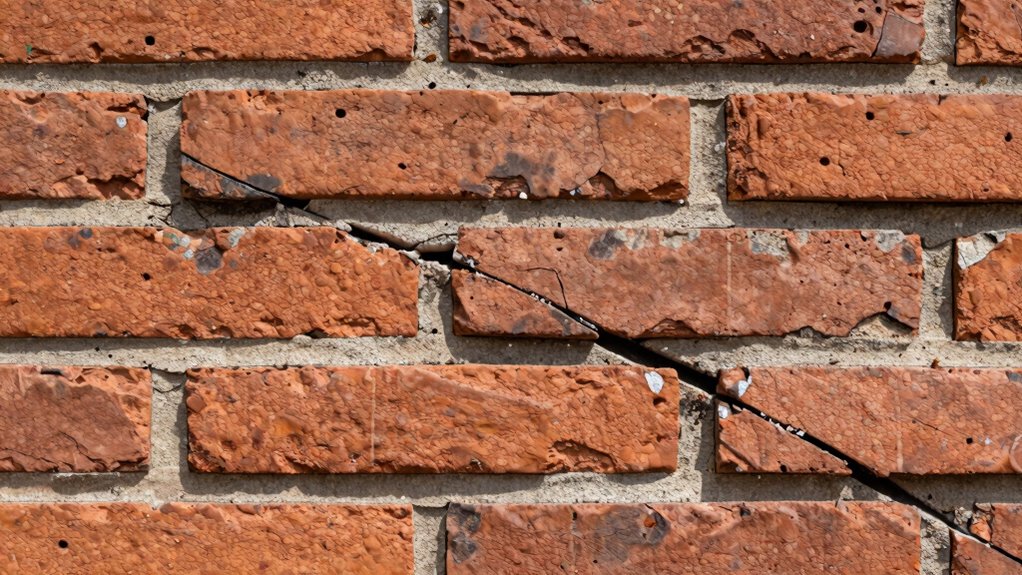
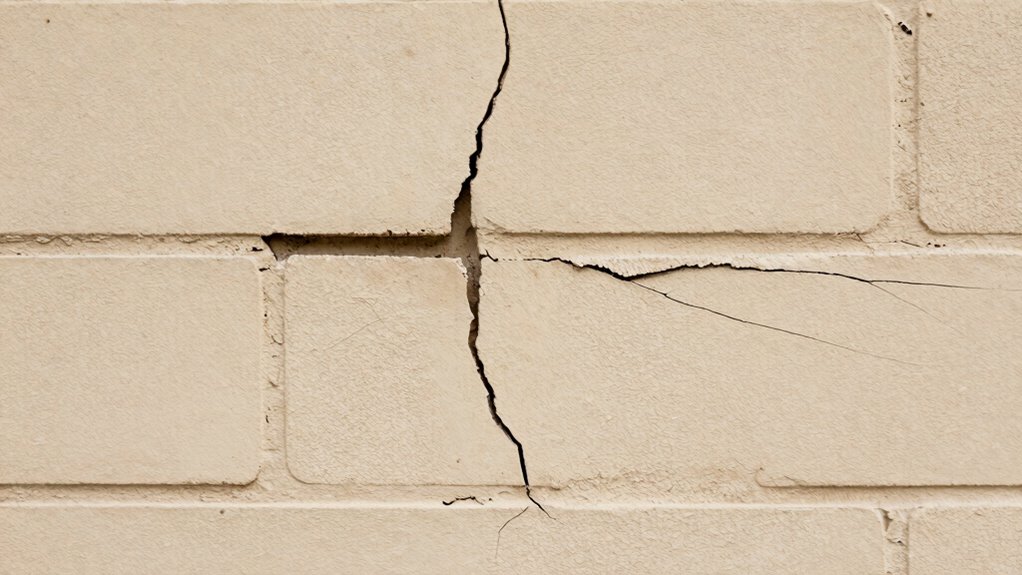
Start by examining the crack’s location and pattern. Horizontal or jagged cracks, especially those that run near door frames or windows, often point to movement within the wall or foundation. Wall movement can occur when the soil beneath your house shifts or settles unevenly, leading to structural stress. Foundation settlement, where the ground beneath your house sinks or shifts, can cause walls to crack as they adjust to the new position. If you notice cracks that are wider at the top than the bottom or cracks that run diagonally across walls, it could be a sign that your foundation is settling unevenly, putting stress on the structure.
Next, look at the size and length of the cracks. Hairline cracks less than 1/8 inch wide are usually cosmetic, caused by normal settling or minor temperature changes. However, cracks wider than 1/4 inch, especially if they continue to grow or worsen over time, are a red flag. These might indicate significant wall movement or foundation issues, particularly if they run across multiple walls or floors. Keep an eye on whether the cracks are stable or expanding, as ongoing growth points to ongoing movement beneath the surface.
It’s also essential to evaluate whether the cracks are accompanied by other signs of foundation problems. For example, doors and windows that stick or don’t close properly, uneven floors, or gaps around window frames can all be indicators of foundation settlement. These issues often go hand-in-hand with wall cracks caused by wall movement. If you notice multiple symptoms like these, it’s wise to consult a foundation specialist or structural engineer for a thorough assessment. Additionally, understanding the causes of wall cracks can help you determine whether the issue is cosmetic or requires professional intervention. Recognizing the importance of biodiversity and sustainable living practices can also play a role in maintaining a healthy environment that minimizes soil disturbance around your home. Moreover, paying attention to soil conditions and drainage around your property can help prevent future foundation problems caused by soil instability. Regular inspections and proper landscaping can mitigate some of these risks by promoting soil stability around your foundation.
As an affiliate, we earn on qualifying purchases.
Frequently Asked Questions
Can Small Cracks Still Be Structural?
Yes, small cracks can still be structural. Even tiny cracks might indicate underlying issues with foundation stability or wall integrity. You should pay attention if cracks are widening, changing direction, or accompanied by other signs like sticking doors or windows. It’s important to have a professional assess these cracks promptly, as they can reveal potential risks to your home’s safety and long-term stability, even if they seem minor initially.
Do All Cracks Require Professional Inspection?
You should definitely get a professional inspection if you’re unsure about a crack’s significance. For example, a homeowner noticed a vertical crack in the basement wall; without expert advice, they risked overlooking a foundation stability issue. Not all cracks are cosmetic—some signal serious structural concerns. A professional can evaluate whether the crack affects your home’s safety or if it’s just surface-level, ensuring peace of mind and proper repairs.
How Quickly Should I Address a Crack?
You should address a crack as soon as you notice it to prevent further damage. Use maintenance tips like monitoring cracks regularly and inspecting with simple tools like a ruler or level to track changes. For larger or expanding cracks, schedule a professional inspection promptly. Quick action helps identify whether it’s cosmetic or structural, ensuring your home stays safe and in good condition. Don’t delay, and keep an eye on any new developments.
Are There DIY Methods to Assess Cracks?
Think of a crack as a silent scream from your wall; you can’t ignore it. For a DIY assessment, mark the ends with a pencil and watch for crack expansion over time. If the crack widens or lengthens, it’s a warning sign. Keep a close eye on it daily, and if it grows, don’t hesitate to seek professional advice. Your home’s health depends on your vigilance.
What Are the Long-Term Risks of Ignoring Cracks?
Ignoring cracks can threaten your home’s foundation stability and lead to moisture intrusion, which worsens damage over time. If left untreated, cracks may expand, causing uneven floors or walls, and increase the risk of mold growth. You might face costly repairs later. Regular inspections help catch issues early. Addressing cracks promptly guarantees your home stays safe, dry, and structurally sound for the long term.
Conclusion
So, next time you see a crack, remember: it’s not just a line on your wall, but a potential warning sign. Cosmetic cracks might fade with time, like a passing breeze, but structural ones demand your attention—like a thunderstorm on the horizon. Ignoring the difference could cost you more than just money. Stay vigilant, trust your instincts, and when in doubt, consult a professional. Your home’s safety depends on it.
NFL season / tailgating Picks
team gear
As an affiliate, we earn on qualifying purchases.