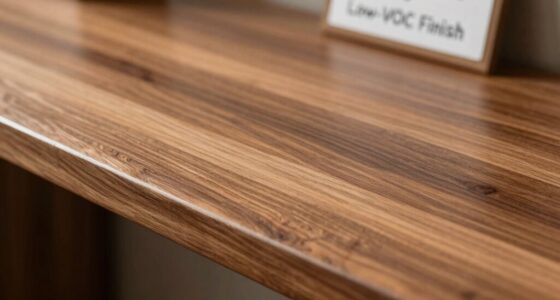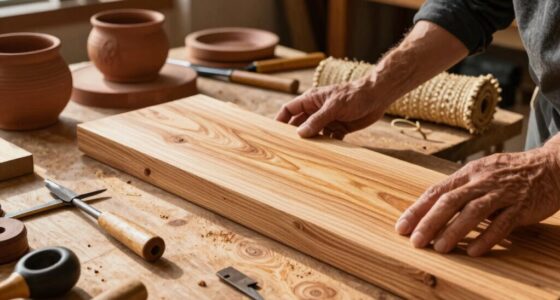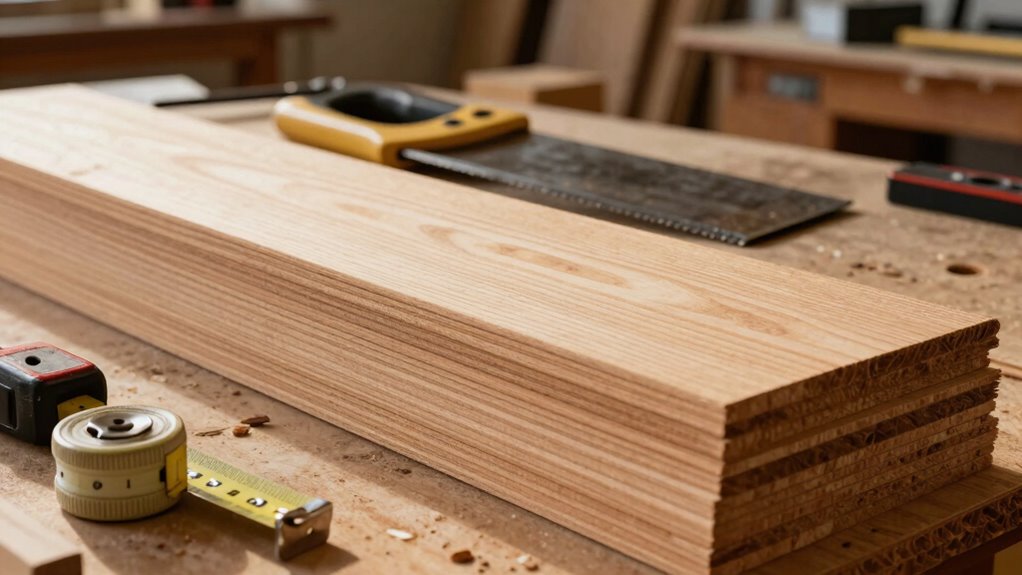
You can think of engineered wood as a smart, eco-conscious choice that’s often more affordable and resource-efficient than solid wood. It uses smaller or recycled wood pieces, reducing the need for large logs and supporting sustainable forestry. Both materials have their strengths, so it’s best to appreciate engineered wood for its practicality and environmental benefits. If you’re curious, you’ll discover more about how it balances cost, sustainability, and style for your projects.

Get business pricing on tools and workshop supplies
- Business-only prices and quantity discounts
- Tax-exempt purchasing
- Multiple users, one account, clear invoices
Key Takeaways
- Recognize engineered wood’s environmental benefits, such as resource efficiency and supporting sustainable forestry.
- Appreciate both solid and engineered wood for their unique strengths and suitable applications.
- Avoid bias by understanding that engineered wood offers a cost-effective, eco-friendly alternative without sacrificing quality.
- Focus on practical needs and project requirements rather than aesthetic biases or perceptions of superiority.
- Value responsible material choices that promote sustainability and responsible manufacturing practices.
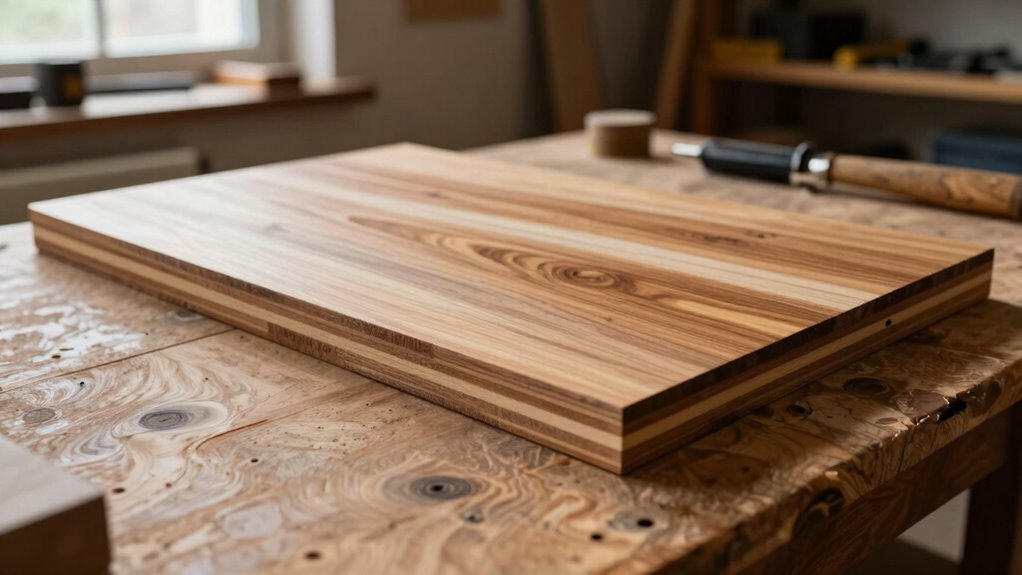
Are you curious about how manufactured wood compares to traditional solid wood? It’s a common question, especially as more people seek sustainable and budget-friendly options for furniture, flooring, and other projects. Engineered wood is made by combining wood fibers, particles, or veneers with adhesives to create panels that mimic the look and feel of solid wood. This process offers distinct advantages, particularly in regarding sustainability benefits and cost comparison, which can influence your decision without the need for snobbery or bias.
Engineered wood offers sustainable, budget-friendly alternatives to solid wood, blending eco-consciousness with practical affordability.
When you consider sustainability benefits, engineered wood often comes out ahead because it uses wood more efficiently. Unlike solid wood, which requires large, solid logs, engineered wood makes use of smaller or recycled wood pieces, reducing the demand for virgin timber. This means fewer trees are cut down, helping to preserve forests and promote responsible forestry practices. Additionally, because engineered wood can be produced using less material for the same surface area, it tends to have a lower environmental footprint. Resource efficiency is an important factor to consider when evaluating the environmental impact of different wood products. Using engineered wood can also help reduce waste in the manufacturing process, further supporting sustainability efforts. Incorporating sustainable materials into your choices can make a significant difference in environmental impact. Recognizing the environmental advantages of engineered wood can help you appreciate its role in sustainable design. Understanding these manufacturing processes can deepen your appreciation for engineered wood’s efficiency and eco-friendliness.
On the other hand, the cost comparison between engineered and solid wood is often favorable toward engineered options. Solid wood can be expensive because it’s cut directly from mature trees, and prices fluctuate based on species, quality, and availability. Engineered wood tends to be more affordable because it uses less expensive materials and manufacturing techniques that allow for mass production. You might find that engineered wood offers a budget-friendly alternative without sacrificing too much in appearance or functionality. This doesn’t mean engineered wood is cheap quality; rather, it’s a smart choice for those who want good value and durability without overspending.
It’s essential to approach this comparison without snobbery. Both solid and engineered wood have their place, depending on your project needs, budget, and values. Solid wood offers a classic, often more desirable aesthetic and can be more durable over decades if properly maintained. Engineered wood, however, provides a reliable, eco-friendlier, and cost-effective solution that works well in many applications. Recognizing the strengths of each allows you to make an informed choice based on facts rather than bias or tradition. Ultimately, understanding the different aspects—like sustainability benefits and cost comparison—helps you see engineered wood as a practical, responsible option rather than dismissing it as lesser.
As an affiliate, we earn on qualifying purchases.
Frequently Asked Questions
Is Engineered Wood More Affordable Than Solid Wood?
Yes, engineered wood is generally more affordable than solid wood, especially when you look at the cost comparison for large projects. It offers great material versatility, allowing you to get the look and strength of solid wood at a lower price. Plus, engineered wood makes better use of resources, which can help you save money while still achieving the quality and durability you need for your project.
How Durable Is Engineered Wood Compared to Traditional Wood?
Engineered wood is quite durable, especially in regards to grain strength and moisture resistance. Its layered construction enhances stability, making it less prone to warping or cracking compared to traditional wood. You’ll find it holds up well over time, even in humid environments. While it may not match the absolute toughness of solid wood, its engineered design offers a practical, resilient choice for many applications, ensuring longevity and durability.
Can Engineered Wood Be Recycled or Reused?
You might be surprised to learn that engineered wood can often be recycled or reused, thanks to innovative recycling processes that break it down into usable materials. Its reuse potential makes it eco-friendly, reducing waste in landfills. When you consider recycling options, you’ll find that engineered wood offers sustainable choices for future projects, giving it a second life and helping you contribute to environmental conservation while enjoying its versatility.
What Environmental Impacts Are Associated With Engineered Wood?
Engineered wood has environmental impacts like a notable carbon footprint due to its manufacturing process. However, if sourced sustainably, it reduces waste by utilizing smaller wood pieces and recycled materials. You can minimize environmental harm by choosing products with sustainable sourcing certifications. Although it’s not completely eco-friendly, engineered wood’s ability to reuse waste and lower overall resource use makes it a more sustainable option compared to traditional solid wood.
Is Engineered Wood Suitable for Outdoor Projects?
Engineered wood is like a chameleon—adaptable for outdoor projects, but you need to choose the right type. It’s suitable if you opt for weather-resistant varieties, offering great aesthetic versatility. Keep in mind, its maintenance requirements can vary; some need regular sealing to withstand the elements, while others are more rugged. With proper care, engineered wood can be a durable, attractive choice for your outdoor spaces.
Conclusion
So, next time someone dismisses engineered wood as mere “cheap imitation,” remind them it’s the superhero of building materials—stronger than steel, more versatile than traditional wood, and saving forests one plank at a time. Don’t let snobbery blind you; engineered wood is transforming the way we build, making dreams come true faster than you can say “sustainable.” Embrace it, and watch your projects soar to legendary heights—because this isn’t just wood; it’s a revolution!
Fall Picks
fall essentials
As an affiliate, we earn on qualifying purchases.