
TL;DR

Get business pricing on tools and workshop supplies
- Business-only prices and quantity discounts
- Tax-exempt purchasing
- Multiple users, one account, clear invoices
Thames Water has introduced a hosepipe ban effective immediately, citing drought conditions and low water reserves. The restriction aims to conserve water and prevent supply shortages. The ban impacts millions of customers and is part of ongoing drought management measures.
Thames Water has implemented a hosepipe ban effective immediately, affecting millions of households in Greater London and surrounding areas. The restriction is a response to prolonged dry weather and critically low reservoir levels, aiming to conserve water and prevent supply disruptions. This marks the first such ban in the region since 2012 and underscores ongoing concerns about water shortages amid changing climate patterns.
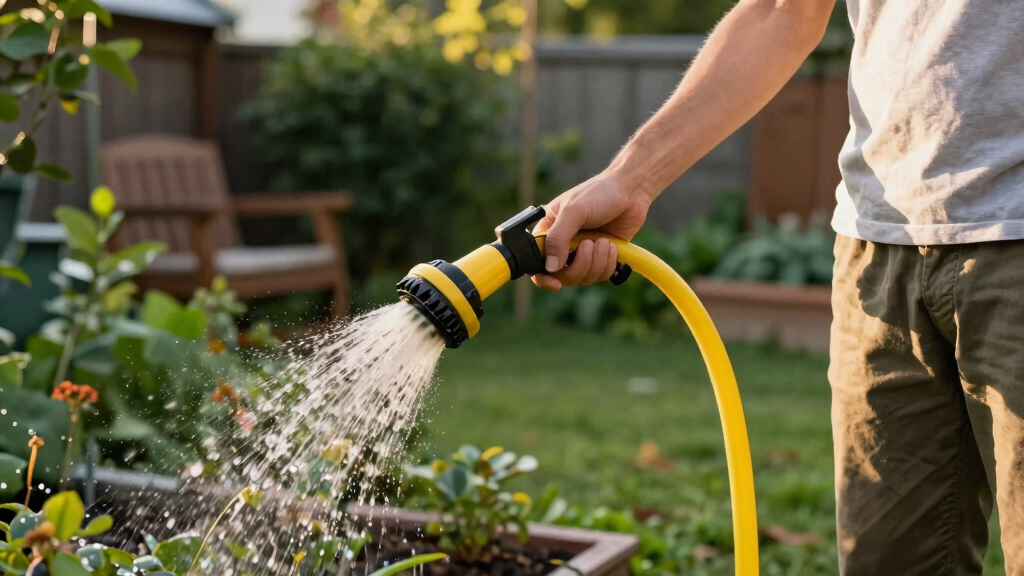
Thames Water announced the hosepipe ban on March 26, 2026, citing unprecedented dry conditions and reservoir levels dropping below 50% capacity. The restriction prohibits the use of hosepipes for watering gardens, cleaning vehicles, and filling swimming pools, among other activities. The ban affects approximately 15 million residents across London, Surrey, and parts of Berkshire.
According to Thames Water, the decision was made after a period of below-average rainfall and increasing demand for water, driven partly by a warm, dry winter and early spring. The company stated that the ban is necessary to protect the water supply and ensure sustainable management during the ongoing drought. Thames Water’s spokesperson emphasized that the restriction is a precaution and urged customers to reduce water use voluntarily.
Local authorities and environmental groups have supported the move, warning that continued dry weather could lead to more severe restrictions if conditions do not improve. Thames Water has also announced plans to increase water recycling and invest in infrastructure to improve resilience against future droughts.
Impacts on Water Conservation and Public Behavior
The hosepipe ban highlights the ongoing challenges of managing water resources amid climate change and prolonged dry spells. For residents, it signals a need to adapt daily habits to conserve water, which could have lasting effects on outdoor activities and lifestyle. The restriction also underscores the importance of sustainable water management strategies in densely populated urban areas, where demand often exceeds supply during dry periods.
Authorities warn that failure to comply could lead to fines or legal action, and that further restrictions may follow if drought conditions persist. The ban serves as a reminder of the critical need for infrastructure investments and policies aimed at increasing water resilience in the face of climate uncertainty.
As an affiliate, we earn on qualifying purchases.
Recent Drought Trends and Thames Water’s Response
Over the past year, the UK has experienced below-average rainfall, leading to declining reservoir levels across southern England. Thames Water reported that several of its reservoirs are at their lowest levels in over a decade, prompting the decision to impose restrictions. Historically, the region has faced hosepipe bans in 2012 and 2018, but this is the first in the current drought cycle to affect such a large population.
Thames Water has previously issued warnings about water scarcity, urging customers to be mindful of their consumption. The current drought is part of a broader pattern of changing climate conditions impacting water availability in the UK, with experts warning that such events may become more frequent and severe.
“We are implementing this hosepipe ban to protect our water supplies during an ongoing period of dry weather. We urge our customers to follow the restrictions and use water responsibly.”
— Thames Water spokesperson
Unclear Duration and Scope of Future Restrictions
The duration of the hosepipe ban has not been specified and will depend on weather conditions and reservoir levels. Thames Water has indicated that restrictions could be eased if rainfall improves but has not provided a timeline. It remains uncertain whether additional restrictions will be implemented if drought conditions persist or worsen.
Monitoring Weather and Reservoir Levels for Relief
Thames Water will continue to monitor weather forecasts, reservoir levels, and water demand. The company has committed to reviewing restrictions regularly and providing updates to the public. Customers are advised to follow official guidance and adopt water-saving measures during this period. Additional restrictions may be considered if dry conditions continue or intensify.
Key Questions
How long will the hosepipe ban last?
The duration of the ban depends on weather conditions and reservoir levels. Thames Water has not set a specific end date and will review restrictions periodically.
What activities are banned under the hosepipe restriction?
The ban prohibits using hosepipes for watering gardens, cleaning vehicles, filling pools, and other outdoor water uses not related to essential activities.
Are fines or penalties in place for violations?
Yes, Thames Water has stated that violations could result in fines or legal action, and compliance is expected.
Could there be more restrictions if drought continues?
Additional restrictions or measures may be introduced if drought conditions persist or worsen.
What can residents do to help conserve water?
Residents are encouraged to reduce outdoor water use, fix leaks, and follow official guidance to support water conservation efforts during the drought.
Source: google-trends
Fall yard work Picks
leaf blowers
As an affiliate, we earn on qualifying purchases.