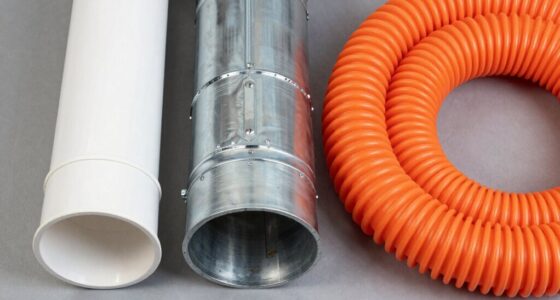
To build more with offcuts and reduce waste, plan your cuts carefully using detailed layouts or software to maximize material use. Organize scraps for easy reuse and consider recycling techniques for leftover concrete, wood, or metal. Choose sustainable materials like reclaimed wood or recycled steel to lower waste. Design with modular components that minimize offcuts and encourage reuse in landscaping or other projects. Keep fostering a mindset focused on waste reduction—more tips on smarter building strategies are just ahead.
Key Takeaways
- Plan and measure carefully to maximize material use and reduce unnecessary scraps.
- Implement recycling techniques to repurpose offcuts into functional components or base materials.
- Use sustainable materials like reclaimed wood or recycled steel to facilitate reuse and waste reduction.
- Design modular and prefabricated components to minimize material waste during production.
- Train teams on sustainable practices to foster a culture of reuse and environmental responsibility.

In today’s construction industry, finding ways to reduce waste isn’t just good for the environment—it also saves you money and streamlines your project. One of the most effective approaches is maximizing the use of offcuts, those leftover pieces of material that often end up in the trash. Instead of discarding them, you can turn these scraps into valuable resources by applying smart recycling techniques and choosing sustainable materials. This not only minimizes waste but also enhances the overall efficiency of your build.
To build more with offcuts and less waste, start by planning your cuts carefully. Precision in measurement and cutting can significantly reduce unnecessary scraps. Use software or detailed drawings to optimize material layouts, ensuring every piece has a purpose. When you do cut, keep your offcuts organized. Store them in designated areas so they’re easy to access and repurpose later. This organization helps prevent waste from being overlooked or discarded prematurely.
Plan and organize cuts carefully to maximize material use and prevent waste.
Incorporating recycling techniques into your workflow is essential. For example, you can grind down leftover concrete or asphalt to reuse as base material for roads or paths. Wood scraps can be shredded and used as mulch or particleboard, while metal offcuts can be melted down and recast. These methods turn waste into functional components, reducing the need for new raw materials. Additionally, consider using sustainable materials in the first place—such as bamboo, reclaimed wood, or recycled steel—that are designed to have a lower environmental footprint. These choices make it easier to recycle or repurpose offcuts down the line. Sustainable materials also often come with manufacturing processes that generate less waste overall.
Another way to build more with offcuts involves rethinking project design. Modular construction and prefabrication allow you to plan for minimal waste, as components are manufactured to precise specifications. When you incorporate offcuts into smaller projects or secondary builds, you stretch your materials further. For instance, leftover tiles or bricks can be used for landscaping or aesthetic features elsewhere on the site. This approach maximizes the utility of every piece of material, saving money and reducing the amount of waste sent to landfills. Exploring material optimization techniques further enhances your ability to minimize waste and make the most of your resources.
Finally, maintaining a mindset focused on reuse and sustainability encourages innovation. Regularly train your team on recycling techniques and sustainable practices, so everyone is aligned. By making conscious decisions about material selection and waste management, you foster a culture of efficiency. Building more with offcuts and less waste isn’t just about compliance; it’s about creating smarter, greener projects that benefit your bottom line and the environment.
As an affiliate, we earn on qualifying purchases.
Frequently Asked Questions
How Can I Identify Which Offcuts Are Reusable?
You can identify reusable offcuts through material sorting and offcut categorization. First, examine the material type—wood, metal, or fabric—and set aside similar pieces. Check for damage, warping, or excessive wear that might make an offcut unusable. By categorizing and sorting your offcuts based on material and condition, you’ll easily spot which pieces are still valuable for future projects, reducing waste and maximizing your resources.
What Tools Are Best for Optimizing Offcut Usage?
You should use precision tools like panel saws and jigsaws for optimizing offcut usage, ensuring clean cuts that maximize remaining material. Incorporate material sorting to separate reusable pieces by size and type, and apply efficient cutting techniques like nesting to minimize waste. These tools and methods help you make the most of every piece, reducing waste and increasing your overall material efficiency.
How Do I Store Offcuts Efficiently for Future Use?
Think of your offcuts as treasures waiting to be discovered. To store them efficiently, you need effective material sorting and smart storage solutions. Use labeled bins or racks to categorize by material, size, or project. Keep frequently used scraps accessible and organized, and consider stacking or wall-mounted storage to save space. Regularly review and tidy your offcut storage, so you can easily find what you need, reducing waste and maximizing reuse.
Are There Safety Concerns When Repurposing Offcuts?
Yes, there are safety concerns when repurposing offcuts. Always wear personal protective equipment like gloves and safety glasses to prevent injuries from splinters, sharp edges, or splashes. Practice safe handling by inspecting offcuts for hazards and using proper tools to cut or shape them. Keep your workspace organized, and avoid rushing to reduce accidents. Prioritizing safety guarantees you can reuse offcuts effectively without risking injury.
How Can I Track Waste Reduction Progress Effectively?
To track waste reduction effectively, you should establish clear performance metrics like percentage decrease in waste and cost tracking of offcuts reused. Regularly monitor these metrics through digital tools or spreadsheets, comparing data over time to identify trends. Set achievable targets, review progress frequently, and adjust strategies as needed. This proactive approach helps you stay focused on waste reduction goals, ensuring continuous improvement and cost savings in your building processes.
Conclusion
So, next time you’re faced with scraps, don’t toss them out—turn them into treasures! After all, who needs pristine perfection when you can have quirky charm and clever reuse? Embrace the art of saving, because every offcut is just waiting for its moment to shine. Waste less, build more, and watch your projects become eco-friendly masterpieces. In the end, it’s not just about saving material—it’s about saving the planet, one clever cut at a time.