
Choosing durable design is a smart sustainability move because it helps you use fewer resources and create less waste. When products last longer, you don’t need to replace them often, reducing raw material extraction and energy use. This also means less environmental pollution from disposal and manufacturing. Your choices can push companies to make better products, too. Stay with us to discover how prioritizing durability benefits the environment and your wallet in the long run.

Get business pricing on tools and workshop supplies
- Business-only prices and quantity discounts
- Tax-exempt purchasing
- Multiple users, one account, clear invoices
Key Takeaways
- Durable design reduces raw material extraction and energy use by extending product lifespans.
- Longer-lasting products decrease waste and landfill accumulation, supporting waste reduction goals.
- Consumer demand for durability encourages manufacturers to adopt sustainable materials and practices.
- Repairability and reuse foster a circular economy, minimizing disposal and promoting resource efficiency.
- Durability-driven products enhance user satisfaction while aligning with environmental sustainability objectives.
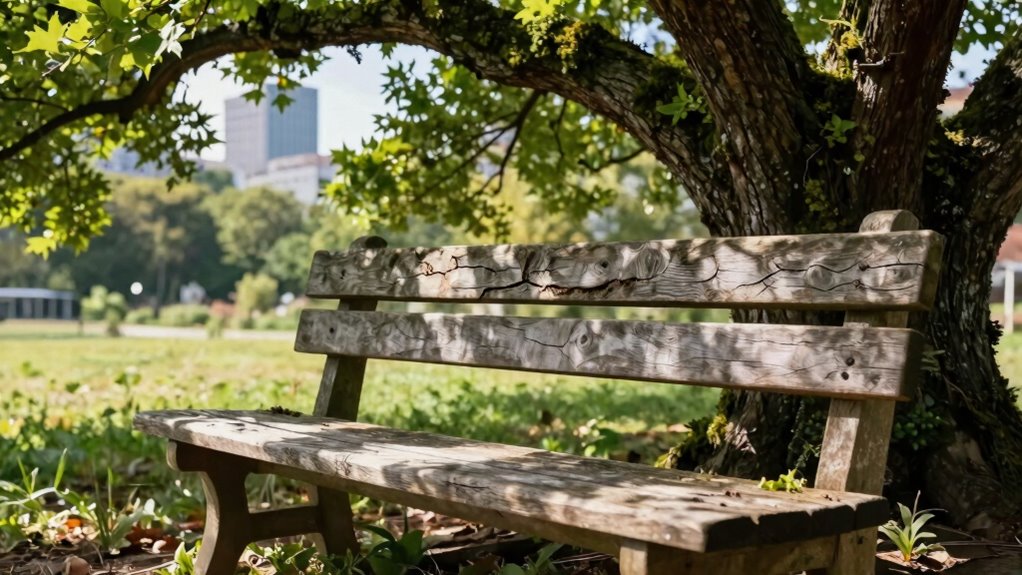
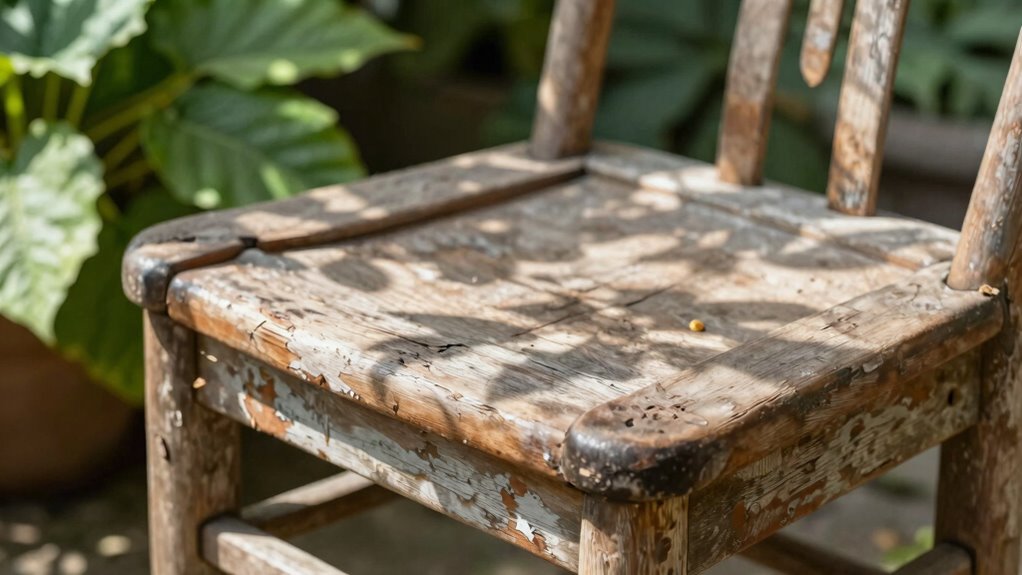
Have you ever considered how the durability of a product impacts its environmental footprint? When a product is built to last, it directly influences resource consumption and waste generation. Material longevity becomes a key factor here; the longer a product endures, the fewer replacements are needed. Material longevity reduces the demand for new raw materials, lowering extraction impacts and conserving energy. Durable design minimizes the cycle of manufacturing, transportation, and disposal, which are significant contributors to pollution and greenhouse gas emissions. So, investing in products with high material longevity isn’t just about quality—it’s a strategic move toward sustainability. Additionally, durable design often promotes resource efficiency, encouraging smarter use of materials throughout a product’s lifecycle. Your consumer behavior plays a crucial role in this equation. When you prioritize durable products, you send a clear message to manufacturers: longevity matters. This shift can influence companies to adopt more sustainable practices, such as using higher-quality materials or designing for easier repairability. As consumers increasingly value sustainability, brands recognize that durability can be a competitive advantage. Your choices can promote a market shift away from planned obsolescence and disposable culture toward products designed to last. Moreover, durable design encourages a mindset of responsible consumption. Instead of frequently replacing items, you learn to appreciate quality over quantity. This approach reduces clutter and minimizes the environmental impact of waste disposal. When products are built to withstand wear and tear, you’re less likely to throw them away prematurely, which cuts down on landfill accumulation and environmental contamination. It also fosters a culture of repair and reuse, extending the life cycle of goods and reducing the need for new production. In addition, durable design often involves better craftsmanship and higher standards in manufacturing. This focus on quality not only benefits the environment but also enhances user experience and satisfaction. You get a product that performs reliably over time, saving you money and hassle in the long run. As your consumer behavior shifts toward valuing durability, it encourages companies to innovate and prioritize sustainable materials and manufacturing methods. The ripple effect can lead to a more circular economy, where products are designed for longevity, reuse, and eventual recycling. In essence, embracing durable design is a powerful sustainability strategy that aligns your purchasing habits with environmental goals. Your choices influence manufacturing practices, resource use, and waste management. By valuing material longevity and making informed decisions, you help create a market that prizes sustainability, ultimately reducing the environmental footprint of the products you use every day.
durable eco-friendly water bottles
As an affiliate, we earn on qualifying purchases.
As an affiliate, we earn on qualifying purchases.
Frequently Asked Questions
How Does Durable Design Impact Product Lifecycle Costs?
Durable design considerably impacts your product lifecycle costs by reducing both initial investments and ongoing expenses. With durable materials and construction, you experience lower maintenance costs over time, as products last longer and need fewer repairs. This approach also helps cut costs associated with replacements, downtime, and waste management. Ultimately, investing in durability ensures you save money while promoting sustainability, making your products more cost-effective and environmentally responsible in the long run.
Can Durable Design Be Applied to Digital or Software Products?
Yes, durable design can be applied to digital and software products by focusing on digital resilience and software longevity. You can create systems that withstand technological changes and extend their usefulness over time. By designing software that’s easily maintainable, adaptable, and secure, you guarantee it remains relevant longer. This approach reduces waste, minimizes updates, and promotes sustainability, making your digital products more sustainable and resilient in the long run.
What Industries Benefit Most From Durable Design Strategies?
Think of industries like automotive, furniture, and electronics as gardens that flourish with durable design strategies. You benefit from material innovation and manufacturing efficiency, making products last longer and reducing waste. These industries see increased customer loyalty and lower lifecycle costs. By adopting durable design, you foster sustainability while optimizing resources, turning your business into a resilient ecosystem where quality and longevity become the roots of success.
How Does Durability Influence Consumer Perception and Brand Loyalty?
Durability boosts your consumer trust and enhances your brand reputation. When customers see your products last longer, they feel confident in their purchase, leading to increased loyalty. You demonstrate that you value quality and sustainability, which resonates positively with your audience. This perception encourages repeat business and word-of-mouth referrals, strengthening your brand’s position in the market. Ultimately, durability creates a cycle of trust and reputation that benefits your long-term success.
Are There Any Trade-Offs Between Durability and Innovation?
Trade-offs between durability and innovation can exist, but they’re not insurmountable. For example, a company might face innovation barriers when designing a product with ultra-durable materials that are costly or difficult to modify. This can slow down new features or aesthetic updates, creating tension between long-lasting quality and cutting-edge design. Yet, smart material choices and flexible manufacturing can minimize these trade-offs, allowing you to innovate without sacrificing durability.
Conclusion
Remember, “A stitch in time saves nine.” By embracing durable design, you’re not just creating long-lasting products—you’re making a smart move toward sustainability. When you prioritize quality and longevity, you reduce waste, save resources, and support a healthier planet. It’s a win-win situation that benefits everyone. So, next time you design or choose a product, think about durability—because investing in the long run is the true mark of sustainable practice.
Fall yard work Picks
leaf blowers
As an affiliate, we earn on qualifying purchases.