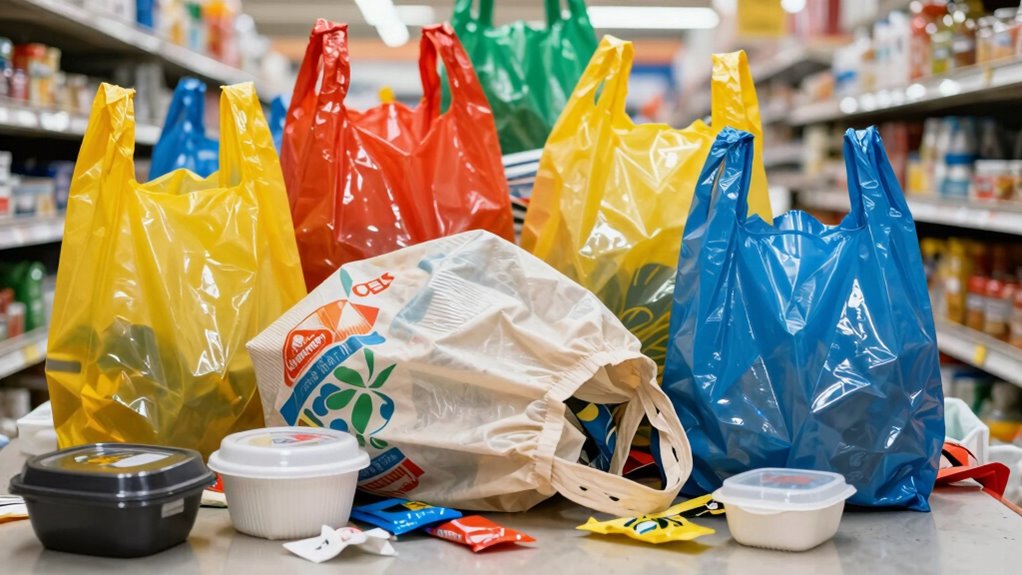

Relying on cheap disposables from shops might save you money now, but it secretly harms the environment. These low-quality plastics are hard to recycle, often break easily, and turn into microplastics that pollute ecosystems and enter food chains. Over time, they contribute to overflowing landfills and worsen pollution, which affects wildlife and human health. If you keep using disposables this way, you might not see the full impact—stick around to uncover the hidden costs.
Open a free Amazon Business account
Business pricing, bulk buying and tax-exempt orders.
As an affiliate, we earn on qualifying purchases.
Key Takeaways
- Relying on cheap disposables encourages a culture of single-use items, increasing waste and recycling challenges.
- Low-quality plastics from disposables often cannot be effectively recycled, leading to environmental pollution.
- Continuous purchase of disposables depletes natural resources and contributes to microplastic pollution in ecosystems.
- Using disposables discourages investment in sustainable, reusable alternatives, hindering long-term environmental solutions.
- The hidden cost of disposables is the long-term environmental and health damage caused by plastic pollution.
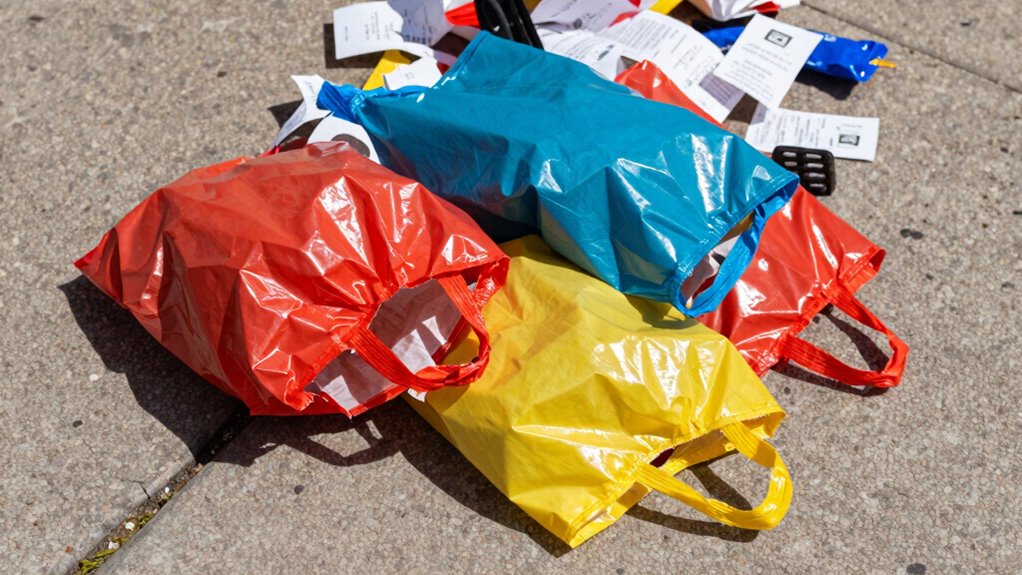
Many of us fall into the trap of buying cheap disposable items from shops, believing we’re saving money and reducing effort. It feels convenient to pick up single-use cups, plates, or packaging, but these choices come with unseen costs. Over time, these cheap disposables contribute considerably to recycling challenges and plastic pollution, creating a bigger problem than most realize. Every time you toss out a disposable cup or wrapper, it may seem harmless, but it adds to the mounting waste that pollutes landfills and oceans. Despite the promise of recyclability, many of these items aren’t recycled properly because they’re contaminated, broken, or made from mixed materials that are difficult to process. This leads to a cycle where recyclable waste ends up in landfills, wasting resources and exacerbating environmental damage. Additionally, the production of these plastics often involves environmentally damaging processes that deplete natural resources.
The real issue lies in the fact that cheap disposables are often made from low-quality plastics that aren’t designed for recycling or reuse. These plastics break down into microplastics over time, which then infiltrate wildlife, water sources, and even the food chain. This persistent plastic pollution damages ecosystems and threatens the health of both animals and humans. Furthermore, the production of these cheap plastics consumes vast amounts of fossil fuels, fueling climate change. While the upfront cost seems minimal, the long-term environmental costs are staggering. Your small, everyday purchases have a ripple effect that worsens waste management challenges and accelerates plastic pollution worldwide. Sustainable materials are increasingly being developed as alternatives to mitigate these impacts, offering innovative solutions for a more sustainable future. Incorporating biodegradable plastics can help reduce the environmental footprint of disposable products.
It’s easy to think that by using disposable items, you’re saving effort and money, but the hidden costs tell a different story. The more disposable items you use, the more waste you generate, and the harder it becomes to manage recycling efforts effectively. Many recycling systems are overwhelmed by the volume of low-quality plastics that are difficult to process, leading to increased landfill overflow and environmental contamination. To address this, more circular economy practices are being promoted to reduce waste and encourage reuse. This cycle also discourages investment in sustainable alternatives, keeping society locked into a throwaway mentality. If you want to make a difference, being mindful of the disposables you choose is essential. Opt for reusable options whenever possible, as they reduce waste, lessen recycling challenges, and combat plastic pollution. Recognizing the importance of biodiversity in maintaining healthy ecosystems can further motivate us to reduce our reliance on disposable plastics and support sustainable living practices.
reusable eco-friendly coffee cups
As an affiliate, we earn on qualifying purchases.
As an affiliate, we earn on qualifying purchases.
Frequently Asked Questions
How Do Disposable Shop Habits Impact Local Economies?
Your disposable shop habits can harm local economies by reducing demand for locally made products, which impacts small businesses and jobs. When you rely on cheap disposables, recycling programs struggle to manage waste effectively, and manufacturing practices may prioritize cheaper, less sustainable methods. This cycle discourages investment in sustainable industries, weakening the economic resilience of your community and limiting opportunities for local growth and innovation.
Are There Cultural Differences in Disposable Shopping Behaviors?
You’ll notice cultural differences in disposable shopping behaviors, like how in Japan, strong cultural norms emphasize minimal waste, leading to more careful consumer habits. Conversely, in some Western countries, convenience often outweighs sustainability, encouraging frequent disposable purchases. These variations shape how communities view disposable items, with cultural norms guiding responsible use or fostering habits of excess. Understanding these differences helps you see how consumer habits reflect deeper societal values.
What Are the Long-Term Health Effects of Disposable Products?
You might face long-term health risks from disposable products due to chemical exposure. Many plastics and packaging materials contain chemicals like BPA or phthalates, which can seep into food or skin, potentially disrupting hormones or increasing cancer risk. Repeated use or improper disposal amplifies these concerns. To protect your health, limit your use of disposable items and opt for reusable, non-toxic alternatives whenever possible.
How Can Consumers Identify Truly Eco-Friendly Disposable Items?
Like a modern-day Sherlock, you can spot eco-friendly disposable items by checking for credible eco labels, which act as your clues. Trust brands that prioritize transparency and certifications like FSC or compostability labels. Remember, reusable alternatives often outshine disposables in sustainability. By being vigilant and educated, you guarantee your choices support the planet, much like heroes of old who sought truth and justice.
What Policies Can Incentivize Sustainable Shopping Choices?
You can push for policies that promote reusable packaging and incentive programs, encouraging sustainable shopping choices. Advocate for government subsidies or tax breaks for businesses that adopt eco-friendly packaging solutions. Support incentives like discounts or rewards for consumers who choose reusable items. When these policies are in place, they make sustainable options more accessible and attractive, ultimately guiding you and others toward more environmentally responsible shopping habits.
Conclusion
If you think cheap disposables are harmless, think again. Imagine tossing a plastic cup that takes hundreds of years to decompose, filling landfills and polluting oceans. By choosing reusable options, you save money and help the planet—it’s a simple switch with a big impact. So next time you’re tempted by convenience, picture your reusable mug or cloth bag instead. Small changes add up; your choices shape a more sustainable future.
Fall Picks
fall essentials
As an affiliate, we earn on qualifying purchases.