Dust collector horsepower gives you only a glimpse of your system’s effectiveness. While high horsepower boosts performance, it doesn’t guarantee efficient dust capture. Airflow dynamics, motor types, and the filtration system all play vital roles in your collector’s performance. A powerful motor can struggle if airflow is poor, and mismatched components can lead to disappointing results. By understanding these factors, you can enhance your dust management setup. Learn how to optimize all aspects for the best results.

Get tools and workshop supplies delivered free — and shop member deals
- Fast, free delivery on millions of items
- Access to Prime Big Deal Days deals on October 6–7
- Prime Video, Amazon Music and more included
Key Takeaways
- Horsepower alone does not guarantee effective dust capture; airflow dynamics are equally crucial for optimal performance.
- High horsepower can be ineffective if the motor type is mismatched with the filtration system.
- A powerful motor requires a well-designed filtration system to capture smaller particles efficiently.
- Regular maintenance and clean filters are essential to maintain airflow efficiency and collector performance.
- Noise levels should be balanced with horsepower to create a conducive work environment while ensuring effective dust collection.
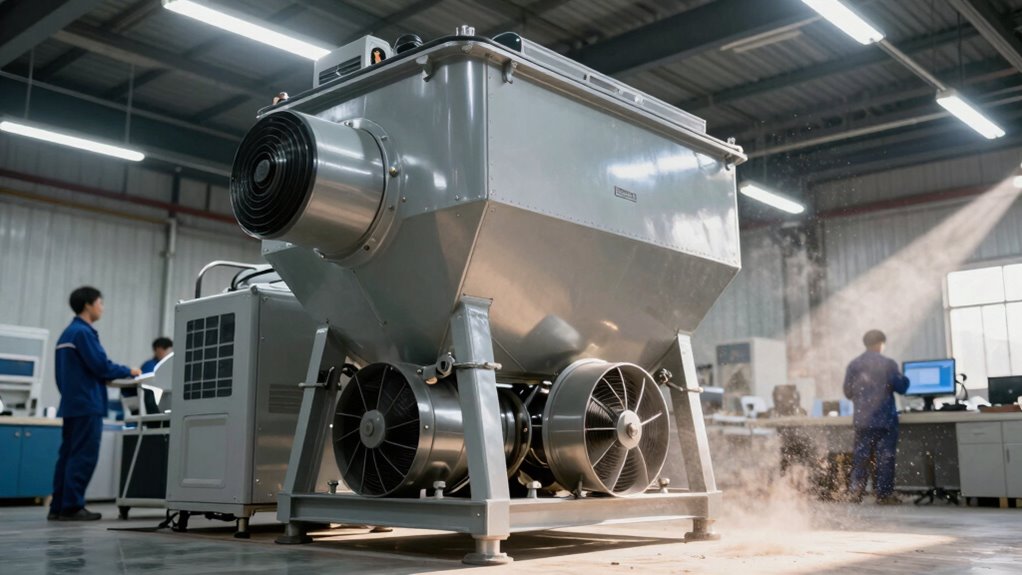
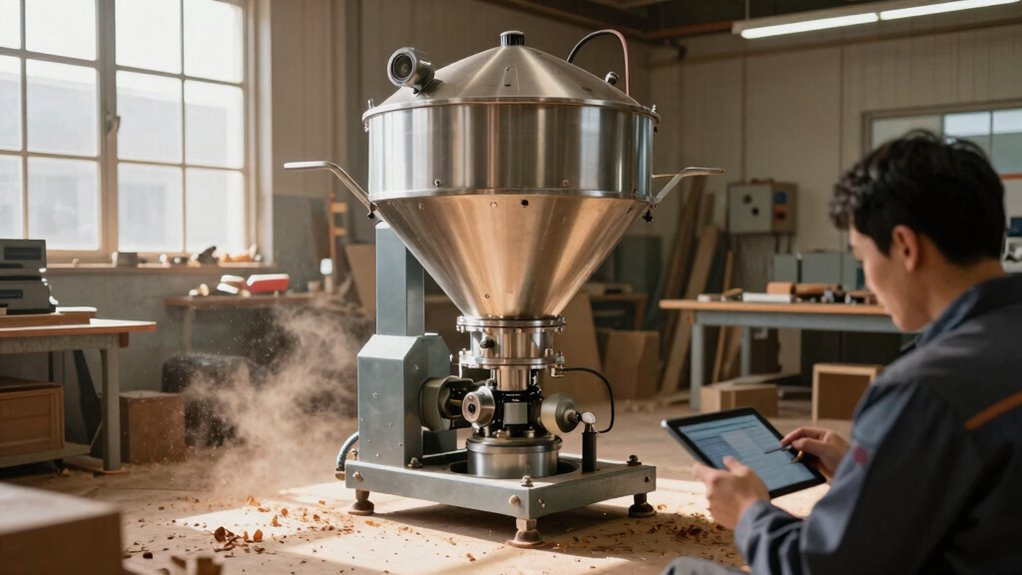
When it comes to choosing a dust collector, horsepower is a key factor that can make or break your shop’s efficiency. It’s easy to get caught up in the horsepower numbers, but they tell only part of the story. While a powerful motor can indeed enhance your collector’s performance, you need to take into account other elements that contribute to overall collector efficiency. Understanding airflow dynamics is essential; if the airflow is inefficient, even a high-horsepower motor won’t capture dust effectively.
Different motor types can greatly influence how well your dust collector operates. For example, a direct-drive motor might offer better reliability and efficiency compared to a belt-driven one. However, if the motor is mismatched with the filtration system, you could end up with poor performance. The filtration system itself plays an important role in how well the dust collector functions. A high-efficiency filter can capture smaller particles, but if the airflow dynamics are off, the dust collector won’t perform as intended.
Different motor types, like direct-drive versus belt-driven, significantly impact dust collector performance, especially when matched with an efficient filtration system.
You’ve also got to take maintenance practices into account. A powerful motor won’t do you any good if the dust collector isn’t properly maintained. Regular checks and cleanings of the filtration system are essential to guarantee peak performance. Neglecting maintenance can lead to clogged filters, which restrict airflow and reduce collector efficiency, regardless of horsepower.
Noise levels are another important aspect you shouldn’t overlook. While a high-horsepower motor might seem appealing, the noise it generates can be a considerable drawback. You want a dust collector that performs well but doesn’t turn your workspace into a noisy environment. Look for models that balance power and sound levels, guaranteeing a comfortable work atmosphere.
dust collector airflow optimization
As an affiliate, we earn on qualifying purchases.
As an affiliate, we earn on qualifying purchases.
Frequently Asked Questions
How Often Should I Replace My Dust Collector Filters?
You should replace your dust collector filters every 6 to 12 months, depending on usage. Regularly checking the filter lifespan helps maintain filter efficiency, ensuring your system runs smoothly. If you notice reduced suction or increased dust release, it’s time for a replacement. Keeping an eye on your filters not only improves air quality but also prolongs your dust collector’s life, saving you money in the long run.
What Maintenance Is Required for Dust Collectors?
Think of your dust collector as a trusty steed, needing care to gallop smoothly. Regular maintenance is essential; you should clean or replace filters frequently to guarantee peak airflow and prevent clogging. Keep an eye on the motor efficiency, too—if it’s struggling, it may need a tune-up or lubrication. By staying proactive, you’ll keep your dust collector running like a well-oiled machine, providing a cleaner workspace for your projects.
How Do I Determine the Right Duct Size?
To determine the right duct size, you need to evaluate both duct diameter and air velocity. Start by calculating the required airflow in cubic feet per minute (CFM) for your dust collector. Then, use a duct sizing chart or calculator to find the appropriate duct diameter that maintains ideal air velocity, typically between 3,500 and 5,000 feet per minute. Proper sizing guarantees efficient dust removal and reduces the risk of clogs or pressure drop.
What Materials Can a Dust Collector Handle?
A dust collector can handle various materials, including wood dust, metal shavings, and plastic particles. To guarantee peak dust collection efficiency, you need to take into account material compatibility with your collector’s design. Some materials may require special filters or specific airflow rates. Always check the manufacturer’s specifications to confirm which materials your dust collector can effectively manage, guaranteeing you get the best performance for your specific application.
Can I Use a Dust Collector for Multiple Machines?
Yes, you can use a dust collector for multiple machines, but it depends on the system’s design and your needs. To maximize dust collector efficiency, guarantee it has enough airflow and appropriate ductwork for each machine. If you’re connecting several machines, consider using blast gates to control airflow and maintain performance. Always check compatibility to prevent clogs or reduced suction, keeping your workspace clean and safe.
Conclusion
When it comes to dust collectors, horsepower alone doesn’t paint the full picture. While it’s tempting to think more horsepower equals better performance, factors like airflow, filtration efficiency, and system design are essential too. Think of it like a car: a powerful engine is great, but without good aerodynamics and brakes, it won’t perform well. So, before you invest, dig deeper into your dust collector’s overall capabilities to guarantee it meets your specific needs.
Halloween Picks
halloween
As an affiliate, we earn on qualifying purchases.