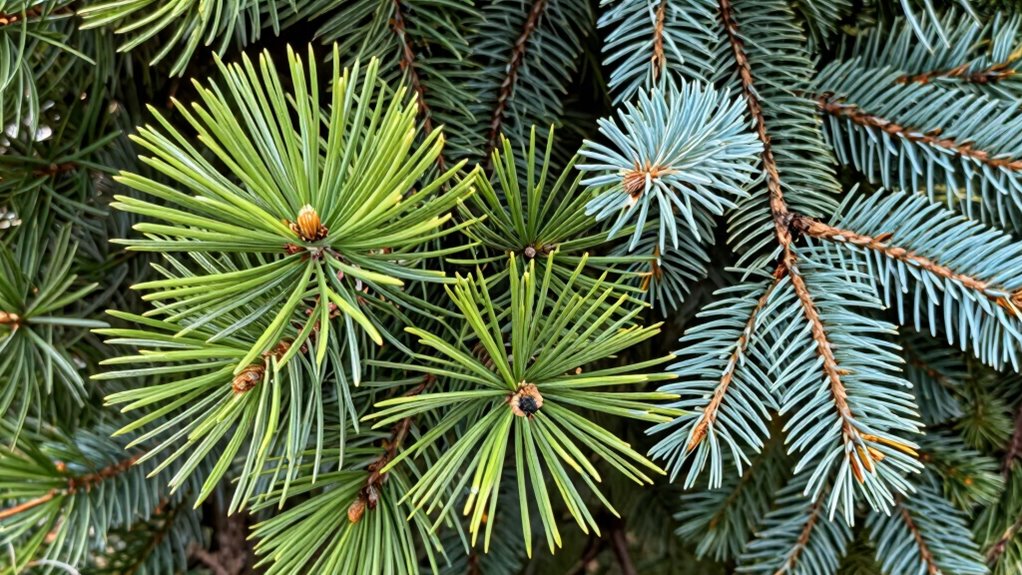

To tell pine apart from fir without guessing, look at their bark and needles. Pines have rough, deeply furrowed, scaly bark, while firs tend to have smoother, more uniform bark with shallow ridges. Also, check the needles: pines have long, clustered needles, whereas firs have flat, single needles attached directly to the branch. These consistent features make identification easier—keep exploring to discover even more tips to tell them apart.

Get tools and workshop supplies delivered free — and shop member deals
- Fast, free delivery on millions of items
- Access to Prime Big Deal Days deals on October 6–7
- Prime Video, Amazon Music and more included
Key Takeaways
- Examine bark texture: pines have deeply furrowed, scaly bark; fir bark is smoother or less ridged.
- Feel the bark: pine bark is rough and ridged; fir bark feels smoother or less deeply furrowed.
- Observe needle arrangement: pines have clusters (bundles) of needles; firs have single, flat needles attached directly to branches.
- Check bark consistency across ages: pine bark remains deeply furrowed, while fir bark stays relatively smooth as it matures.
- Use combined features: identify species more accurately by considering both bark texture and needle arrangement.
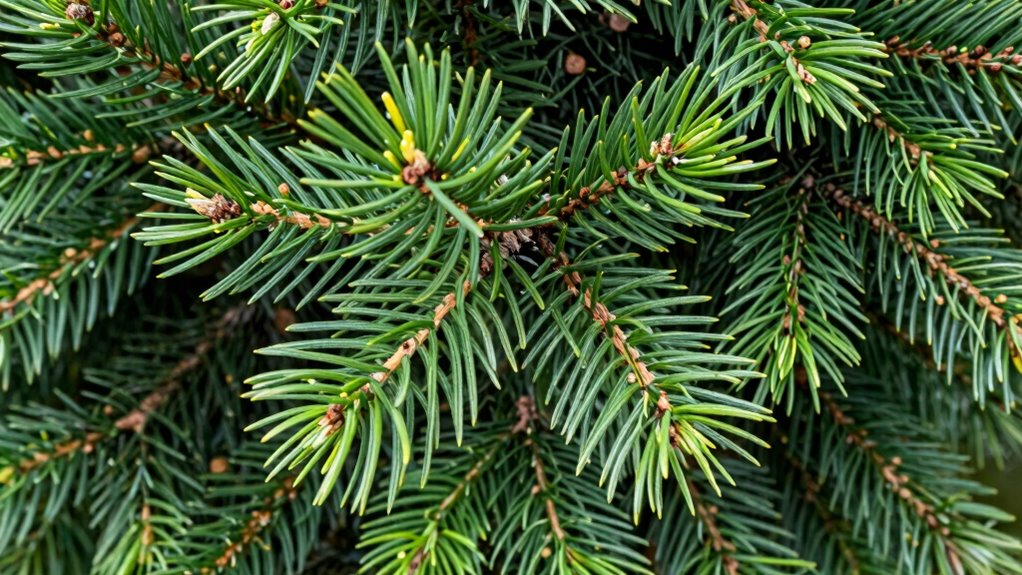
Ever wonder how to distinguish a pine tree from a fir? It’s a common question, especially when you’re out hiking or looking to identify trees for landscaping. The good news is, you don’t have to rely on guesswork. You can learn to tell them apart by paying close attention to details like tree bark textures and needle arrangement patterns. The Needle attachment patterns are especially useful because they are consistent features that help differentiate the two species. Start with the bark. Pines usually have rough, thick, and often deeply furrowed bark. It can be scaly or ridged, giving the trunk a rugged appearance. Fir bark, on the other hand, tends to be smoother or has a more uniform texture, especially in younger trees. As firs mature, their bark can develop shallow ridges, but it generally remains less furrowed than pine bark. The difference in bark texture is a reliable clue because it stays consistent as the trees grow. When you run your hand along the trunk, notice whether it feels deeply ridged or relatively smooth. This bark texture provides a tactile way to distinguish these trees in the field. Additionally, observing needle arrangement patterns can further aid in accurate identification, as they are characteristic of each species. Recognizing these distinctive features can help you identify the trees quickly and accurately. Being familiar with tree identification techniques can also enhance your ability to tell these trees apart efficiently.
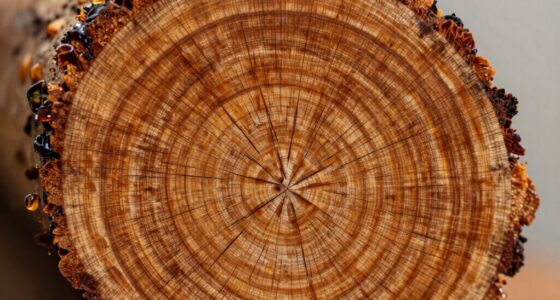
pine tree bark texture identification
As an affiliate, we earn on qualifying purchases.
As an affiliate, we earn on qualifying purchases.
Frequently Asked Questions
Can Pine and Fir Trees Be Crossbred?
Pine and fir trees generally can’t be crossbred due to their genetic incompatibility. Tree hybridization relies on genetic compatibility, and these two species belong to different genera, making natural or artificial hybridization unlikely. You might find some rare exceptions in controlled breeding experiments, but typically, pines and firs remain separate species. So, if you’re hoping to create a hybrid, it’s unlikely without advanced genetic engineering techniques.
Do Pine and Fir Trees Require Different Soil Types?
Pine and fir trees do require different soil types for ideal growth. Pines thrive in well-drained, slightly acidic soil with good root stability, while firs prefer more moist, acidic soils that retain moisture well. If you’re planting or caring for these trees, check soil acidity levels and drainage. Ensuring the right conditions promotes healthy root systems and overall tree health, so tailor your soil management accordingly.
Are Pine and Fir Trees Suitable for the Same Climate Zones?
Yes, pine and fir trees are suitable for similar climate zones, but their adaptations differ. You can identify pine needles easily, which are usually longer and grouped in bundles, unlike fir’s single, flat needles. Fir bark has a smoother texture with resin blisters, whereas pine bark tends to be more rugged and flaky. Knowing these differences helps you determine their climate suitability and proper identification without guessing.
How Long Does It Take for Pine and Fir Trees to Mature?
Pine and fir trees reach maturity at different rates. Pine trees typically grow faster, taking about 15 to 20 years to mature, while firs may take 20 to 30 years. Tree growth rates influence your timeline, and understanding maturity timelines helps you plan your landscape or timber harvest. You’ll see faster results with pines, but firs offer longer-lasting, stable growth, making patience a key part of their development.
Can Pests Distinguish Between Pine and Fir Trees?
Pests can often distinguish between pine and fir trees because of differences in bark, needles, and resin production. For effective pest identification, you need to carefully observe these traits. Once identified, you can implement targeted pest management strategies, such as specific insecticides or biological controls, tailored to each tree type. This approach helps protect your trees and promotes healthier growth, regardless of whether they’re pines or firs.
Conclusion
Now that you know how to distinguish pine from fir, you’re like a seasoned forest guide. Remember, pine needles cluster in bundles, while fir’s are single and soft. The cones also tell a story—pine cones are woody and open, whereas fir cones stay intact on the tree. With these tips, you can confidently identify these trees without guessing, making your woodland adventures as clear as a sunny day in the woods.
Fall yard work Picks
leaf blowers
As an affiliate, we earn on qualifying purchases.