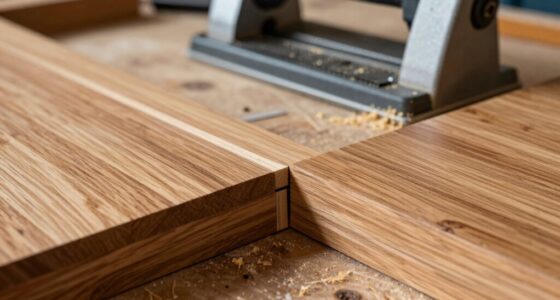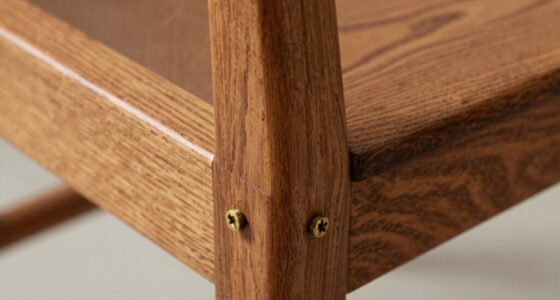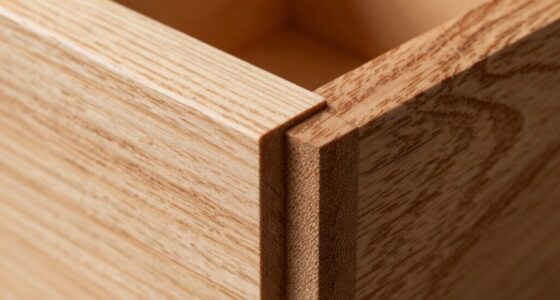
Box joint and dovetail jigs matter even in modern shops because they provide the precision and craftsmanship that automated machines can’t match. You’ll appreciate how these jigs create strong, visually appealing joints that enhance your projects’ quality. Using them boosts your woodworking skills, ensuring tight fits and durability. Plus, they foster a deeper connection to the craft. Discovering their unique benefits can inspire your next project and elevate your craftsmanship to new heights.

Get business pricing on tools and workshop supplies
- Business-only prices and quantity discounts
- Tax-exempt purchasing
- Multiple users, one account, clear invoices
Key Takeaways
- Box joint and dovetail jigs ensure precise, consistent cuts for strong, durable joints that enhance the quality of modern woodworking projects.
- These jigs promote traditional craftsmanship, providing a hands-on approach that fosters greater appreciation for the art of woodworking.
- The interlocking designs of box and dovetail joints not only improve structural integrity but also add aesthetic value to furniture and cabinetry.
- Mastery of jigs enhances woodworking skills, boosting confidence and expanding design possibilities for both beginners and seasoned professionals.
- Using jigs complements modern machinery by combining speed with the finesse and quality of handcrafted techniques, yielding superior results.

When you’re looking to elevate your woodworking projects, understanding box joint and dovetail jigs can make all the difference. These jigs aren’t just tools; they’re essential for achieving high-quality results that stand the test of time. You might wonder why they matter in modern shops filled with advanced machinery. The truth is, even in this era of digital precision, the traditional craftsmanship that box and dovetail jigs offer still holds significant value.
Using a box joint jig allows you to create interlocking finger joints that enhance joint strength and provide a visually appealing design. This joint not only looks great but also distributes stress evenly across the connection, making it perfect for drawers or boxes. When you utilize jig precision, you guarantee that each cut is consistent, leading to a tighter fit. A well-fitted joint means less chance of failure down the road, which can save you time and resources. Additionally, mastering these joints can improve your overall craftsmanship skills.
Using a box joint jig ensures strong, visually appealing joints that enhance durability and save time on woodworking projects.
Dovetail jigs, on the other hand, are revered for their aesthetic appeal and structural integrity. The interlocking nature of dovetails creates a remarkably strong bond, ideal for cabinetry and fine furniture. When you master this technique, you’re not just adding strength; you’re elevating the overall quality of your work. The precision these jigs offer means you can replicate designs with ease, maintaining consistency across multiple projects. This is especially valuable when you’re working on commissioned pieces or trying to match existing furniture. Developing expertise with traditional joinery techniques can also give you a competitive edge in custom woodworking.
In a modern shop, you might be tempted to rely solely on automated machinery for your joints. While machines can provide speed, they often lack the finesse that hand-tuned jigs bring. When you use box and dovetail jigs, you’re engaging in a hands-on process that connects you to your craft. This connection translates into higher-quality work and a deeper appreciation for the art of woodworking. Additionally, understanding traditional joinery techniques can help you develop a broader skill set that complements modern technology.
Investing time in learning how to use these jigs effectively is well worth it. The satisfaction of creating strong, beautiful joints will enhance your skills and boost your confidence as a woodworker. Plus, you’ll find that understanding these techniques opens up a world of design possibilities. So, whether you’re a seasoned pro or just starting, don’t overlook the value of box joint and dovetail jigs in your woodworking journey. They’re tools that can truly make a difference in the quality and longevity of your projects.
As an affiliate, we earn on qualifying purchases.
Frequently Asked Questions
What Types of Wood Are Best for Box Joints and Dovetails?
For box joints and dovetails, hardwood choices like oak, maple, and cherry work great due to their strength and durability. Softwood options, like pine, are also suitable, especially for less demanding projects. If you’re considering plywood, verify it’s high-quality and void-free to maintain joint integrity. Don’t shy away from exotic woods, either; they can add unique aesthetics but may require more care during cutting and assembly. Choose based on your project’s needs!
How Do I Maintain My Jigs for Longevity?
Treat your jigs like cherished tools in a craftsman’s toolbox; they deserve the best care! For longevity, store your jigs in a cool, dry place to prevent warping. Regularly check for wear and tear, and clean them after each use to keep them free from resin and dust. Lubricate moving parts lightly to guarantee smooth operation. Following these maintenance tips will keep your jigs performing beautifully for years to come!
Can I Use These Jigs With a Router?
Yes, you can use box joint and dovetail jigs with a router. In fact, router techniques can enhance the precision and speed of your joints. Make sure your jigs are compatible with your router size and type. Adjust the router bit height and speed according to the material you’re working with for best results. With the right setup, you’ll achieve clean, professional-looking joints that elevate your woodworking projects.
What Are Common Mistakes When Using Box and Dovetail Jigs?
Around 70% of woodworking errors stem from jig alignment issues. When using box and dovetail jigs, common mistakes often include improper setup and misalignment. You might forget to double-check measurements or fail to secure the workpiece correctly. These setup mistakes can lead to uneven joints or wasted materials. Always verify your jigs are accurately aligned and properly adjusted before cutting. Taking a little extra time can save you headaches down the line!
Are There Alternative Methods for Creating Joints Without Jigs?
Yes, there are alternative methods for creating joints without jigs. You can hand cut joints, which not only enhances your craftsmanship but also allows for greater joint accuracy. Using a chisel and hand saw, you can achieve precise fits that add character to your projects. While it requires practice, mastering hand-cut techniques can be rewarding. Plus, you’ll develop a deeper understanding of joint construction, making your woodworking skills even stronger.
Conclusion
In a world of automated precision and fast production, box joint and dovetail jigs remind us of craftsmanship and connection. They bring beauty to our projects, create strong bonds in our work, and preserve the art of woodworking. Embracing these jigs means embracing tradition, enhancing creativity, and elevating our skills. So, whether you’re a hobbyist or a pro, let these timeless tools inspire your journey, ignite your passion, and deepen your appreciation for the craft.
Halloween Picks
halloween
As an affiliate, we earn on qualifying purchases.