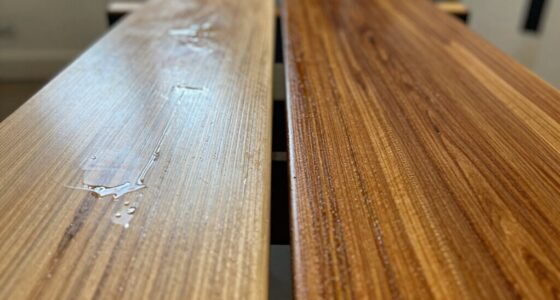
To guarantee topcoat compatibility, you need to match the type of topcoat with your surface layers, like oil-based over oil-based or water-based over latex paints. Using the wrong combination can cause poor adhesion, peeling, or cracking. Choosing the right brush also supports a smooth finish. Pay attention to drying and curing times to avoid issues later. Keep this chart handy to make confident choices and get professional results with less guesswork.

Get tools and workshop supplies delivered free — and shop member deals
- Fast, free delivery on millions of items
- Access to Prime Big Deal Days deals on October 6–7
- Prime Video, Amazon Music and more included
Key Takeaways
- Match topcoat type (oil-based or water-based) with compatible primers and underlying paints for optimal adhesion.
- Use testing patches to verify compatibility between different layers before full application.
- Check manufacturer guidelines for specific compatibility charts and recommended layer sequences.
- Ensure proper surface preparation and drying times to prevent issues like peeling or cracking.
- Select appropriate brushes (natural or synthetic) based on the topcoat’s formulation for a smooth, professional finish.
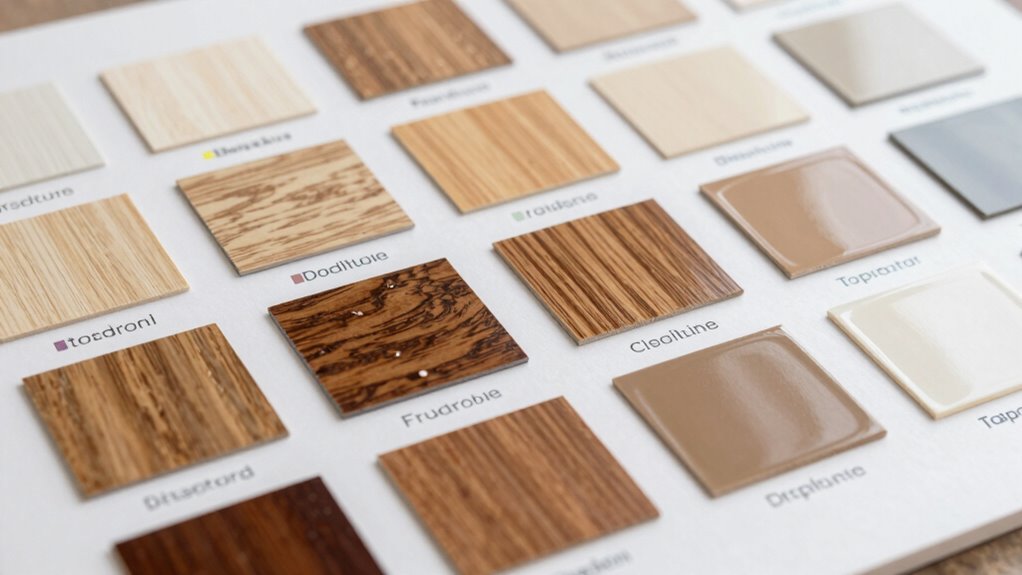
Are you unsure if your topcoat will work with your existing paint or primer? It’s a common concern for DIYers aiming for a professional finish. The key to success lies in understanding how different topcoats interact with various surface layers, and that includes paying attention to brush types and drying times. Choosing the right brush is essential because it influences the application quality and the final look. Synthetic brushes work well with water-based paints and primers, providing smooth strokes and minimizing streaks. Natural bristle brushes are better suited for oil-based finishes, offering durability and a fine finish. Using the wrong brush type can lead to uneven coverage, brush marks, or even compromised adhesion.
Drying times also play a vital role in topcoat compatibility. Different products have varied curing periods, and rushing the process can cause issues like peeling, cracking, or cloudiness. Before applying a new layer, check the manufacturer’s recommended drying time, which can range from a few hours to several days. If you apply a topcoat too soon, it might not adhere properly, especially if the underlying layer isn’t fully cured. Conversely, waiting too long can lead to dust settling on the surface, making a recoat difficult. To guarantee adhesion and finish, plan your project around the drying times, and avoid rushing into the next coat. Patience here saves you from fixing mistakes later.
In addition to brush types and drying times, consider the compatibility of your topcoat with the primer or paint underneath. Some topcoats are formulated specifically for certain primers or paints; for example, oil-based topcoats work better over oil-based primers, while water-based options are compatible with latex paints. If you mismatch these, you risk poor adhesion, peeling, or uneven sheen. Always read the product labels and manufacturer instructions carefully. When in doubt, test a small area first to observe how the layers interact.
As an affiliate, we earn on qualifying purchases.
Frequently Asked Questions
How Do I Test Topcoat Compatibility Before Application?
To test topcoat compatibility, start with a small adhesion check on a hidden area of your project. Apply a thin layer of the topcoat over a small section of the existing finish and let it cure for 24 hours. If the topcoat adheres well without peeling or lifting, it’s compatible. If not, consider trying a different product or perform a more thorough compatibility test before proceeding with the full application.
Can I Mix Different Brands of Topcoats Safely?
Mixing different brands of topcoats is like blending paints from different palettes—it’s risky. You risk breaking the paint’s natural harmony, affecting finish and durability. To guarantee success, stick with brand consistency, matching formulas and application techniques. If you must mix, test on a small area first, observing how they blend and dry. This way, you’re less likely to create a mismatched, uneven finish.
What Environmental Conditions Affect Topcoat Compatibility?
Environmental conditions like humidity levels and surface temperature critically influence topcoat compatibility. High humidity can cause moisture to get trapped, leading to poor adhesion or peeling. If the surface temperature is too cold or too hot, the topcoat may not cure properly, resulting in cracks or uneven finish. Always check the manufacturer’s recommendations and guarantee conditions are ideal before applying your topcoat to achieve the best results.
How Long Should I Wait Between Applying Different Topcoats?
Think of applying topcoats like baking a layered cake—you need to wait for each layer to dry completely. Usually, you should wait for the recommended drying times between coats, typically 24 hours, and guarantee the curing duration is met before adding another layer. Rushing this process risks imperfections or peeling, so patience ensures a smooth finish and long-lasting results. Always follow the manufacturer’s guidelines for best results.
Is There a Universal Topcoat Compatible With All Paints?
There’s no universal topcoat compatible with all paints, as compatibility depends on paint adhesion and finish sheen. You need to check if the topcoat is suitable for your specific paint type, whether it’s oil-based or water-based. Using an incompatible topcoat can cause peeling or uneven finish. Always test on a small area first, and match the sheen of your topcoat to your desired final look for the best results.
Conclusion
Understanding topcoat compatibility might seem simple, but it’s essential for a flawless finish. Think of the chart as your trusted map—guiding you through the complexities of paint interactions. When you follow it carefully, you avoid costly mistakes and achieve professional results. Trust the science behind it, and remember: the right topcoat, applied correctly, transforms your project from good to stunning. Stay informed, follow the chart, and enjoy your perfect, durable finish every time.
Halloween Picks
halloween
As an affiliate, we earn on qualifying purchases.