
A 12-inch blade isn’t automatically better for your miter saw. While larger blades can cut wider boards, they don’t guarantee cleaner or more accurate cuts. Bigger blades may produce more vibration and be harder to control, which can hurt cut quality. Instead, focus on the blade’s teeth design, sharpness, and the saw’s stability. Want to know how to choose the right blade for your projects? Keep exploring to find out.

Get business pricing on tools and workshop supplies
- Business-only prices and quantity discounts
- Tax-exempt purchasing
- Multiple users, one account, clear invoices
Key Takeaways
- Larger blades cut wider boards but do not guarantee cleaner or more precise cuts.
- Smaller or mid-sized blades often provide better finish quality and are easier to control.
- Blade quality, teeth design, and saw stability are more critical for cut accuracy than blade size.
- Heavier 12-inch blades can be cumbersome, reducing maneuverability and potentially affecting cut precision.
- Choosing the right blade size depends on your project needs; bigger isn’t always better for quality.
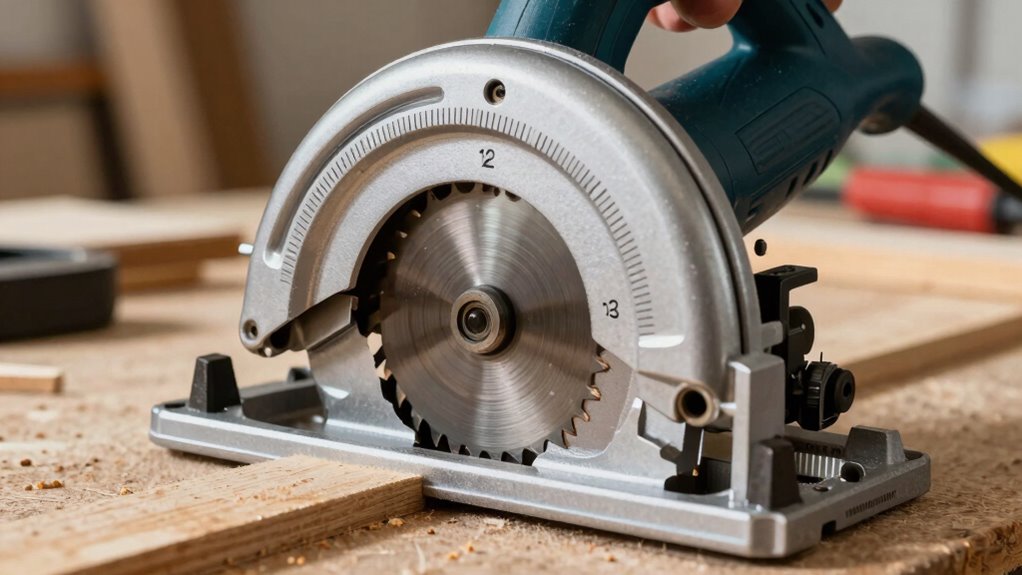
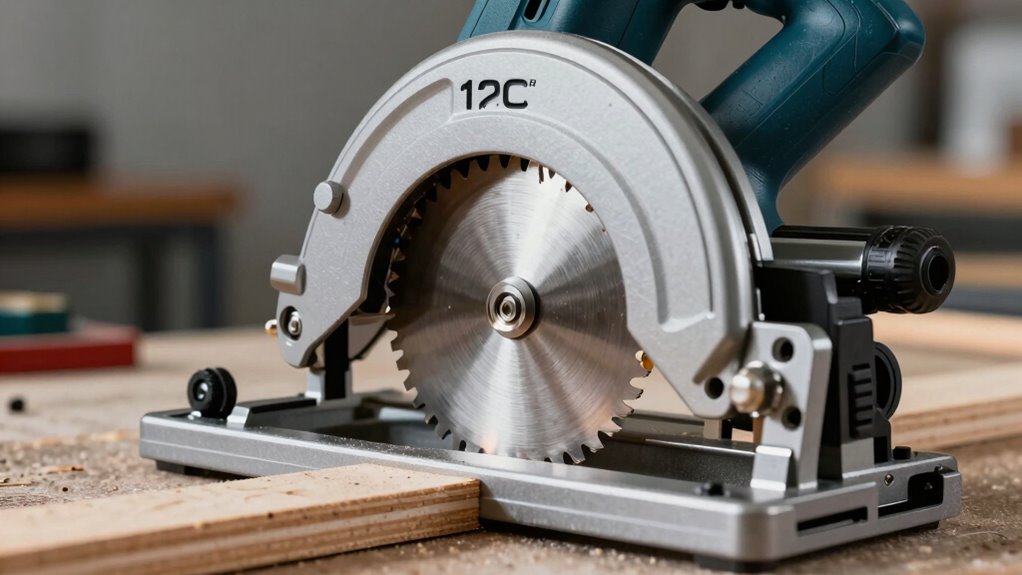
Many common beliefs about miter saws are actually myths that can lead to misunderstandings or improper use. One of the biggest misconceptions is that a larger blade size automatically means better results. Many assume that a 12-inch blade is always superior to smaller options, but that’s not necessarily true. Blade size does influence cut quality, but it’s just one piece of the puzzle. The truth is, bigger blades can cut wider boards, but they don’t guarantee cleaner or more precise cuts. In fact, larger blades often produce more vibration, which can compromise cut accuracy if the saw isn’t well-designed or properly stabilized.
Larger blades cut wider boards but don’t guarantee cleaner, more precise cuts.
When choosing a miter saw, it’s essential to contemplate the types of projects you’ll be tackling. For fine finish work or detailed cuts, a smaller or mid-sized blade—like an 8-inch or 10-inch—can deliver excellent cut quality. These blades tend to spin faster and generate less vibration, resulting in smoother, cleaner cuts. Conversely, a 12-inch blade might be more suitable for framing or rough carpentry where precision isn’t as critical.
Another misconception is that bigger blades always mean better cut quality. While they can handle larger materials, they don’t inherently produce a cleaner cut. Factors like blade teeth design, material, and saw stability play vital roles. A high-quality blade with the right tooth count and sharpness can outperform a larger, cheaper blade in terms of cut quality, regardless of size. This means you shouldn’t focus solely on blade size but also on choosing the right blade for your specific needs.
Additionally, larger blades can be heavier and more cumbersome, making the saw harder to handle and transport. This added weight can impact your ability to make precise cuts, especially if you’re working in tight spaces or need portability. Smaller blades, while limited in cut width, often provide better control and less fatigue during extended use, leading to higher cut quality in many applications. Moreover, selecting the appropriate blade size also involves considering tool ergonomics and how it affects your comfort and safety during operation.
best miter saw blades for fine finish work
As an affiliate, we earn on qualifying purchases.
As an affiliate, we earn on qualifying purchases.
Frequently Asked Questions
Can a 10-Inch Miter Saw Handle Larger Crown Moldings?
A 10-inch miter saw can handle larger crown moldings if you use the right crown molding techniques, but blade compatibility is key. While it may be more challenging, you can adjust the saw’s angles and use specialized jigs to cut larger moldings accurately. Just remember, a 12-inch blade often provides more clearance, making it easier for bigger projects, but a well-tuned 10-inch saw can still do the job effectively.
Is a 12-Inch Blade More Accurate Than Smaller Blades?
A 12-inch blade isn’t inherently more accurate than smaller blades. Blade accuracy depends on the saw’s quality, alignment, and user skill, not just size. Larger blades can cut deeper and handle bigger projects, but they don’t guarantee better cutting precision. When choosing a blade, focus on sharpness, quality, and proper setup to guarantee the best cutting accuracy, regardless of the blade’s size.
Do Larger Blades Require More Power From the Saw?
Yes, larger blades typically require more power from the saw. This increased power consumption is necessary to cut through thicker or denser materials effectively. As a result, a 12-inch blade often demands a more powerful motor, which can impact saw efficiency. When choosing your saw, consider the motor strength to guarantee it can handle the blade size without overworking, maintaining peak performance and safety.
Are 12-Inch Miter Saws More Expensive Than Smaller Ones?
You might find that 12-inch miter saws tend to carry a slightly higher price tag, but it’s worth considering your budget and project needs. The cost comparison shows that larger models often come with extra features and power, which can influence the price. If you’re working on bigger projects regularly, investing in a 12-inch saw could save you money in the long run. Just weigh your budget considerations carefully.
How Does Blade Size Affect Cut Quality and Precision?
Blade size impacts cut quality and precision mainly through blade width. A larger blade, like a 12-inch, can handle bigger materials but may sacrifice cut smoothness and accuracy on smaller pieces. Smaller blades typically deliver cleaner, more precise cuts because they’re easier to control. So, if you prioritize cut quality and precision, choosing the right blade size based on your project needs is essential, rather than just going for the biggest blade available.
Conclusion
So, next time you’re picking a miter saw, remember that bigger isn’t always better—sometimes, a smaller blade can do the job just as well. It’s funny how the right choice often comes down to understanding what you really need, not just what looks impressive. Coincidentally, the perfect saw for your project might be the one you overlooked because of a myth. Stay informed, and you’ll always make smarter cuts.
Halloween Picks
halloween
As an affiliate, we earn on qualifying purchases.