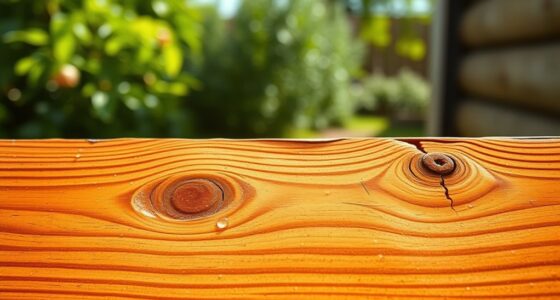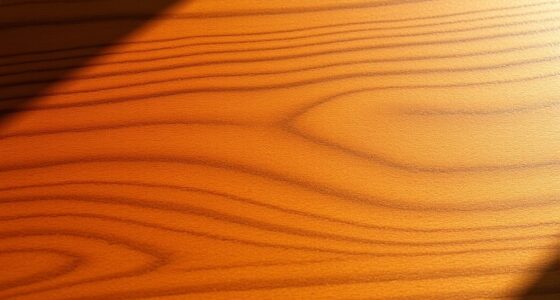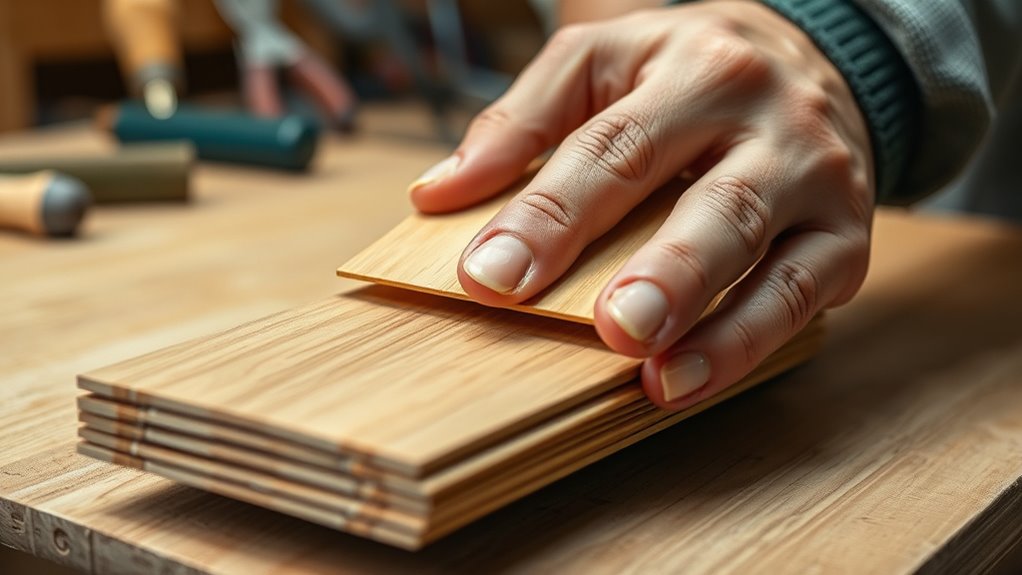

Working with laminated bamboo, or laminated grass as some call it, is a smart choice for sustainable construction. You can bond strips of bamboo with adhesives to create large, stable panels that look and feel like traditional wood, but with added strength and flexibility. It’s easy to shape, finish, and integrate into furniture or architectural features. If you explore further, you’ll discover how this eco-friendly material can transform your projects with style and durability.
Key Takeaways
- Laminated bamboo panels resemble traditional wood, offering a sustainable, eco-friendly alternative for furniture and interior applications.
- The bonding process with adhesives enhances bamboo’s strength and stability, making it suitable for high-traffic and structural uses.
- Laminated bamboo can be shaped, finished, and textured similarly to wood, allowing versatile design possibilities.
- Working with laminated bamboo requires minimal adjustments to existing woodworking techniques, facilitating seamless integration.
- Its durability, aesthetic appeal, and environmental benefits make laminated bamboo an ideal “grass as wood” material in modern design.

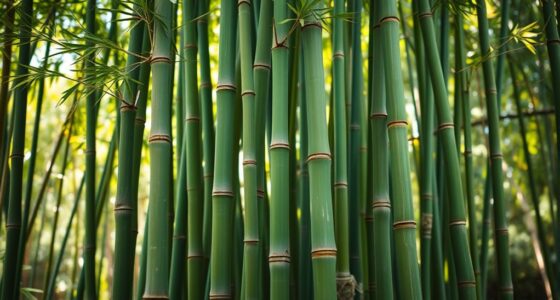
Have you ever considered harnessing bamboo’s versatility for your next project? Bamboo isn’t just a plant; it’s a highly sustainable material that’s gaining recognition in the world of design and construction. Unlike traditional wood, bamboo grows incredibly fast—some species mature in just three to five years—making it an eco-friendly choice that can help reduce your environmental footprint. When you work with bamboo, you’re tapping into a resource that renews itself quickly, which is fundamental in today’s push for sustainable materials. Besides its rapid growth, bamboo also boasts impressive strength and flexibility, comparable to some hardwoods. This combination of durability and renewability makes it an ideal candidate for a wide range of applications, from furniture to building panels.
Bamboo’s fast growth and strength make it a sustainable, versatile choice for innovative design and construction projects.
One of the most compelling ways to work with bamboo is through lamination, transforming it into a material that closely resembles wood but with added strength and stability. Laminated bamboo, or laminated grass, involves bonding strips of bamboo together using adhesives and traditional craftsmanship techniques. This process allows you to create large, flat panels that are perfect for furniture, flooring, or wall coverings. The beauty of laminated bamboo lies in its ability to be shaped and finished much like wood, giving you creative freedom while maintaining environmental responsibility. When you choose laminated bamboo, you’re not only opting for a sustainable material but also honoring traditional craftsmanship methods that have been refined over centuries, blending age-old techniques with modern innovation.
Working with laminated bamboo offers several advantages. Its uniformity and stability make it easier to work with than raw bamboo stalks, which can be unpredictable and prone to splitting. The lamination process enhances its structural integrity, making it suitable for high-traffic applications and large-scale projects. Additionally, because bamboo can be pressed and bonded into various thicknesses and textures, you can achieve a range of aesthetic effects that suit your design vision. Plus, the clean, natural look of bamboo lends a warm, organic feel to any space, making it a popular choice for eco-conscious consumers and designers seeking sustainable materials. Furthermore, the ability to mass-produce bamboo panels helps meet growing demand while reducing waste and environmental impact.
Incorporating laminated bamboo into your work doesn’t require radical changes to your existing techniques. Instead, it complements traditional craftsmanship with its adaptability and eco-friendly credentials. By choosing bamboo, you’re embracing a material that respects both nature and craftsmanship, producing beautiful, durable products that stand the test of time. Whether you’re creating furniture, interior finishes, or architectural features, working with laminated bamboo allows you to celebrate sustainability without sacrificing style or quality. It’s a practical, environmentally conscious choice that aligns with modern values and showcases your commitment to innovation rooted in tradition.
laminated bamboo panels for furniture
As an affiliate, we earn on qualifying purchases.
As an affiliate, we earn on qualifying purchases.
Frequently Asked Questions
How Does Laminated Bamboo Compare to Traditional Hardwood in Durability?
Laminated bamboo is quite durable, often comparable to traditional hardwood in many applications. Thanks to bamboo processing techniques, like lamination, it becomes stronger and more resistant to wear and moisture. When doing a hardwood comparison, you’ll find laminated bamboo tends to be eco-friendly, lightweight, and resilient, making it an excellent choice for flooring or furniture. Its durability matches many hardwoods, with the added benefit of faster renewability.
What Environmental Benefits Does Using Laminated Bamboo Provide?
Imagine you’re wielding a futuristic eco-friendly tool—laminated bamboo. Using it offers significant environmental benefits because bamboo cultivation is rapid and requires minimal water and pesticides. Plus, sustainable sourcing guarantees you’re helping conserve forests and reduce deforestation. By choosing laminated bamboo, you actively lower your carbon footprint, support renewable resources, and promote eco-conscious building practices, making your project both innovative and environmentally responsible.
Are There Specific Tools Recommended for Working With Bamboo?
You should use sharp bamboo cutting tools like a fine-tooth saw or a machete for clean cuts. For shaping and detailed work, a chisel or utility knife works well. When finishing, sand with fine-grit sandpaper to smooth the surface. Always wear safety gear and work on a stable surface. Proper tools guarantee precise bamboo cutting and a professional bamboo finishing, making your project easier and more effective.
How Should Laminated Bamboo Be Maintained Over Time?
Did you know bamboo can last over 20 years with proper care? To maintain laminated bamboo, focus on consistent bamboo preservation by cleaning it regularly with a damp cloth. Avoid harsh chemicals, and periodically apply a protective sealant to prevent moisture damage. Follow these maintenance tips to keep your bamboo looking fresh and durable, ensuring it remains an eco-friendly and stylish choice for years to come.
Can Laminated Bamboo Be Used Outdoors Without Additional Treatment?
Laminated bamboo can be used outdoors without additional treatment if it has proven weather resistance, but it’s best to consider treatment options to prolong its lifespan. Applying sealants or protective coatings enhances its resistance to moisture and UV damage. Without these treatments, exposure to rain and sun can cause degradation over time. Consequently, for maximum durability, think about treating laminated bamboo before outdoor use.
bamboo flooring planks
As an affiliate, we earn on qualifying purchases.
As an affiliate, we earn on qualifying purchases.
Conclusion
By now, you see how versatile and sustainable bamboo truly is. Its strength, flexibility, and eco-friendly nature make it a remarkable alternative to traditional wood. As you consider your next project, why not embrace this laminated grass and access its full potential? With a little creativity and care, bamboo can transform your ideas into beautiful, durable creations. Isn’t it time you explored the endless possibilities of working with this incredible natural resource?
bamboo wall covering sheets
As an affiliate, we earn on qualifying purchases.
As an affiliate, we earn on qualifying purchases.
bamboo furniture making kit
As an affiliate, we earn on qualifying purchases.
As an affiliate, we earn on qualifying purchases.